Saipem Awarded New Contracts for Dangote Fertilizer Projects in Nigeria and Ethiopia
Wedoany.com Report-Dec.2, Saipem S.p.A., based in San Donato Milanese, Italy, has secured two major contracts from Dangote Fertilizer, Africa's largest fertilizer producer, for the licensing of proprietary technology and provision of engineering services. The agreements cover six new urea production units – four located in Nigeria and two in Ethiopia.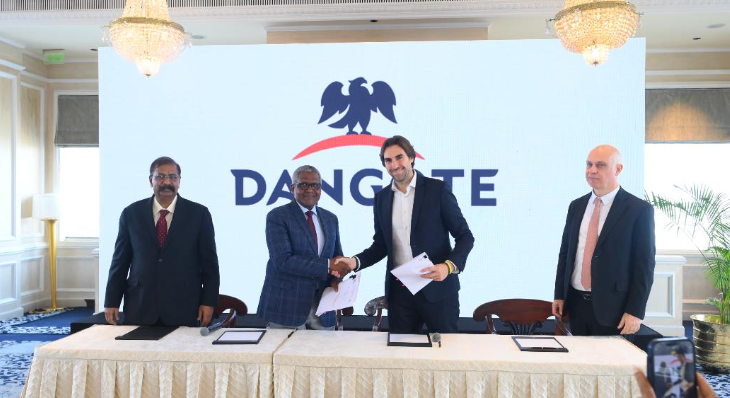
The contracts include technology licensing for Saipem's patented Snamprogetti™ Urea process, along with comprehensive basic engineering and design packages required for plant construction. Each of the six units will have a capacity of 4,235 metric tons per day, representing the highest single-line urea production capacity ever implemented globally.
These facilities form part of Dangote Fertilizer's ambitious expansion programme, which involves building six fully integrated ammonia-urea complexes with a combined urea output exceeding 25,000 metric tons per day upon completion.
Additionally, Saipem and Dangote Fertilizer have signed a Letter of Intent granting Saipem the Front-End Engineering Design (FEED) services for a new complex in Ethiopia. Developed in collaboration with Ethiopian Investment Holdings, the Gode project in the Somali Region will have an annual urea production capacity of 3 million tons.
The awards reinforce Saipem's established position in the global fertilizer industry and expand its footprint across Africa. The Snamprogetti™ Urea technology, recognised for high efficiency and reduced environmental impact, is currently deployed in over 140 operating plants worldwide.
These contracts complement recent agreements announced by Dangote Fertilizer with Honeywell and thyssenkrupp Uhde for related aspects of the same expansion initiative. Together, the projects will significantly increase Africa's domestic fertilizer production capacity, supporting agricultural development and reducing reliance on imported products.
Saipem highlighted that the new units will incorporate advanced process design features that optimise energy consumption and minimise emissions, setting new benchmarks for large-scale urea manufacturing. Construction timelines and detailed project execution phases will be defined following completion of the ongoing engineering studies.
Related Products

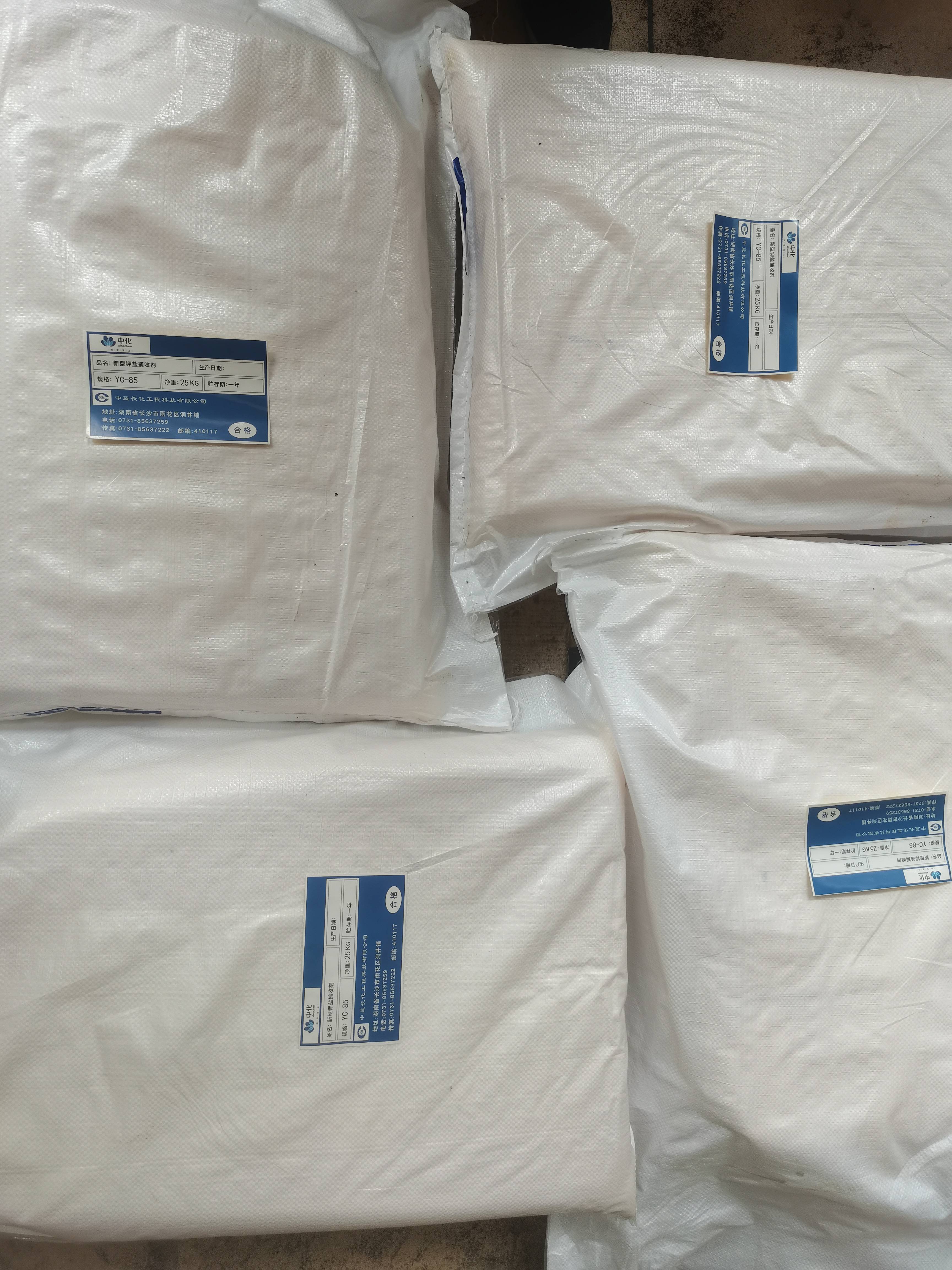
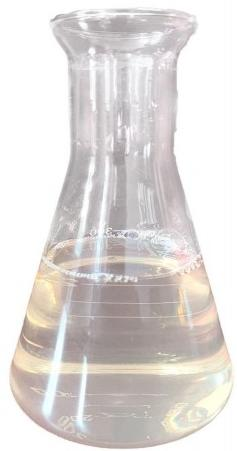
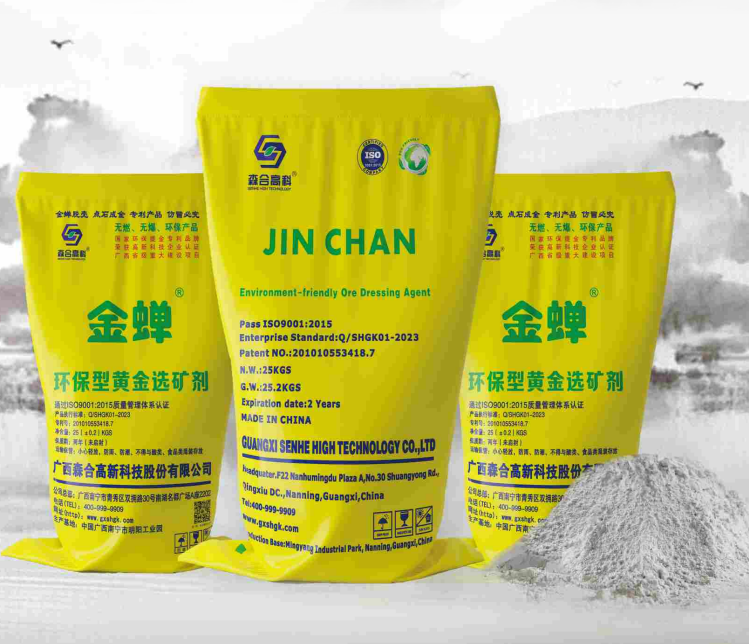
New Environmentally Friendly Green Potassium Salt Collector
Chonfar Engineering and Technology Co., Ltd.
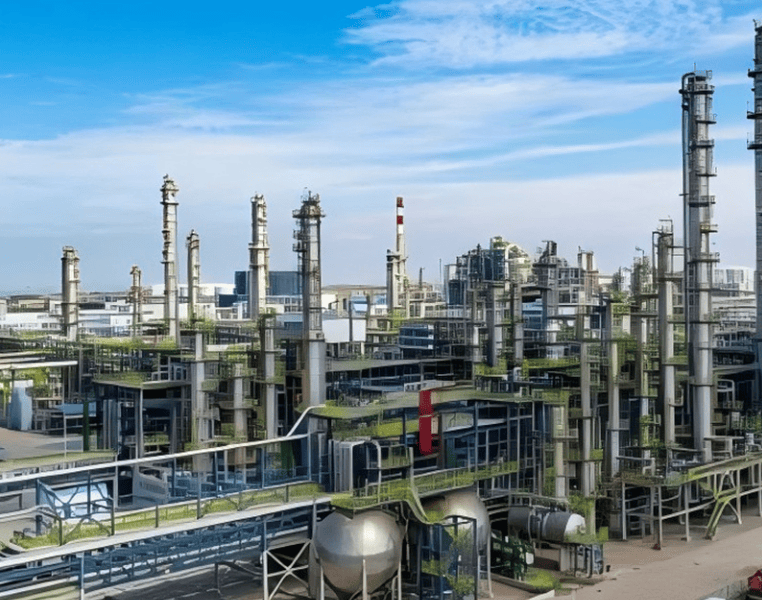
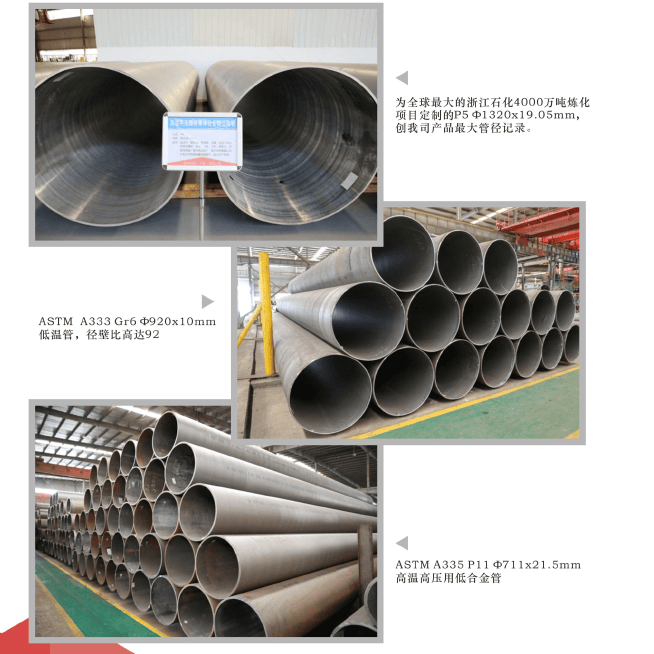
Steel Pipes for Refining and Coal Chemical Industries
YANGZHOU LONTRIN ENERGY EQUIPMENT CO.,LTD.
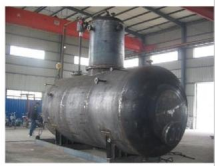
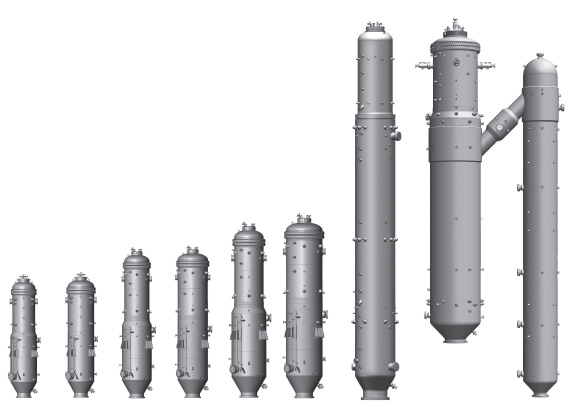
Gasification Furnace Series: Freely Combinable Aerospace Furnace
CHANGZHENG ENGLINEERING CO., LTD.