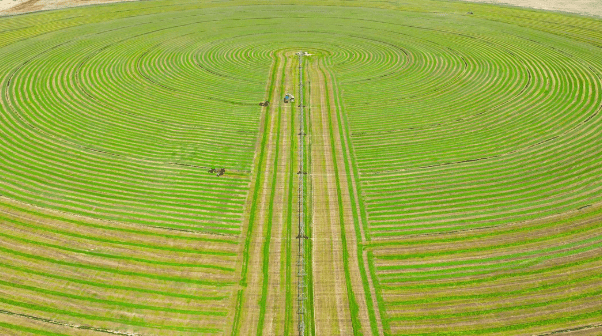
Japan Feed Millers Turning to Corn
Wedoany.com Report-Dec.10, Japan's feed manufacturers are increasing the use of corn in animal rations due to elevated rice prices, according to a recent report by the United States Department of Agriculture's Foreign Agricultural Service (FAS).
The FAS projects Japan's corn imports for the 2025-26 marketing year to rise 2.2 percent year-on-year to 15.8 million tonnes, the highest volume in six years. Lower international corn prices are supporting the shift toward greater corn inclusion in feed formulations.
In contrast, stronger domestic rice production is expected to reduce rice imports during the same period.
"Japan's rice market has faced considerable disruption following the summer 2024 shortage, which led to a sharp and persistent increase in prices through 2025," the FAS stated. "These sustained high prices have prompted farmers to expand production and led retailers and the foodservice industry to increase rice imports beyond the volumes allotted in the state-traded system. Strong demand for affordable rice drove private imports up to 88,706 tonnes during the first 11 months of MY 2024-25, representing 14% of the total imports."
Based on data from Japan's Ministry of Agriculture, Forestry and Fisheries (MAFF), the FAS forecasts a robust 2025-26 rice harvest, supported by expanded planted area and improved yields. Table rice output is expected to increase 10 percent to 6.8 million tonnes, while rice used for animal feed is projected to fall by half to 240,000 tonnes.
Total rice consumption in marketing year 2024-25 is estimated at 8.1 million tonnes, down 1.8 percent from the previous year. Table rice demand remains relatively stable, but overall consumption is declining, largely due to a 30 percent reduction in feed-use rice during the first ten months of the current marketing year.
The ongoing substitution of corn for rice in livestock feed reflects continued efforts by Japan's feed sector to manage input costs while maintaining nutritional standards. With domestic rice supply recovering and international corn remaining competitively priced, the FAS anticipates these import and consumption patterns will persist into the 2025-26 marketing year, helping stabilize feed costs for Japanese producers.
Related Products




MH220E Two-Row Hybrid Packaged Cotton Picker
CHINA RAILWAY CONSTRUCTION HEAVY NDUSTRY XINJIANG CO., LTD.

Industrial and Commercial Point-Type Gas Detector
Jinan Benan Technology Development Co., Ltd.
4HS-8 High-efficiency Peanut Inverted-laying Harvester
Hebei Yongfa Hongtian Agricultural Machinery Manufacturing Co., Ltd.
714CD Series C-Band Weather Radar
Chengdu Zhongdian Jinjiang Information Industry Co., Ltd.