EU to Fast-Track Power Grid Projects in Race to Lower Energy Prices
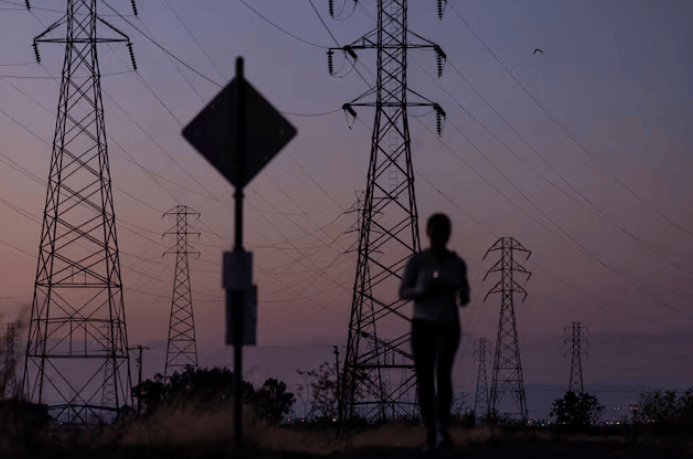
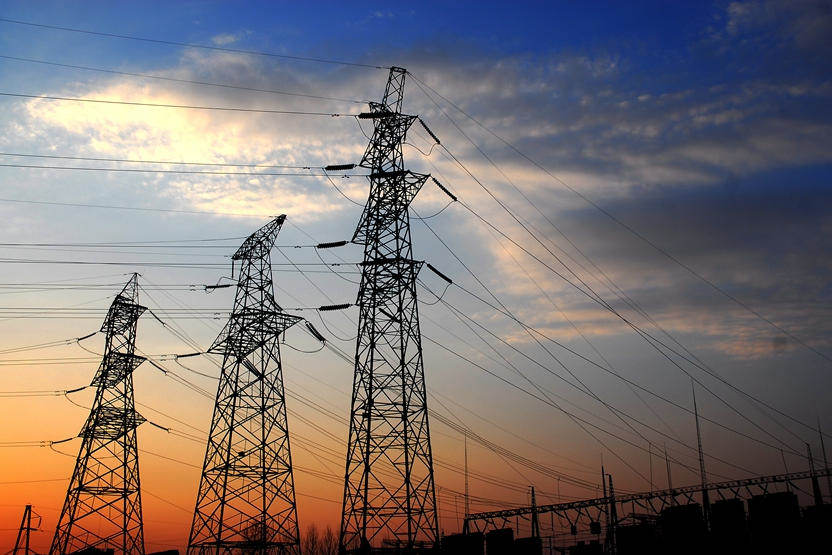
Wedoany.com Report-Dec.11, The European Union has proposed measures to speed up the approval of electricity grid projects and introduce coordinated EU-wide planning for cross-border infrastructure, aiming to reduce high energy costs that affect the competitiveness of European industries.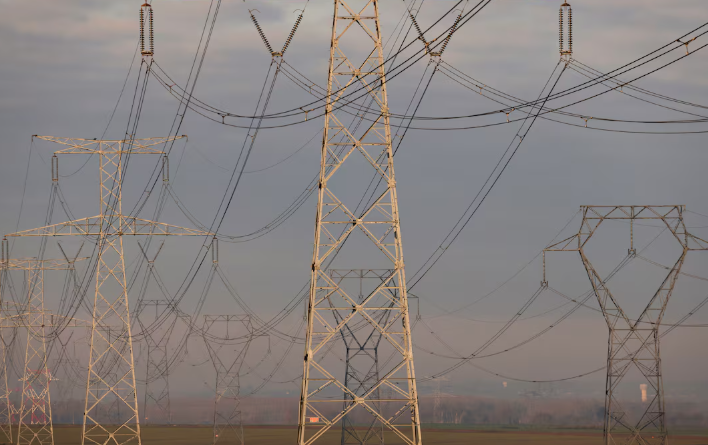
Energy prices paid by industrial users in Europe remain more than twice as high as those in the United States and China, prompting concerns from manufacturers about investment attractiveness in the region.
On Wednesday, the European Commission published plans to limit permitting time for grid projects to a maximum of two years, compared with up to ten years under existing procedures. If national authorities miss the deadline, permits would be granted automatically.
Hitachi Energy, a major supplier of power transmission equipment, supported the initiative but emphasized the urgency of implementation. "Europe has a chance, but it needs to act fast ... because once those industries have positioned themselves in other regions, then it's too late," Gerhard Salge, the company's chief technology officer, told Reuters.
The proposals also enable the EU to launch calls for cross-border interconnection projects when gaps are identified. EU Energy Commissioner Dan Jorgensen highlighted the current limitations: "Imagine trying to piece together a puzzle without looking at the box with the picture. Well, to some extent, that is what we're actually doing right now with Europe's energy infrastructure."
Outdated networks frequently force operators to curtail wind and solar generation to prevent overloads, leading to higher overall electricity costs. The Commission estimates that 1.2 trillion euros in grid investments will be required by 2040, with 30 billion euros allocated from the 2028-2034 EU budget for cross-border initiatives.
Additional measures address security considerations following recent damage to undersea energy infrastructure. EU-funded cross-border projects will undergo mandatory physical and cybersecurity risk assessments, and ownership structures will be reviewed to identify any potential concerns related to third-country involvement.
Environmental organizations have raised concerns about provisions that would remove certain environmental impact assessment requirements for grid projects to accelerate construction timelines.
The proposals now proceed to negotiation and approval by EU member states and the European Parliament. The measures apply exclusively to electricity transmission infrastructure development within the European Union and do not affect energy imports, exports, or domestic consumption patterns.
Related Products
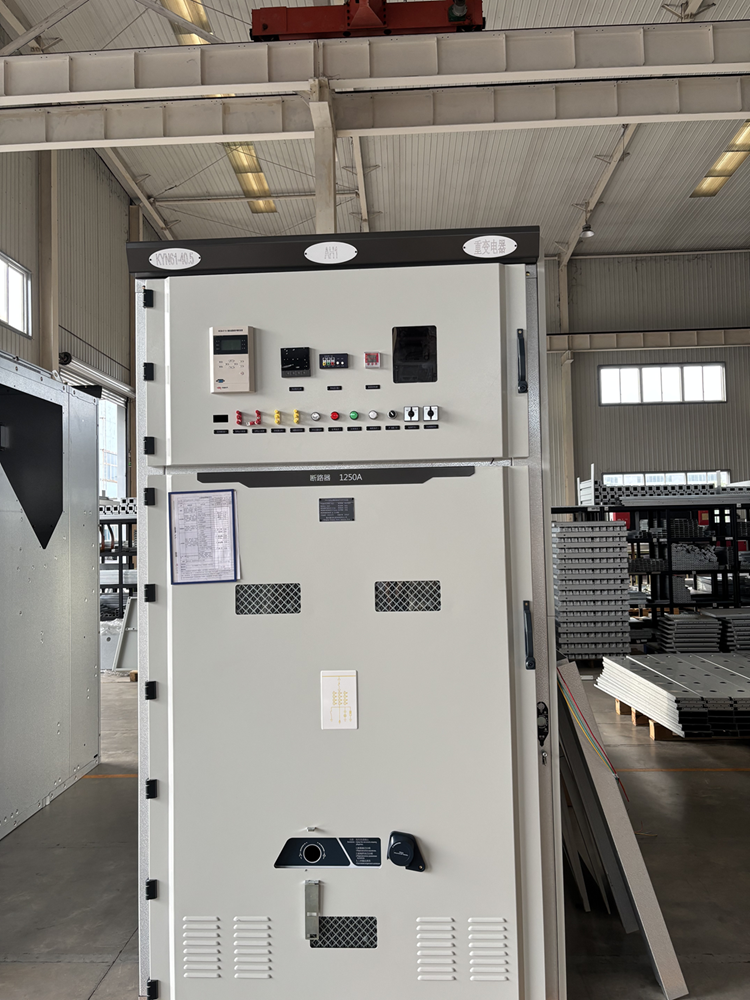

KYN61-40.5 Indoor AC Metal-clad Removable Switchgear
Chongqing Transformer Co., Ltd.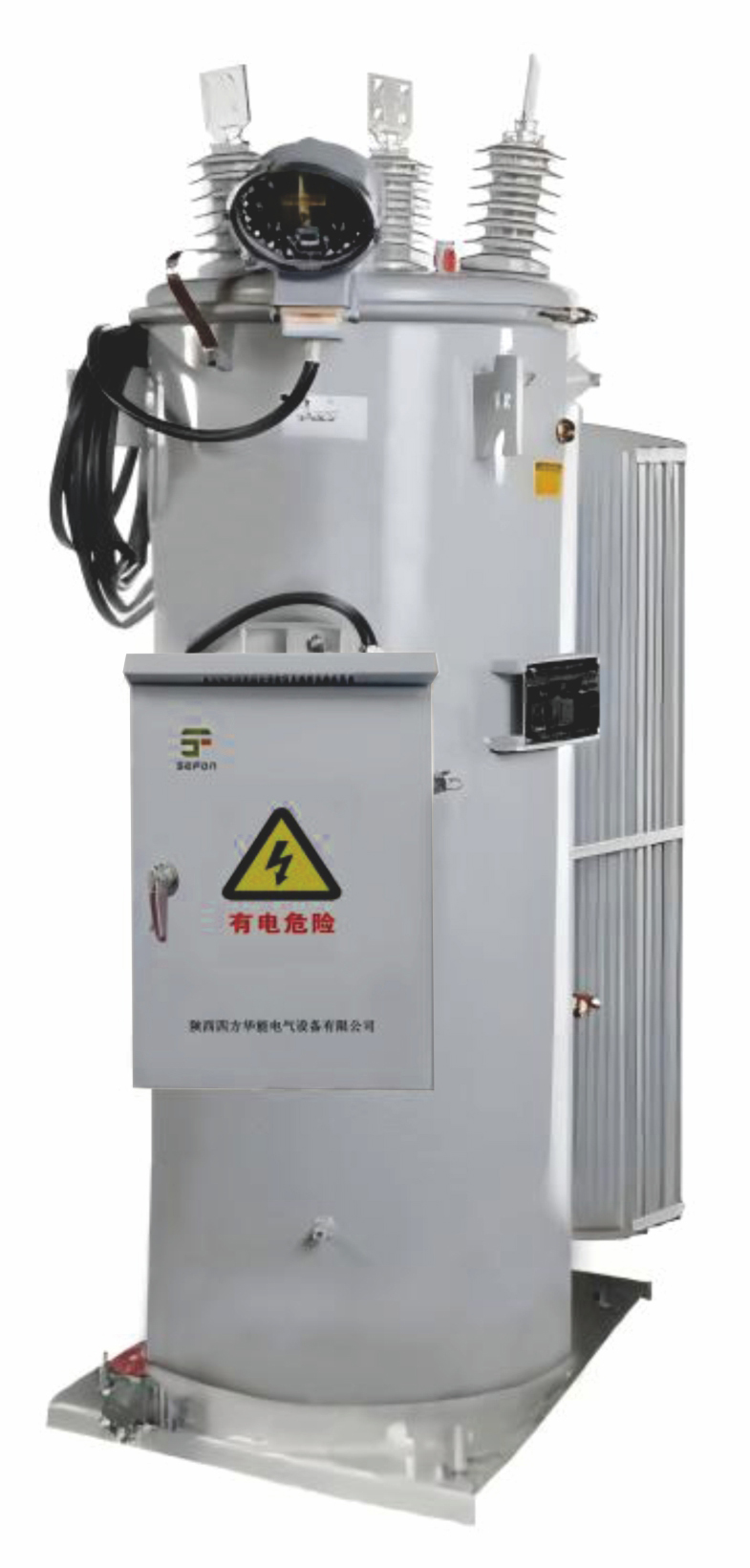
Single-Phase Automatic Voltage Regulator(AVR)
Shaanxi Sefon Electrical Equipment Co.,Ltd.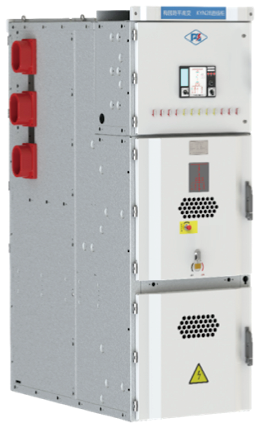
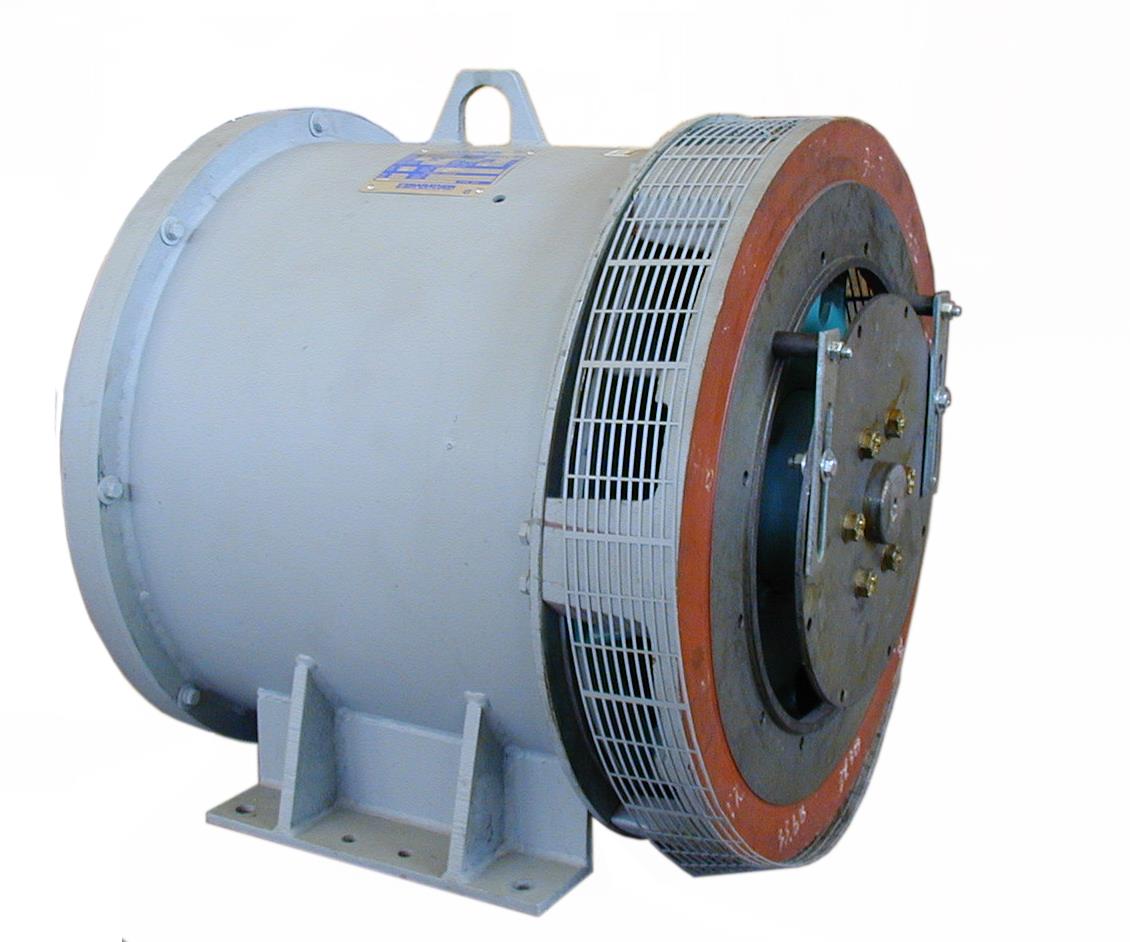
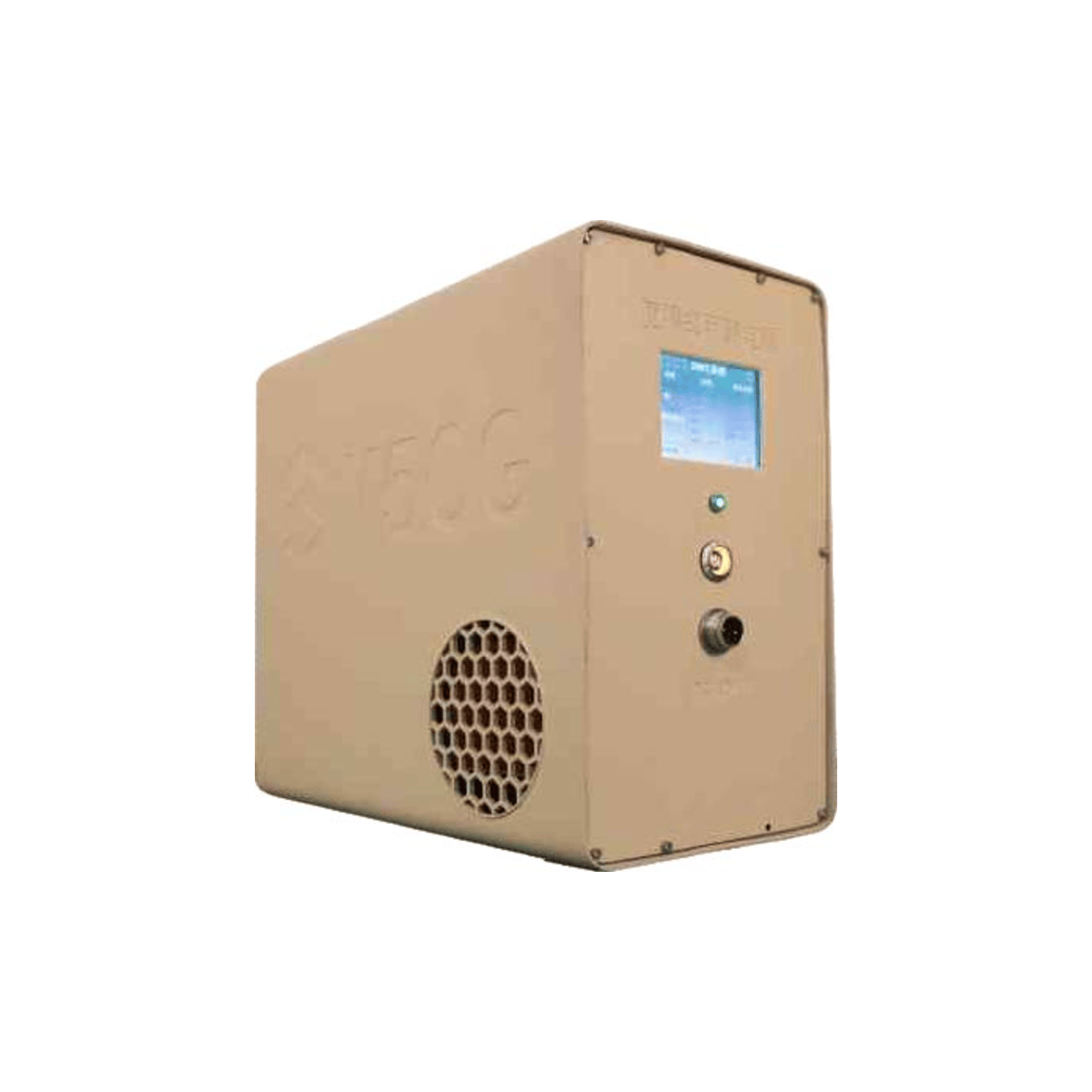
SFC-60 Individual Portable Power Supply, High Specific Energy Methanol Portable Power Supply
Automation Research Institute Co., Ltd. of China South Industries Group Corporation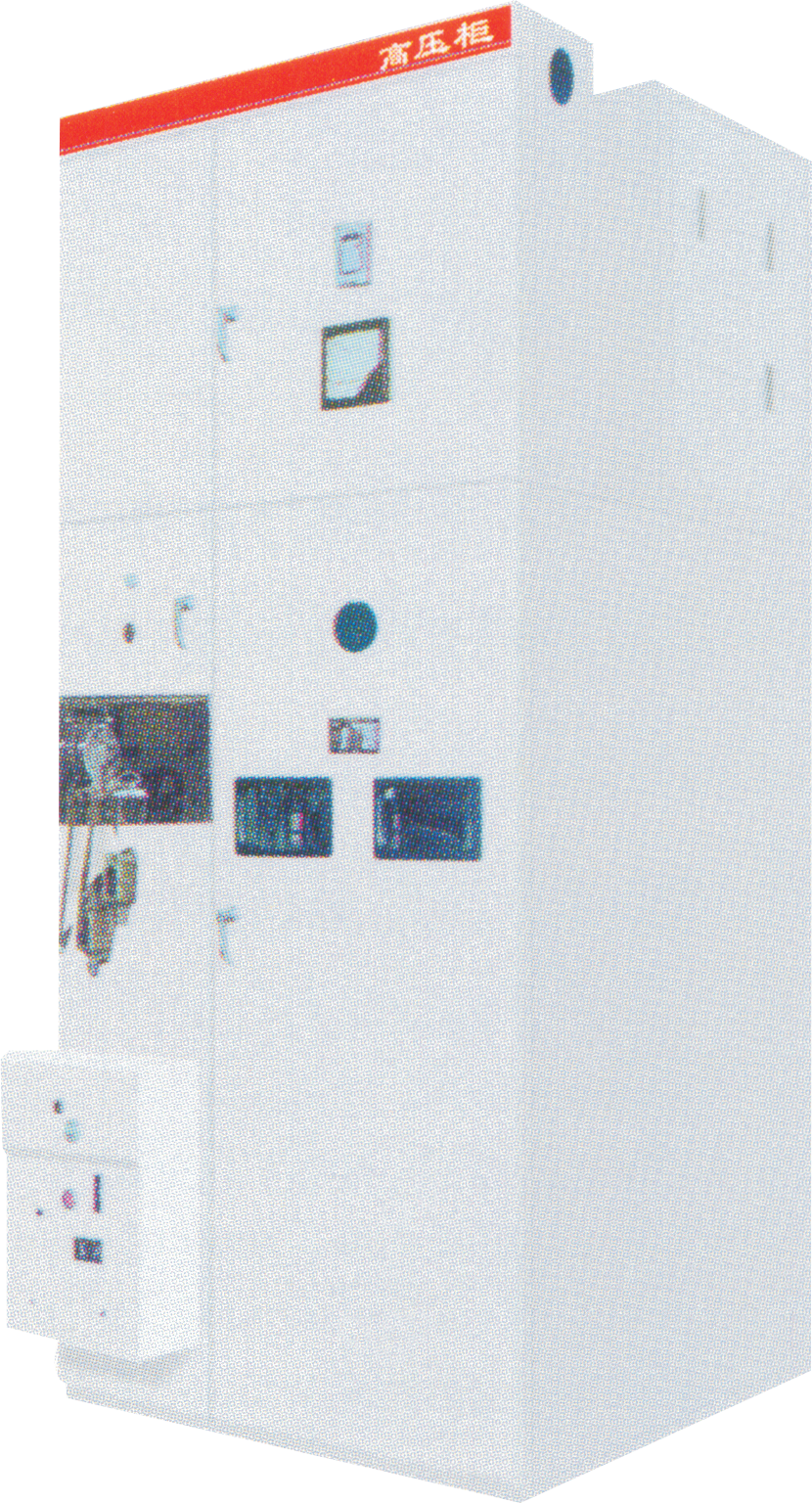
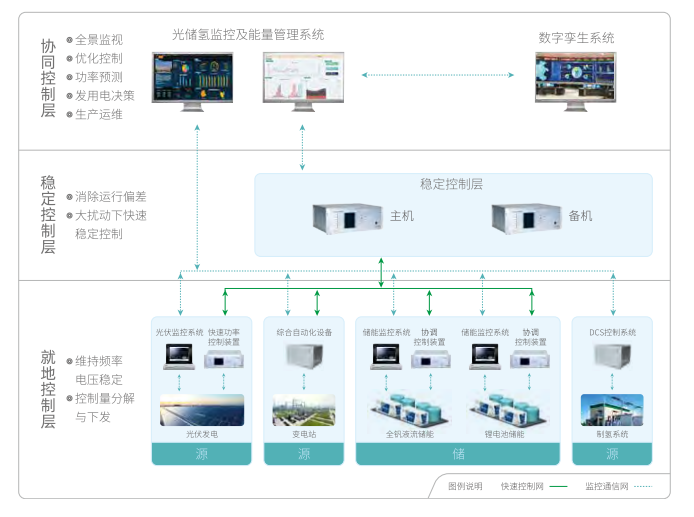
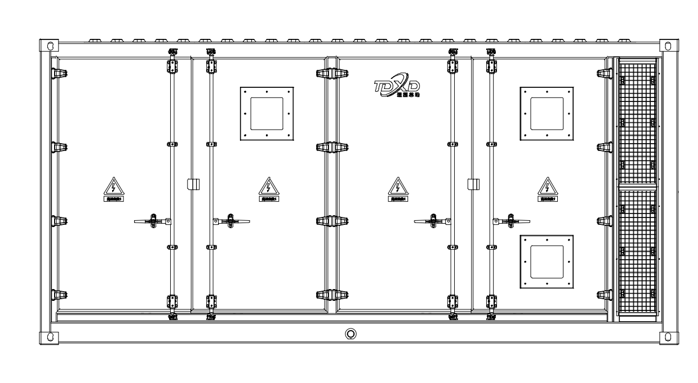
5012kWh DC Energy Storage System TD-EES-5012kWh
Suzhou Tongding Xindong Energy Storage Technology Co., Ltd.
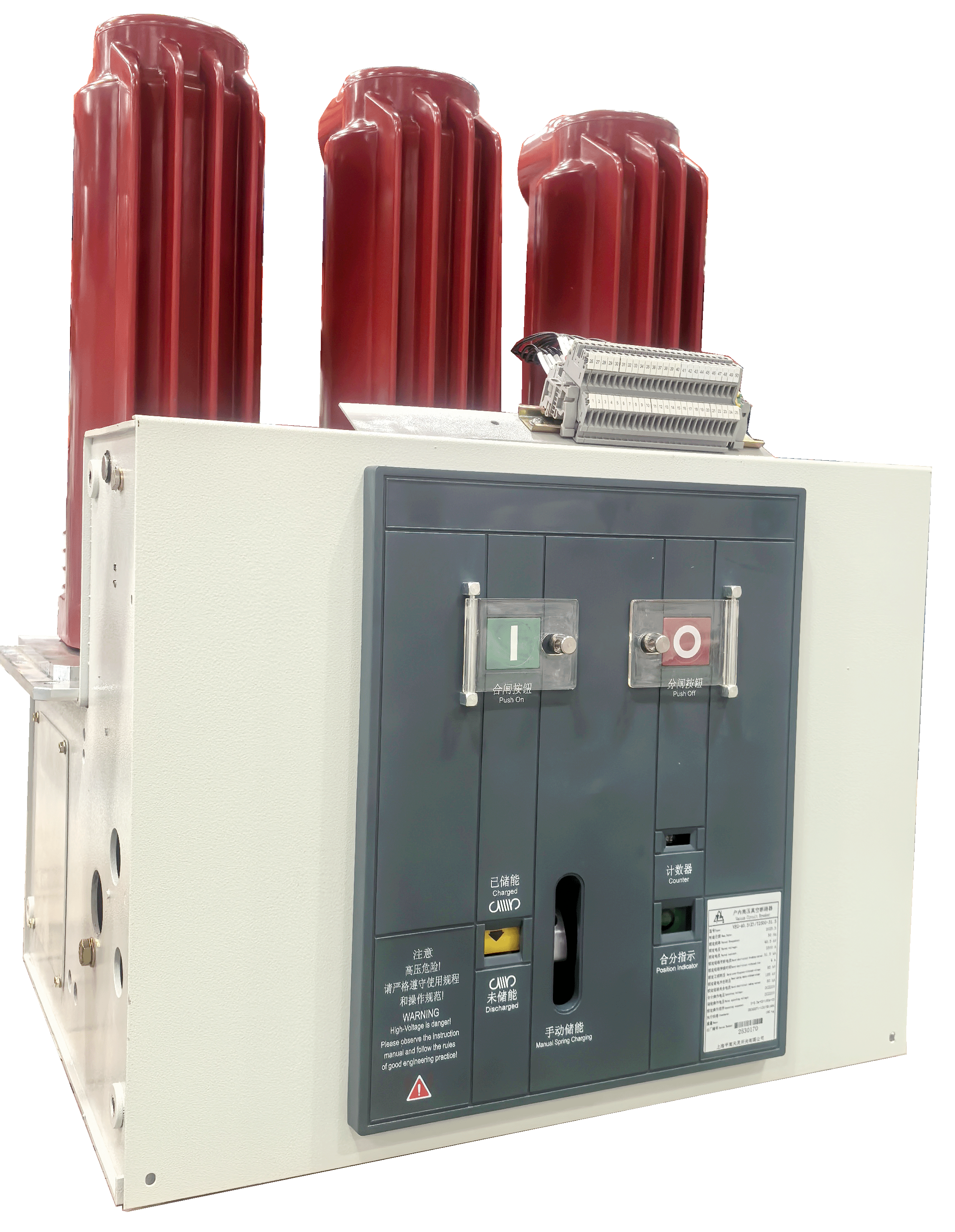
VEG-12/24/40.5 Series Vacuum Circuit Breaker
SHANGHAI PINGGAO TIANLING SWITCHGEAR CO., LTD.