China’s Soybean Imports Hit Highest November Since 2021
Wedoany.com Report-Dec.11, China's soybean imports in November 2025 reached their highest level for that month since 2021, according to data from the General Administration of Customs released on Monday. The world's largest importer brought in 8.11 million metric tons, marking a 13.4% increase from the 7.15 million tons recorded in November 2024.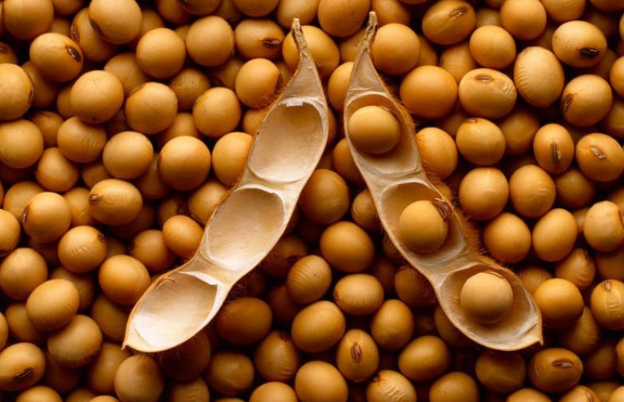
For the first 11 months of 2025, total soybean imports climbed 6.9% year-over-year to 103.79 million tons. This figure reflects a sequential decline of 14.5% from October's volume, as shipments from key suppliers adjusted following earlier peaks.
The elevated arrivals stem from robust procurement from South American origins, particularly Brazil, combined with renewed shipments from the United States after recent bilateral discussions. Imports hit monthly records from May to October this year, driven by proactive buying to ensure supply continuity amid fluctuating global conditions.
"November soybean imports came in slightly below our expectations," said Rosa Wang, an analyst at Shanghai-based agro-consultancy JCI. "Looking ahead to (full year) 2025, we expect China's soybean imports to reach a record high – potentially exceeding 110 million tons – driven by strong commercial buying from Brazil as well as arrivals of US soybeans."
Current stockpiles of soybeans and soybean meal at processing facilities remain elevated, exerting downward pressure on domestic prices, according to industry observers. Wang Wenshen, an analyst at Sublime China Information, noted: "Soybean and soybean-meal inventories at domestic crushers are currently high, adding selling pressure."
Projections indicate December imports could total 8.6 million tons, pushing the full-year figure to approximately 112 million tons and surpassing prior benchmarks. State-owned grain trader COFCO has spearheaded recent U.S. purchases, securing about 2.7 million tons since late October, based on U.S. Department of Agriculture records.
These volumes follow leader-level talks in South Korea during late October, which facilitated smoother access to diverse supply sources. While specific schedules for future arrivals have not been publicly detailed, the uptick supports steady processing for animal feed and oil production.
China relies entirely on imports for soybeans, with annual demand driven by the livestock sector. The 2025 total would represent a notable expansion, aided by favorable harvest outcomes in Brazil and stable logistics from multiple regions. This approach enhances supply diversification without impacting domestic planting or consumption of alternative protein sources.
The data underscores ongoing efforts to maintain reliable availability for the feed industry, which consumes the majority of imported volumes. As processors manage high inventories, market participants anticipate balanced flows into early 2026, aligning with projected crush volumes exceeding 108 million tons for the marketing year. Overall, the import trends reflect proactive sourcing strategies that prioritize volume stability and cost efficiency in a dynamic global commodity landscape.
Related Products


Industrial and Commercial Point-Type Gas Detector
Jinan Benan Technology Development Co., Ltd.
714CD Series C-Band Weather Radar
Chengdu Zhongdian Jinjiang Information Industry Co., Ltd.
4HS-8 High-efficiency Peanut Inverted-laying Harvester
Hebei Yongfa Hongtian Agricultural Machinery Manufacturing Co., Ltd.