Canada Unveils New Rules to Lower Oil and Gas Methane Emissions
Wedoany.com Report-Dec.17, Canada released new regulations on December 16, 2025, designed to significantly lower methane emissions from its oil and gas industry.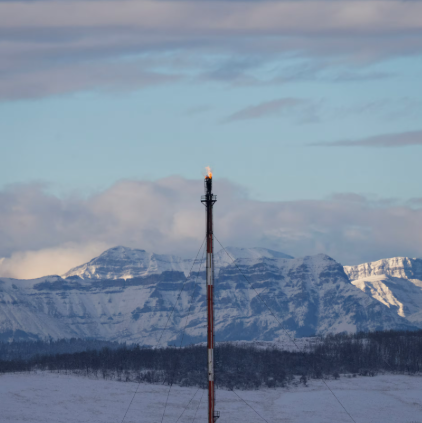
These measures set a course for Canada, the world's fourth-largest oil producer, to achieve a 75% reduction in methane emissions compared to 2014 levels by 2035.
The rules build on prior commitments and provide a framework that extends the timeline slightly from earlier proposals developed under former Prime Minister Justin Trudeau.
Previous draft regulations under Trudeau aimed for a 75% cut by 2030 but were not implemented, as industry representatives noted challenges in meeting that deadline.
Although methane persists in the atmosphere for a shorter time than carbon dioxide, it has approximately 80 times the warming effect over a 20-year span.
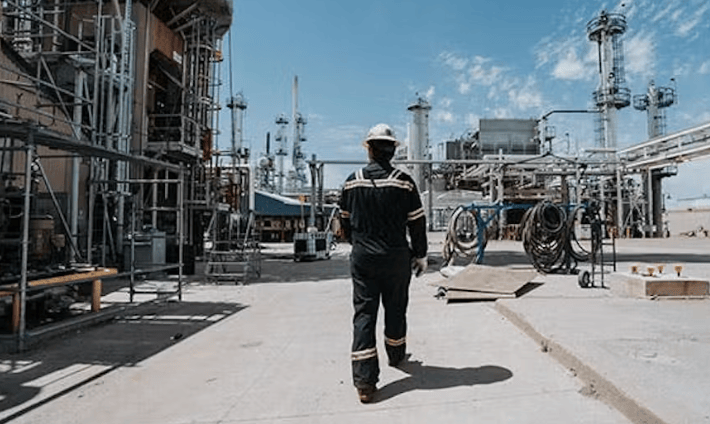
Government data indicate that oil and gas operations account for roughly half of Canada's overall methane emissions. Methane, the primary element in natural gas, enters the atmosphere through processes like venting and flaring during production, as well as unintended leaks from equipment and infrastructure.
Effective from 2028, the updated regulations restrict venting in most cases and mandate regular inspections to detect and fix leaks in facilities.
Companies can choose customized methods to manage emissions, provided they adhere to specified methane intensity limits.
Overall greenhouse gas releases from the oil and gas sector have risen alongside expanded output, and projections suggest Canada may not fully meet its broader goal of reducing emissions 40% to 45% below 2005 levels by 2030.
In the area of methane specifically, earlier requirements for routine equipment checks and repairs have positioned Canada to fulfill its prior target of a 40% to 45% decrease from 2012 levels by the close of 2025.
According to official estimates, the new measures are projected to yield reductions equivalent to 304 million tonnes of carbon dioxide between 2025 and 2035, with only a minimal 0.2% impact on oil and gas output during that period.
This initiative reflects ongoing efforts to address a key source of potent greenhouse gases while maintaining operational viability in a major economic sector. By offering flexible compliance options, the regulations seek to balance environmental objectives with practical implementation for producers.
The approach underscores the role of targeted policies in managing emissions from established industries, supporting advancements in detection and control technologies.
As global attention turns to methane management, these steps align with international trends among oil and gas producing nations pursuing similar reductions.
Related Products


Industrial and Commercial Point-Type Gas Detector
Jinan Benan Technology Development Co., Ltd.

CAP1400 main feedwater flow nozzle flowmeter.
Jiangsu Hongda Instrument Technology Co., LTD.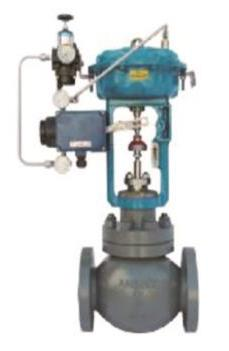
Quick-Change Single-Seat Control Valve / Quick-Change High-Pressure Single-Seat Control Valve
Beijing Consen Automation Technology Co., Ltd.