Volaris-Viva Merger Eyes Lower Fleet Costs for New Airline Group
Wedoany.com Report-Dec.20, Mexican budget airlines Volaris (VOLARA.MX) and Viva Aerobus announced on December 19, 2025, that they are advancing toward a merger designed to strengthen their position in negotiating key expenses, particularly aircraft acquisition and leasing, according to executives from both companies.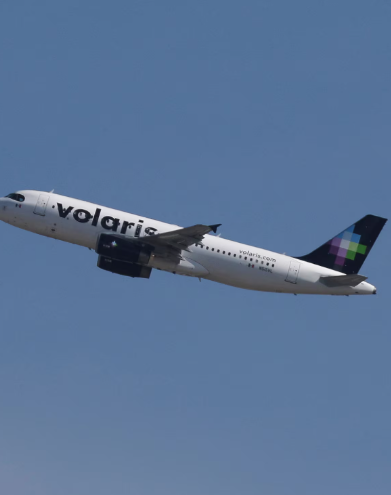
The potential combination follows reports the previous day indicating the carriers were close to finalizing terms, which both subsequently confirmed.
A primary benefit centers on lowering aircraft ownership costs, the largest operational expenditure for each airline, surpassing even fuel expenses. "A significant opportunity lies in reducing aircraft ownership costs, which represent the largest expense - exceeding even fuel," Viva Aerobus CEO Juan Carlos Zuazua stated during an analyst conference call. "Notably, major global carriers operate with ownership costs up to 60% lower than their Latin American counterparts, including Viva and Volaris," he added.
Both operators utilize exclusively Airbus (AIR.PA) aircraft and serve overlapping routes, creating operational synergies. Following completion, the airlines will maintain separate brands while forming a combined entity named Grupo Mas Vuelos, positioned to become Mexico's leading domestic carrier by passenger volume.
Investor response proved strongly positive, with Volaris shares rising nearly 17% in trading, marking the stock's strongest single-day performance on record.
The transaction structures as a merger of equals. Volaris CEO Enrique Beltranena noted that his company accounts for approximately 60% of the combined enterprise value, compared to Viva Aerobus' 40%, though differences in net debt levels bring equity contributions closer together. "So when you bridge from enterprise value to equity value, the relative equity contributions become much closer," he explained.
Analysts focused questions on the regulatory approval process required for the deal. Through October 2025, the two carriers together handled 69% of domestic passengers in Mexico, well ahead of the next largest operator, Aeromexico, which may raise concerns regarding market concentration.
"We're confident in the merits of this transaction," Beltranena responded. "(We) prefer right now not to speculate on the results or the potential outcomes, and conditions or remedies" stipulated by the regulator.
Earlier in 2025, Mexico restructured its competition oversight framework by dissolving the independent regulator Cofece and transferring authority to a new body under the economy ministry.
This proposed consolidation reflects efforts by both airlines to enhance efficiency and competitiveness within the Mexican aviation sector through greater scale in fleet management and procurement. The outcome will depend on successful navigation of the approval process while preserving consumer choice and market dynamics.
Related Products




ERW Welded Pipe (Black Pipe and Hot-dip Galvanized Steel Pipe)
Handan Zhengda Steel Pipe Co., Ltd.
Pantograph-Catenary Comprehensive Detection Device (1C)
CHENGDU TANGYUAN ELECTRIC CO., LTD.
JiuTian OneSky Pilot—Intelligent Management And Service Platform
China Times Prospect Science & Technology Co., Ltd.



CLW5180TXSD6 Dongfeng Tianjin Washing and Sweeping Truck
ChengLi Special Automobile Co., Ltd.