US Space Development Agency Places $3.5 Billion Order for 72 Satellites
Wedoany.com Report-Dec.20, The Space Development Agency (SDA), an organization within the U.S. Space Force, announced on December 20, 2025, that it has concluded contracts worth approximately $3.5 billion with four companies to produce a total of 72 satellites.
The agreements were awarded to Lockheed Martin (LMT.N), L3Harris Technologies (LHX.N), Northrop Grumman (NOC.N), and Rocket Lab USA (RKLB.O). Each contractor will build 18 satellites under fixed-price terms. These infrared sensor satellites are designed to support missile warning, tracking, and defense operations, with planned launches into low-Earth orbit beginning in 2029.
"The addition of these satellites will achieve near-continuous global coverage for missile warning and tracking, along with payloads capable of generating fire control quality tracks for missile defense," said Acting Director Gurpartap Sandhoo.
These satellites constitute Tranche 3 of the Proliferated Warfighter Space Architecture program. The initiative follows a schedule of introducing new satellite generations approximately every two years to incorporate the latest technological improvements and maintain system performance.
Development of earlier phases continues as planned. The first satellite from Tranche 1 was launched in September 2025 using a SpaceX Falcon 9 rocket from Vandenberg Space Force Base in California. Tranche 1 includes 154 operational satellites in total and is expected to reach initial operational capability in 2027.
The current contracts represent an increase from original projections for this phase, allowing for additional units to meet operational requirements. The awards utilize flexible acquisition approaches to support efficient design, production, and deployment processes.
This expansion strengthens the overall architecture by distributing capabilities across multiple providers and enhancing resilience through a larger constellation in low-Earth orbit. The layered system facilitates rapid data transmission and improved sensing for various mission needs.
Industry observers note that these steps contribute to ongoing advancements in space-based monitoring technologies, ensuring sustained progress in system reliability and coverage.
Related Products


China - Alashankou/Khorgos - Europe Full Range Transportation (Mala/Hamburg/Duisburg/Budapest, etc.)
Shenzhen Neptune Logistics Co., Ltd.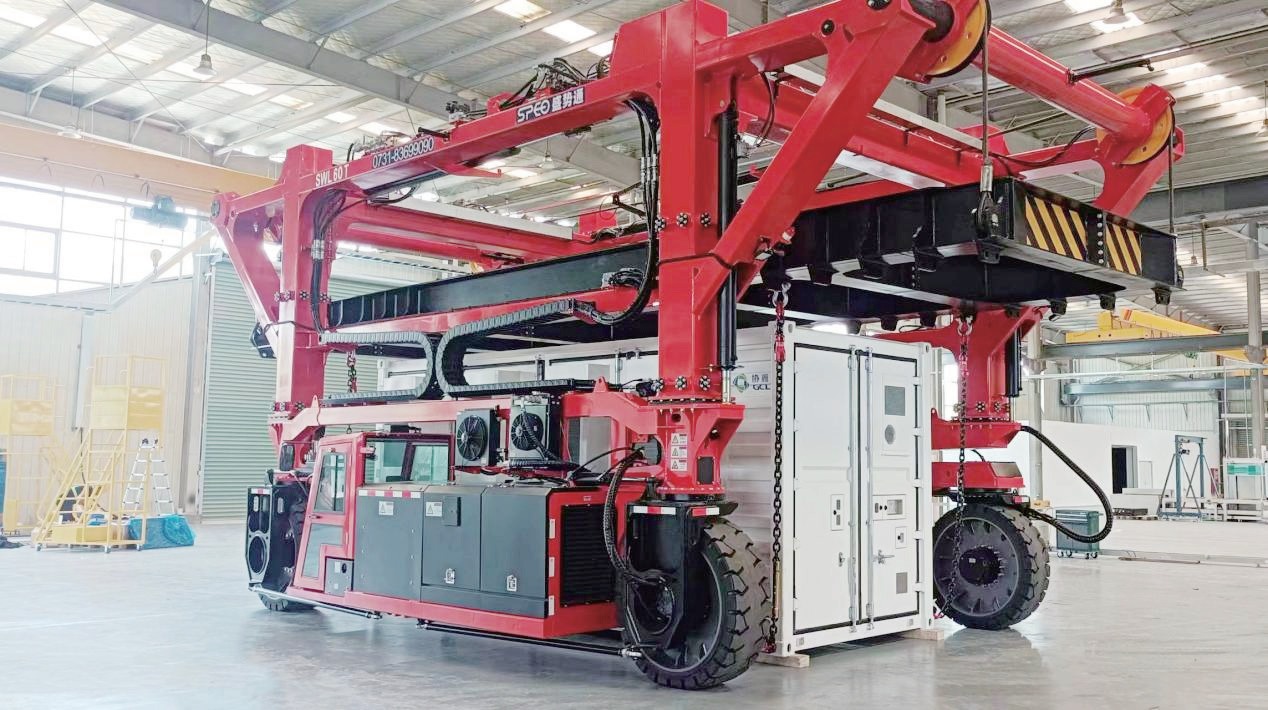
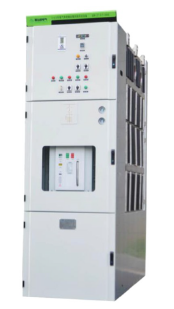
GSR6-27.5kV SF6 Free Gas-insulated Metal-enclosed Switchgear
Zhejiang Juhonkia Intelligent Electric Co., Ltd.

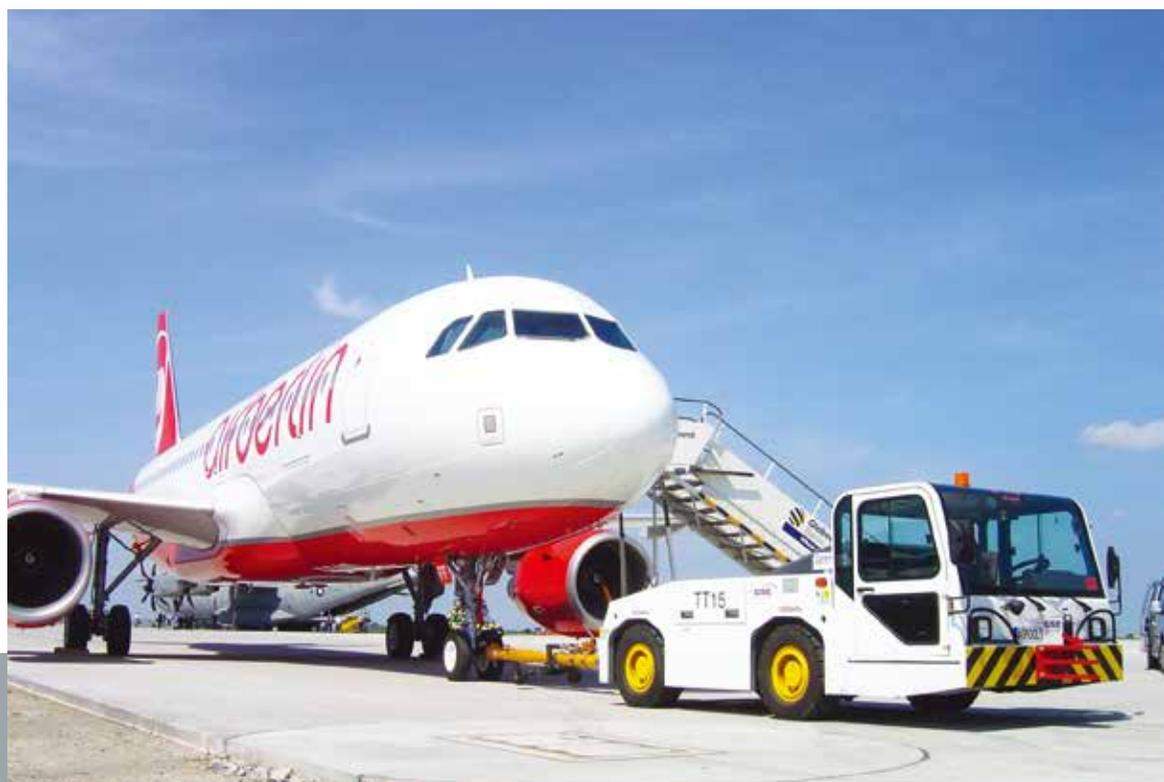
WGQY Series Aircraft Tow Tractor-WGQY15, WGQY27
Weihai Guangtai Airport Equipment Co., Ltd.
NTE150 Electric Drive Mining Dump Truck
Inner Mongolia North Heavy Industries Group Co., Ltd.

JiuTian OneSky Pilot—Intelligent Management And Service Platform
China Times Prospect Science & Technology Co., Ltd.