China's Fuel Oil Imports and Exports Both Rise Month-on-Month in November; High-Sulfur Fuel Oil Spread Widens
Data released by China's General Administration of Customs on Saturday showed that China's fuel oil imports in November increased by 15% month-on-month, reaching a total of 2.15 million metric tons, equivalent to approximately 455,000 barrels per day. The data indicates that as the high-sulfur fuel oil crack spread weakened in November, import volumes rebounded. Data from the London Stock Exchange Group shows that the Asian 380-cent high-sulfur fuel oil crack spread fell to its lowest level in over a year, with the spread against Brent crude futures nearing $8 per barrel.
During the same period, customs data showed that China's fuel oil exports in November rose by 29% month-on-month, reaching 1.58 million metric tons, most of which were used for low-sulfur marine fuel. Market analysis pointed out that in November, the premium for low-sulfur marine fuel at China's major bunkering port, Zhoushan, remained over $10 per ton higher than the price of similar fuel in Singapore.
The export data primarily reflects the sales of low-sulfur fuel oil in China's coastal regions, while fuel oil imports include general trade purchases and imports entering bonded warehouses. In the first 11 months of this year, fuel oil imports and exports have shown fluctuations. Recently, influenced by changes in international market spreads and domestic demand, import volumes saw a significant month-on-month increase in November.
Related Products




Steel Pipes for Refining and Coal Chemical Industries
YANGZHOU LONTRIN ENERGY EQUIPMENT CO.,LTD.

Bidirectional Metal Hard Sealed Seawater Butterfly Valve
Henan Quanshun Flow Control Science & Technology Co., Ltd.
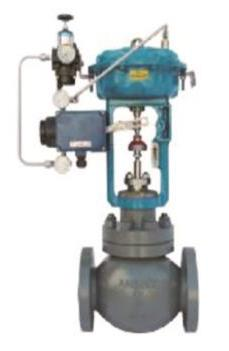
Quick-Change Single-Seat Control Valve / Quick-Change High-Pressure Single-Seat Control Valve
Beijing Consen Automation Technology Co., Ltd.