Canadian Potash Exports Face Infrastructure and Regulatory Challenges
Wedoany.com Report on Feb 7th, The Canadian potash industry is facing challenges from infrastructure bottlenecks and regulatory hurdles. As production is concentrated in the landlocked province of Saskatchewan, potash products must be transported by rail to ports for sale on the international market. However, existing rail networks and coastal gateways have capacity limitations that threaten the industry's long-term competitiveness.
With growing global demand for potash, Canada's potash production and exports are expected to increase significantly in the coming years. The market demand for Canadian products is clear, but the supply chain system needs corresponding upgrades to meet this growth.
The Vancouver corridor, as the primary route for exports to Central and South America, plays a crucial role in maintaining the reliability of Canada's potash supply. This corridor is currently nearing capacity. Improving the Second Narrows rail bridge facilities will alleviate congestion, enhance transportation efficiency, and reduce single-point-of-failure risks. Enhancing rail marshalling capabilities near port terminals can also significantly improve operational efficiency and support higher export volumes.
Infrastructure improvements are only part of the solution. Canada's current approval processes suffer from being fragmented, duplicative, and lengthy. Establishing a clear, efficient, and predictable regulatory framework would help businesses make investment decisions with greater confidence. When uncertainty persists, project progress can be hindered, and capital may flow to other regions, thereby affecting Canada's overall competitiveness.
Unstable labor relations constitute another systemic risk. The 2023 strike at the Port of Vancouver resulted in approximately $127 million in losses for the fertilizer industry and disrupted global supply chains during a critical period. Improving collective bargaining mechanisms to reduce the frequency and impact of work stoppages while protecting workers' rights would enhance industry stability. A more modern labor framework is crucial for maintaining international clients' confidence in the reliability of Canadian supply.
Canadian potash producers are prepared to meet growing global demand but require supporting infrastructure modernization, coherent policies and regulations, and a stable labor environment. Addressing these structural issues is essential to preserving Canada's reputation as a reliable supplier and ensuring the potash industry continues to drive economic growth. Through collaborative efforts, Canada can strengthen its supply chain system and solidify its position in the global fertilizer market.
Related Products
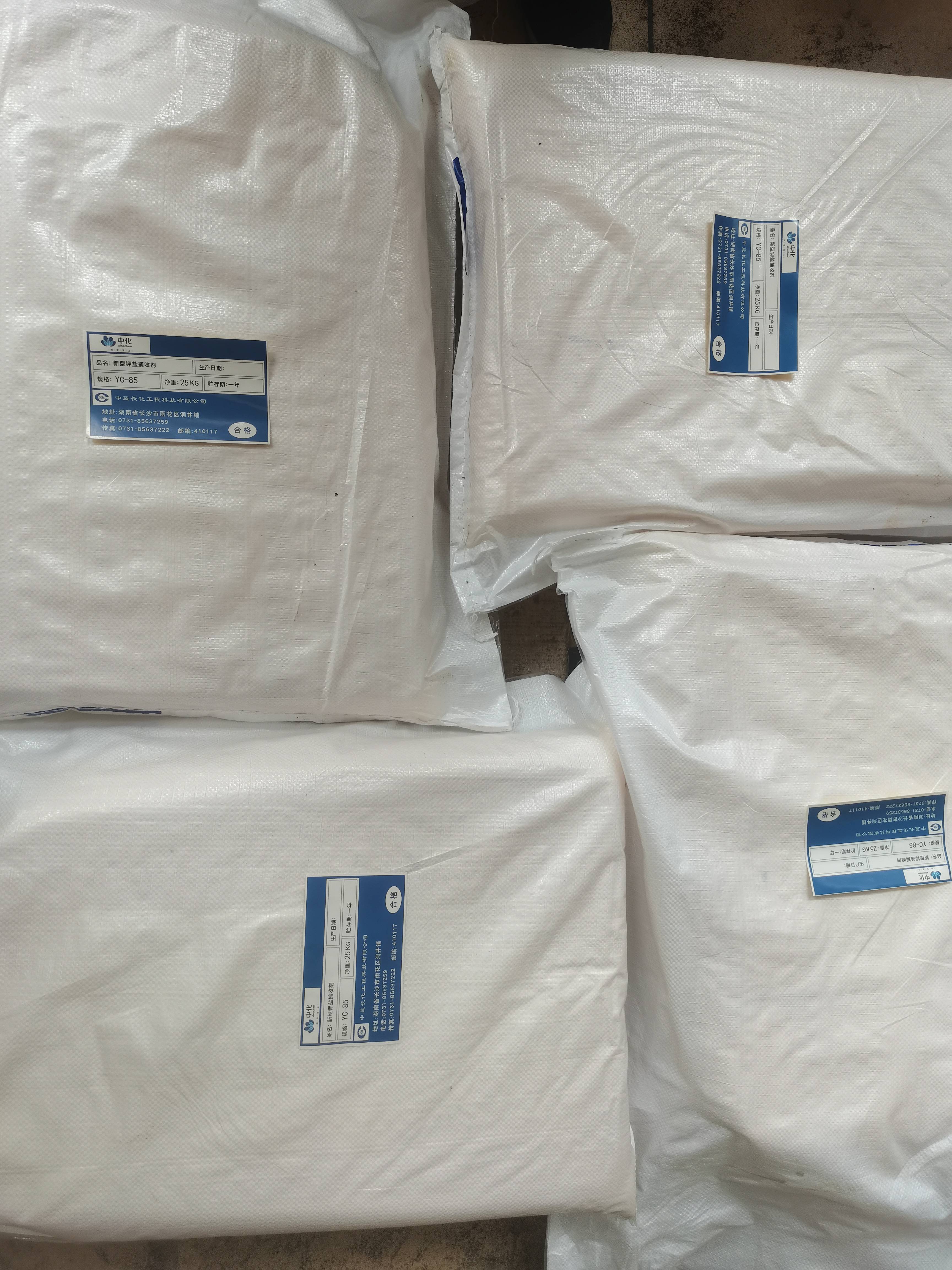

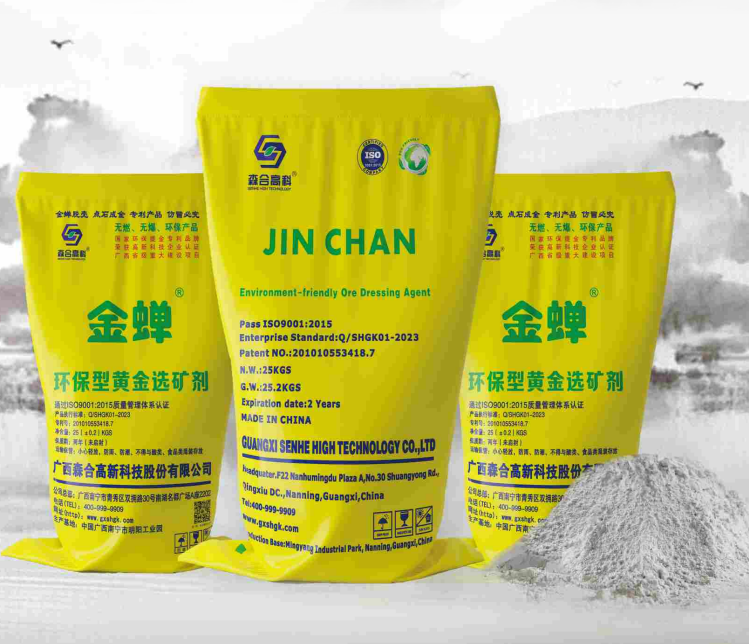
New Environmentally Friendly Green Potassium Salt Collector
Chonfar Engineering and Technology Co., Ltd.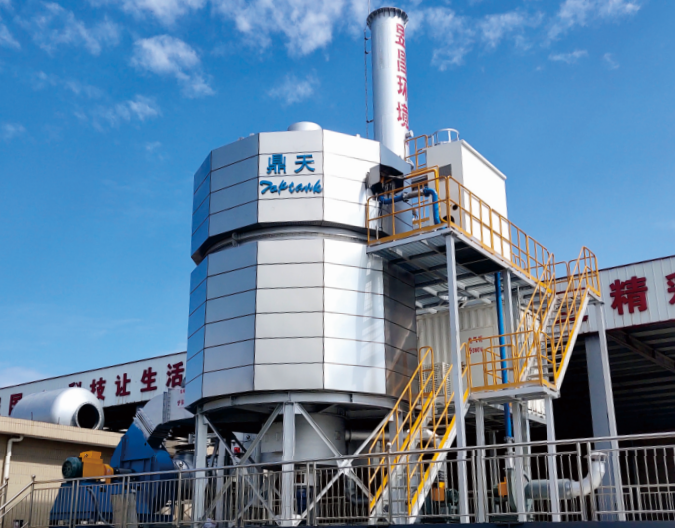
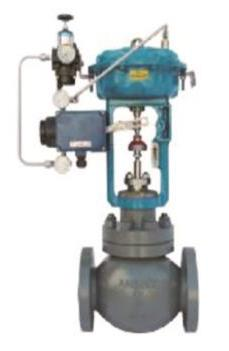
Quick-Change Single-Seat Control Valve / Quick-Change High-Pressure Single-Seat Control Valve
Beijing Consen Automation Technology Co., Ltd.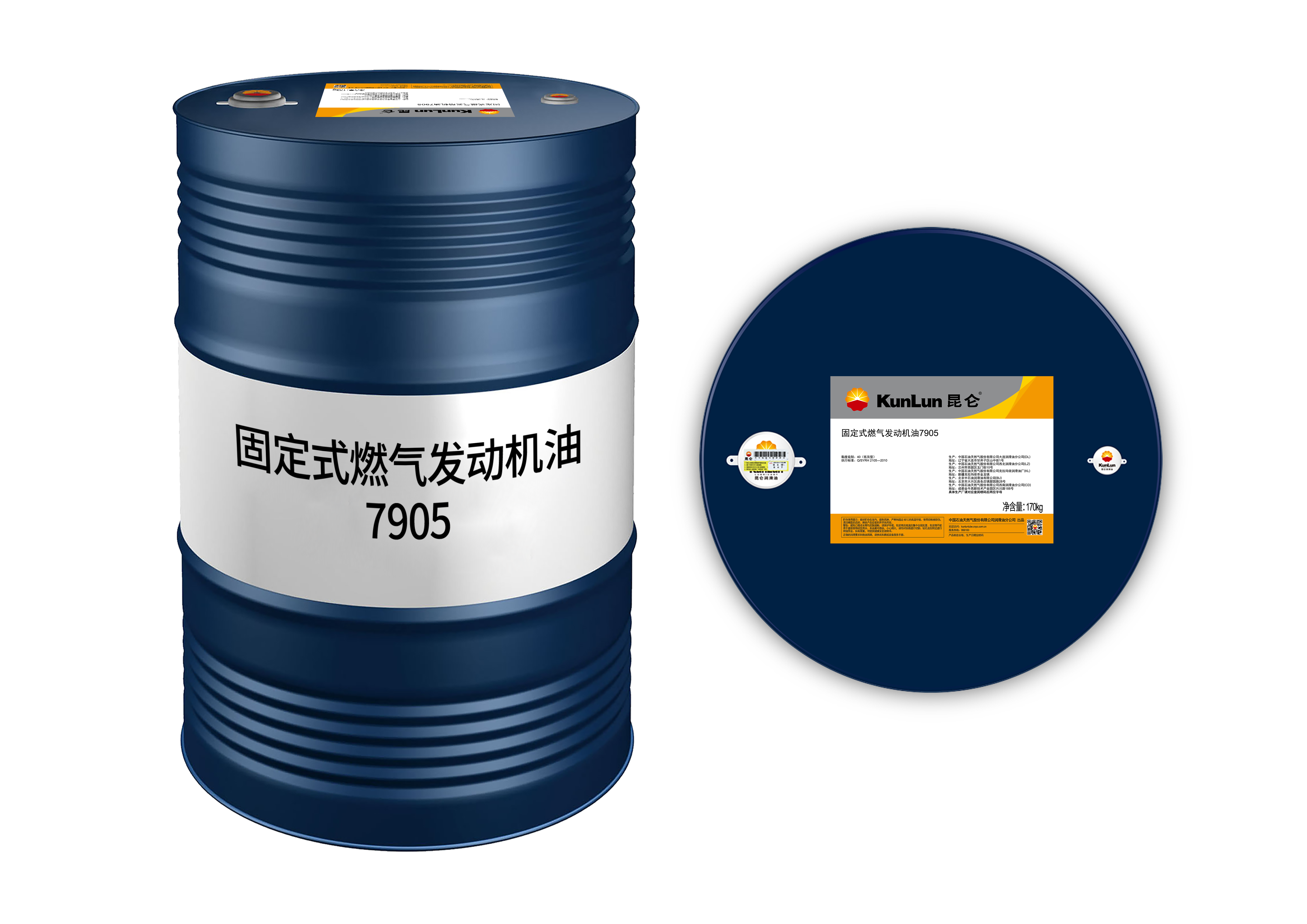

CAP1400 main feedwater flow nozzle flowmeter.
Jiangsu Hongda Instrument Technology Co., LTD.
Industrial and Commercial Point-Type Gas Detector
Jinan Benan Technology Development Co., Ltd.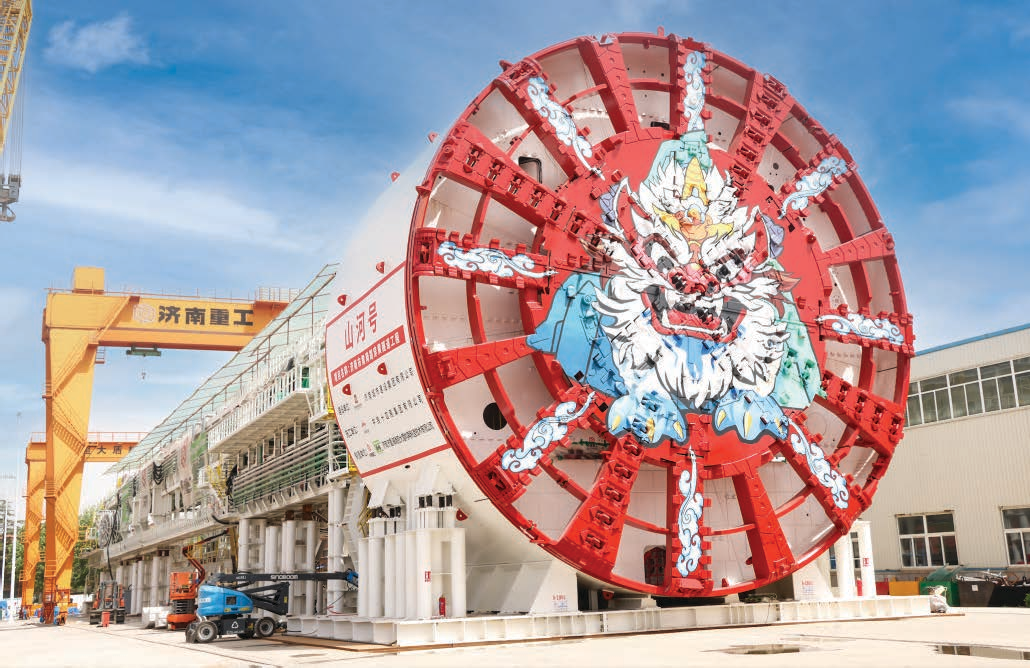

High Thermal Conductivity Encapsulating Resin
Nantong BESALL Sealing Technology Company.,Limited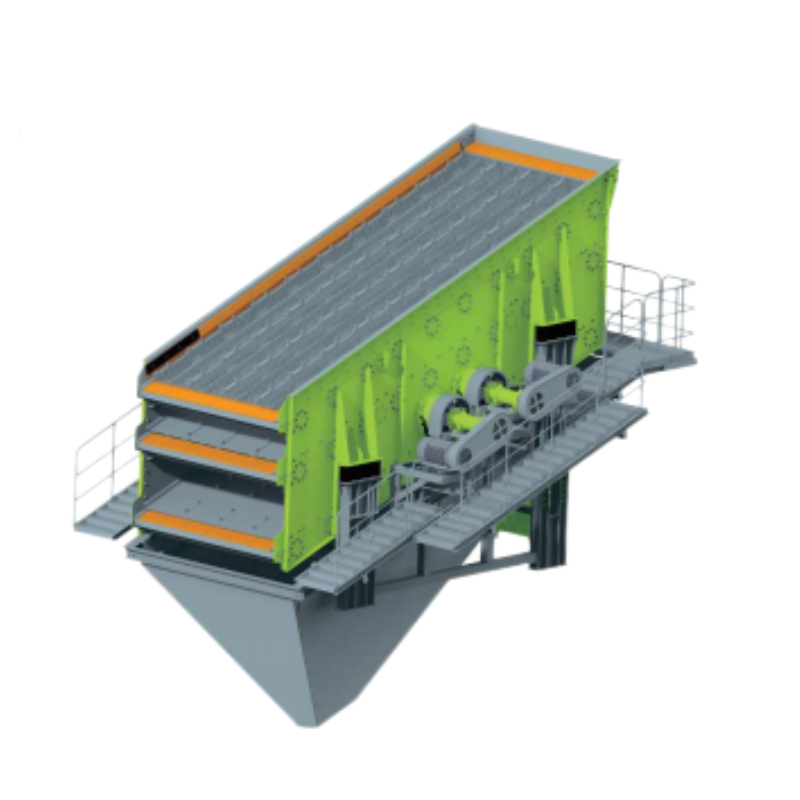

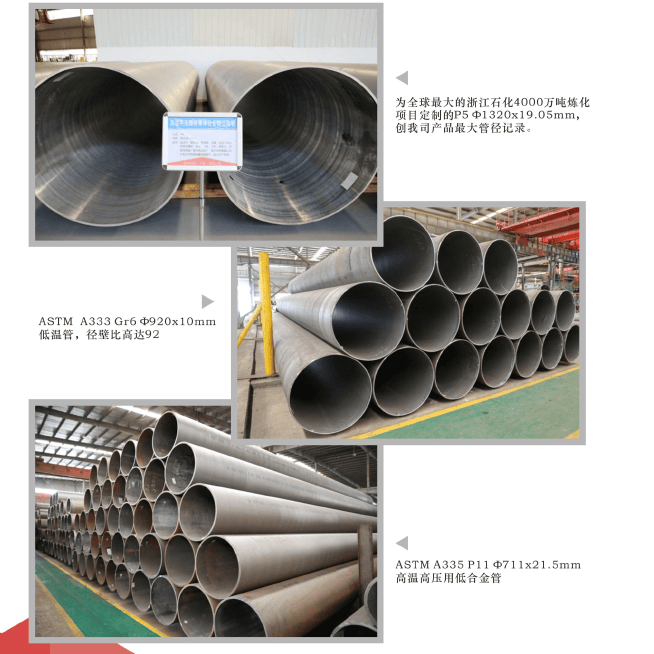
Steel Pipes for Refining and Coal Chemical Industries
YANGZHOU LONTRIN ENERGY EQUIPMENT CO.,LTD.