New Technology for Industrial Gas Emission Purification: High-Efficiency Nitrous Oxide Decomposition Catalyst Successfully Developed
Wedoany.com Report on Feb 5th, Russian researchers have developed a catalyst capable of efficiently processing nitrous oxide, a byproduct generated during chemical and agricultural production processes that damages the ozone layer. This technology is expected to enhance the processing efficiency of industrial emission purification systems.
The continuous increase in greenhouse gas concentrations is a significant environmental challenge currently faced. Nitrous oxide holds a particular position among them, primarily originating from agricultural production and fossil fuel use. Although it does not directly harm human health, this gas significantly affects the ozone layer and accelerates the process of global climate warming.
Existing technologies for catalytically decomposing nitrous oxide into nitrogen and oxygen face several technical obstacles and economic constraints. The main difficulties include high reaction temperature requirements (up to 700°C), complex catalyst preparation processes, and high raw material costs. A research team from NUST MISIS, IOH RAS, and Lomonosov Moscow State University proposed an innovative solution—using highly active metal-zeolite catalysts prepared via improved processes. This method not only simplifies the catalyst production workflow but also significantly enhances catalytic efficiency.
During the research, zeolite materials with FER structure were synthesized using two different methods. The first was the traditional hydrothermal synthesis method, conducted in an alkaline aqueous solution environment. The second employed solvothermal synthesis technology, completing the reaction in an organic solvent system with the addition of hydrofluoric acid.
"These preparation methods can produce FER zeolites with varying crystal morphology, pore structure, and chemical activity. The hydrothermal method was proven to be more effective, yielding materials with a more uniform porous structure and smaller particle size," said Professor Leonid Kustov, Head of the Laboratory of Nanochemistry and Ecology at NUST MISIS and Chief Researcher at the Zelinsky Institute of Organic Chemistry of the Russian Academy of Sciences.
"We also observed that cobalt-containing zeolite catalysts performed better than copper-containing catalysts in the nitrous oxide decomposition process. The best-performing cobalt-based catalyst achieved a 90% N2O decomposition rate at 420°C, whereas copper-based catalysts required a temperature increase of 50-70°C to achieve a similar effect," added Assistant Professor Anna Markova from the Department of General and Inorganic Chemistry at NUST MISIS.
This research achievement has been published in the journal "Colloids and Surfaces A: Physicochemical and Engineering Aspects" (a Q1 journal). The research work received funding support from the Russian Science Foundation (Project No. 23-73-30007).
Related Products


CAP1400 main feedwater flow nozzle flowmeter.
Jiangsu Hongda Instrument Technology Co., LTD.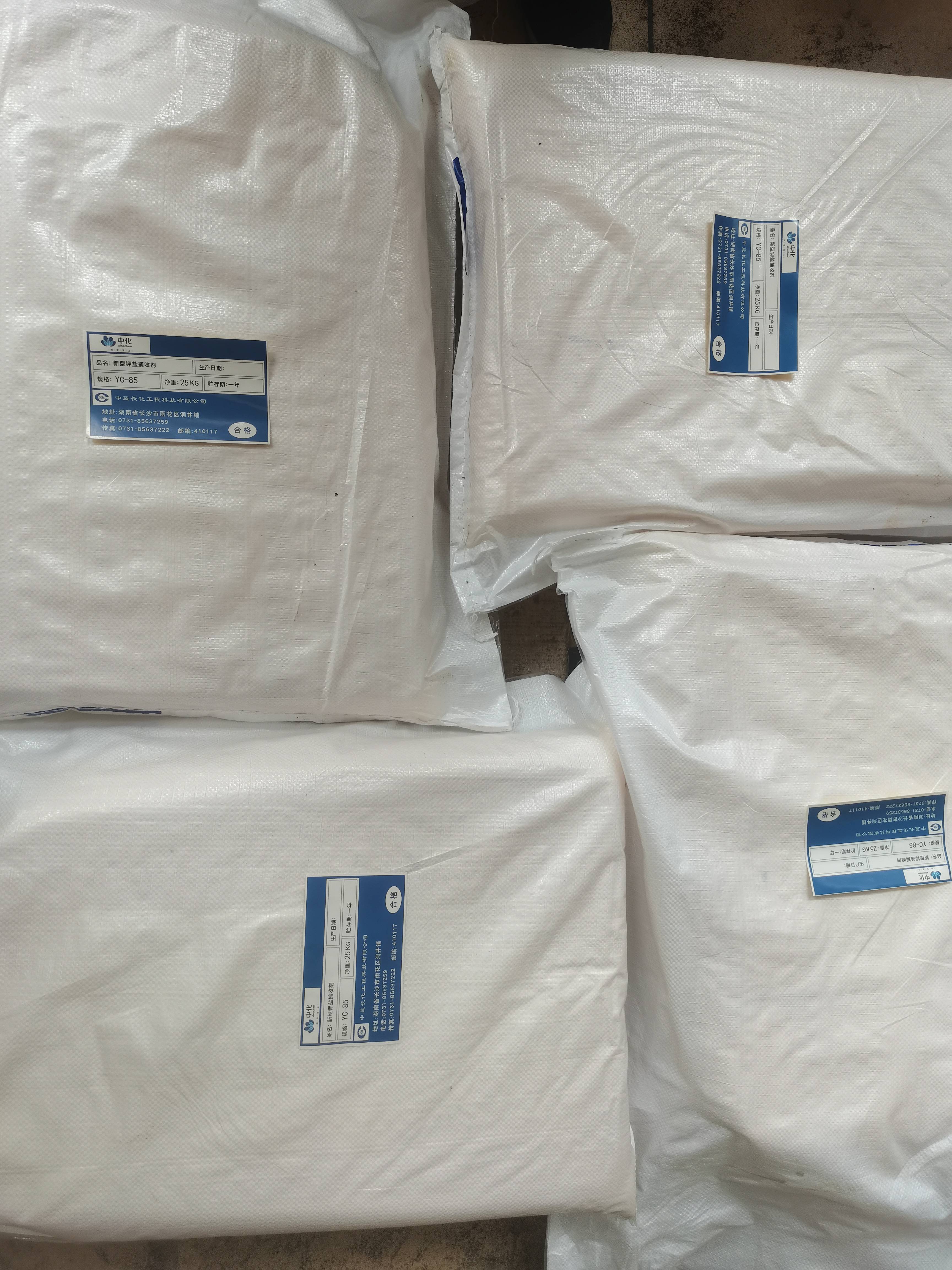
New Environmentally Friendly Green Potassium Salt Collector
Chonfar Engineering and Technology Co., Ltd.
Industrial and Commercial Point-Type Gas Detector
Jinan Benan Technology Development Co., Ltd.
Steel Plates for Chemical Pressure Equipment
Gansu JISCO Group Hongxing Iron and Steel Co., Ltd.
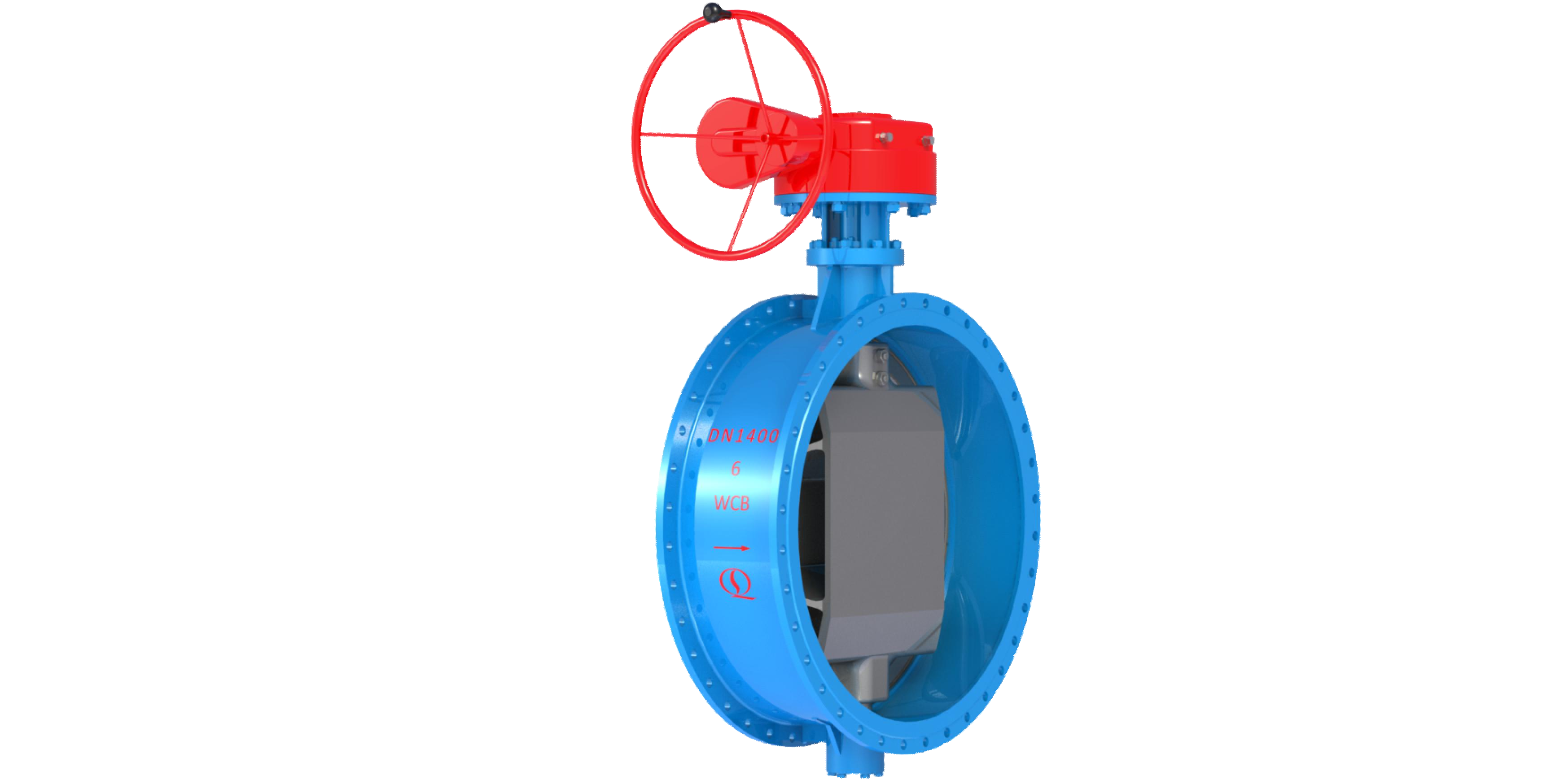
Bidirectional Metal Hard Sealed Seawater Butterfly Valve
Henan Quanshun Flow Control Science & Technology Co., Ltd.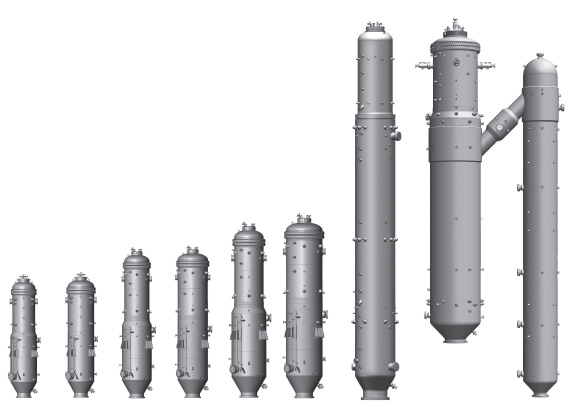
Gasification Furnace Series: Freely Combinable Aerospace Furnace
CHANGZHENG ENGLINEERING CO., LTD.
Quick-Change Single-Seat Control Valve / Quick-Change High-Pressure Single-Seat Control Valve
Beijing Consen Automation Technology Co., Ltd.