University of Rochester Synthesizes Metastable Tungsten Carbide Catalytic Phase, Providing New Catalyst for Carbon Dioxide Conversion
Wedoany.com News, Recently, the team led by Marc Porosoff at the University of Rochester successfully isolated and utilized a highly catalytically active metastable phase of tungsten carbide in a new study. This research addresses a long-standing challenge in the field of transition metal carbide catalysis, opening up new directions for developing high-performance, low-cost catalysts.
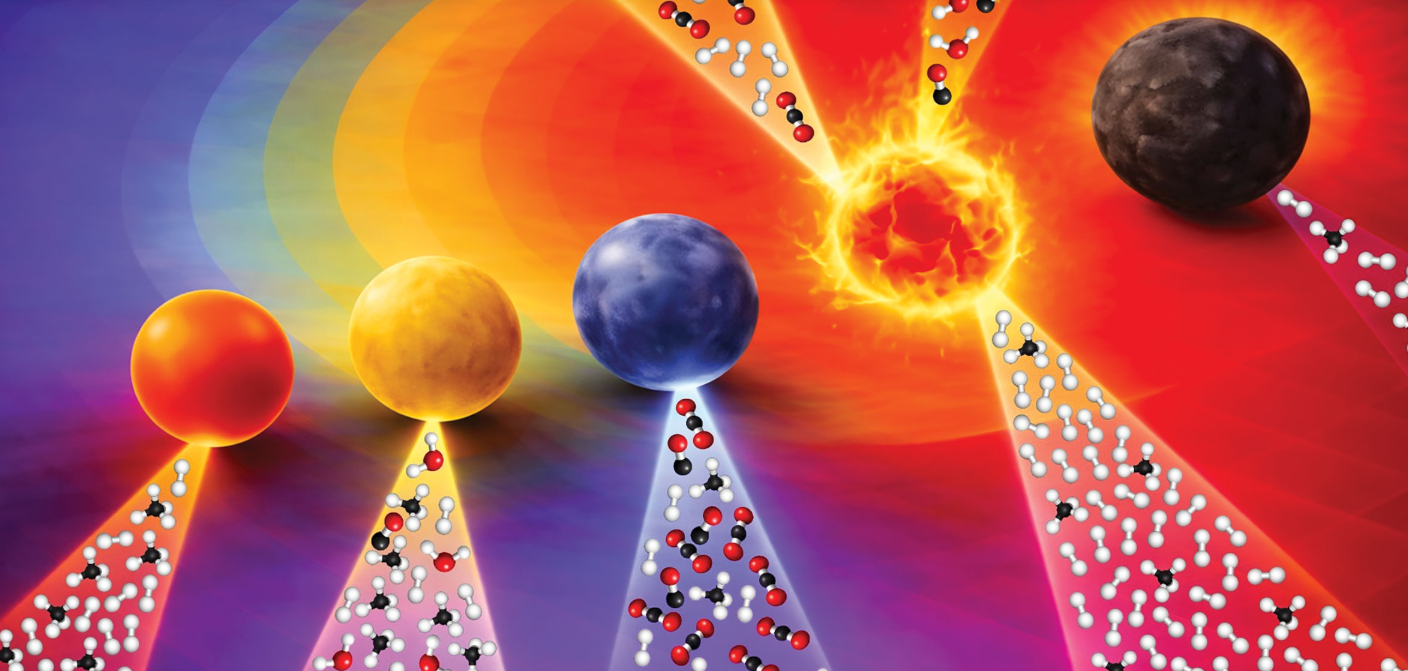
The research team discovered that the intrinsic catalytic activity of tungsten carbide only manifests when it forms the metastable β-W₂C phase, not the typically generated thermodynamically stable phase. Porosoff explained that metastable phases are extremely unstable, making them difficult to isolate and study. To address this, the team precisely controlled particle size and reaction kinetics, using temperature-programmed carburization to control carbon infiltration. This allowed them to selectively synthesize the β-W₂C phase at the nanoscale, preventing its transformation into a stable but less catalytically useful phase.
Experiments demonstrated that β-W₂C can efficiently catalyze the reverse water-gas shift reaction, converting carbon dioxide and hydrogen into carbon monoxide and water. Carbon monoxide is an important platform chemical in industry and can serve as a precursor for fuel production.
Related Products

Hongxing Steel Chemical Pressure Vessel Steel Plate
Gansu JISCO Group Hongxing Iron and Steel Co., Ltd.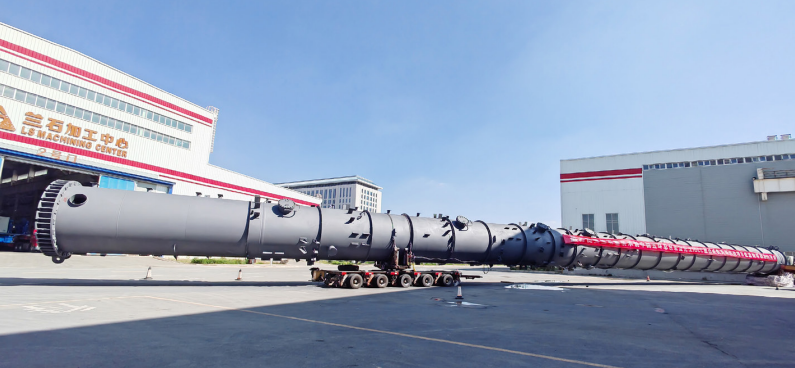

CAP1400 main feedwater flow nozzle flowmeter.
Jiangsu Hongda Instrument Technology Co., LTD.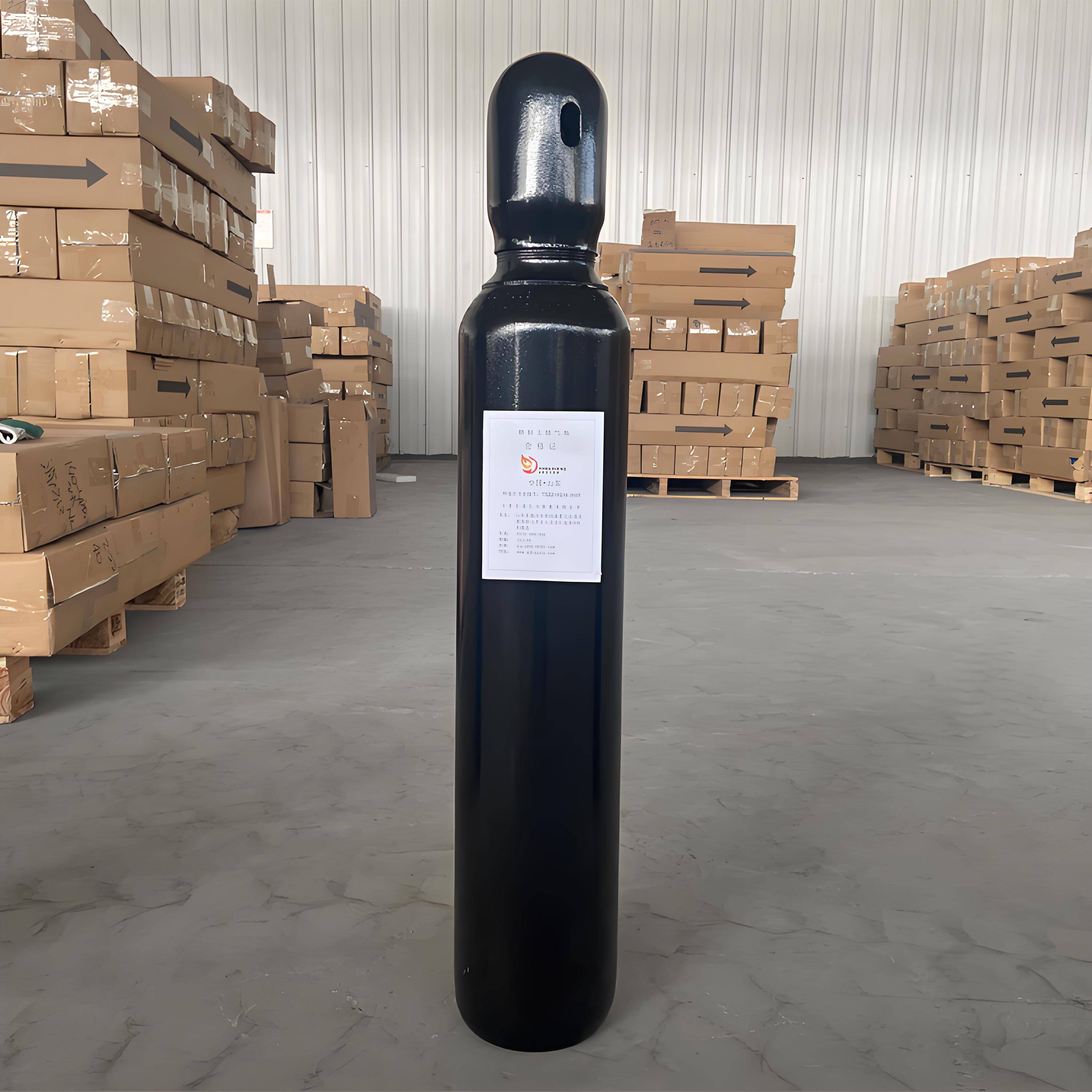
Nitrogen Export, Nitrogen Manufacturer, High-purity Nitrogen Supplier
Foshan Yuexin Industrial Gas Co., Ltd.