South Korean Government Provides 2.1 Trillion Won to Support Petrochemical Industry Restructuring Project
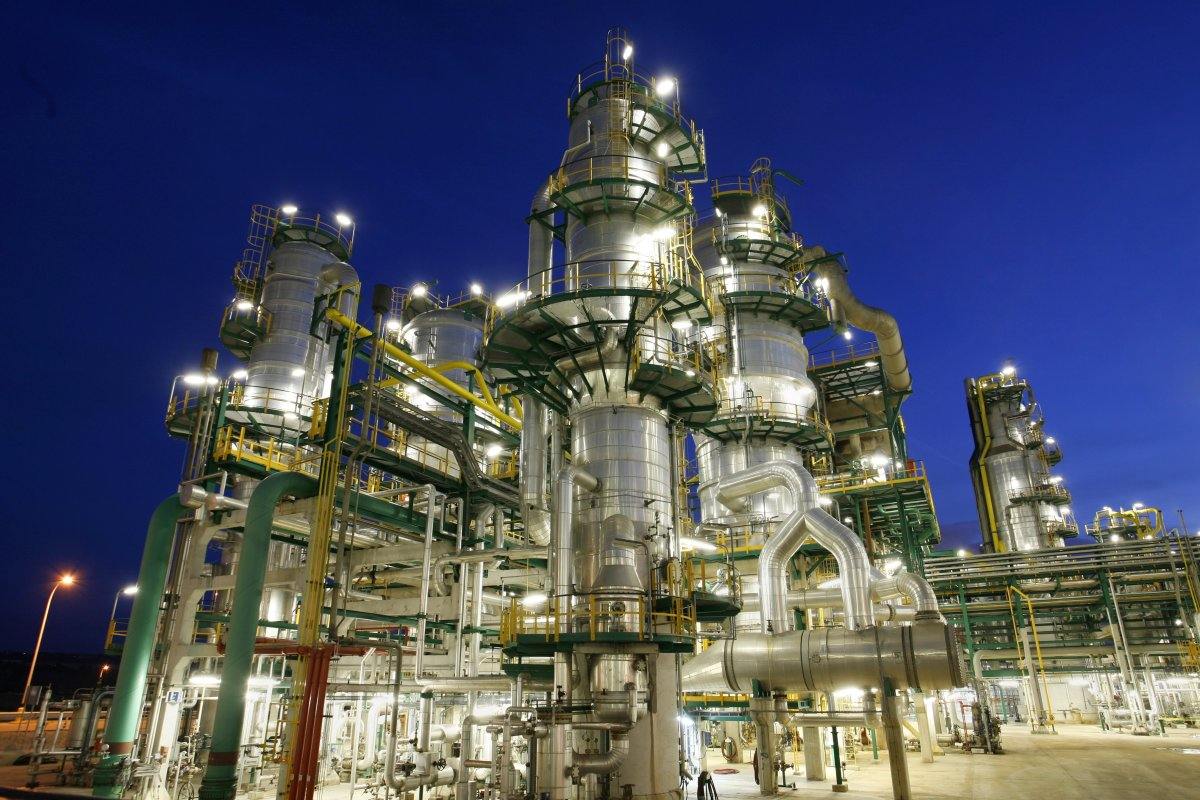
On February 25th, the South Korean government announced it will provide approximately 2.1 trillion won (equivalent to 10 billion RMB) in financial and tax support to fund the restructuring project between Lotte Chemical and HD Hyundai Chemical in the Daesan Industrial Complex, South Chungcheong Province. This support measure is the first project approved under the large-scale self-rescue plan for South Korea's petrochemical industry.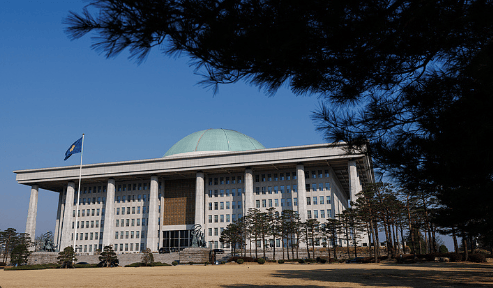
According to the restructuring plan, Lotte Chemical will spin off its Daesan plant and merge it with HD Hyundai Chemical to establish a new company. As a self-rescue measure, the two companies plan to invest 600 billion won each into the new entity.
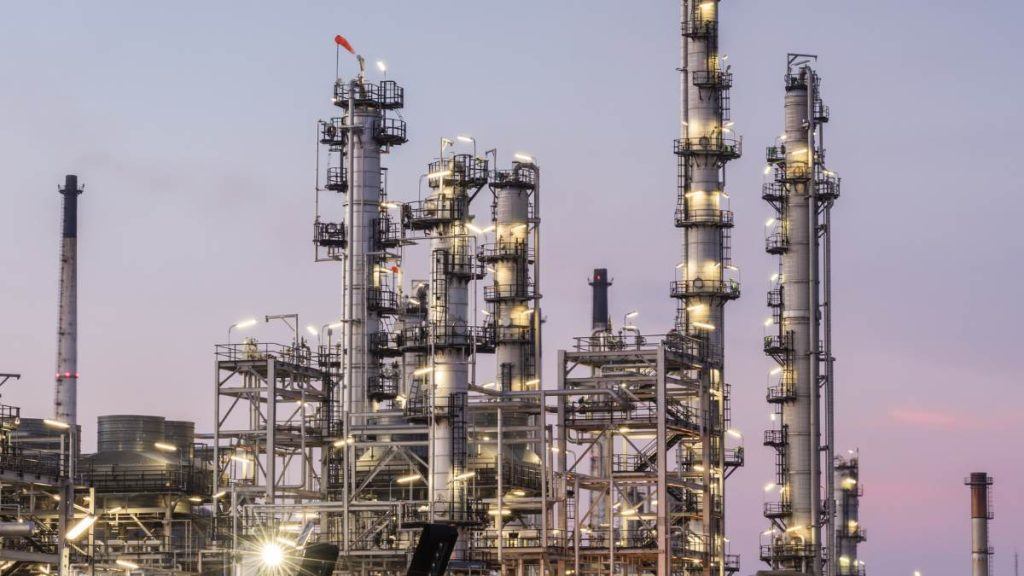
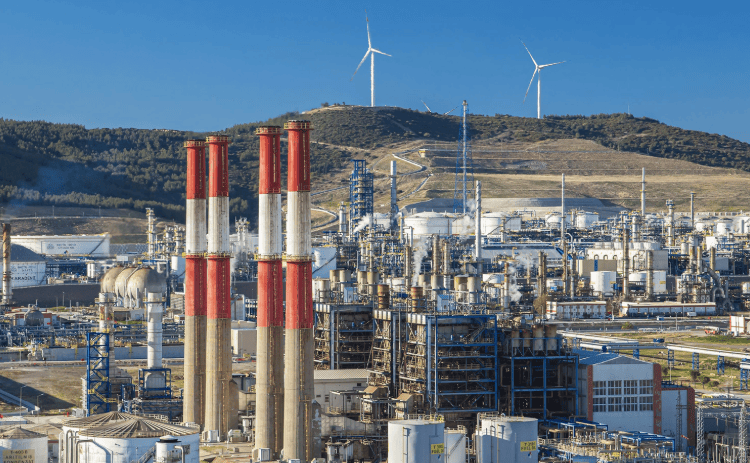
The naphtha cracker operated by Lotte Chemical in Daesan will cease operations. This facility has an annual ethylene production capacity of 1.1 million tons. Concurrently, other facilities owned by the two companies that involve redundant construction or are operating at a loss will also be suspended.
The South Korean government will provide comprehensive support measures including financing, tax incentives, and regulatory approvals. The largest component is a 2 trillion won financial support plan. Financial institutions will provide 1 trillion won in new loans to assist with the corporate restructuring. Additionally, up to 1 trillion won of existing loans will be converted into perpetual bonds.
The South Korean government stated it will expedite the approval process for the integration of the companies' naphtha cracking businesses and support related R&D projects to help the companies shift towards producing high-value-added and environmentally friendly products.
In recent years, South Korea's petrochemical industry has faced severe survival challenges due to a significant decline in profit margins caused by continuous new capacity additions leading to oversupply. In August last year, major South Korean petrochemical companies signed a business restructuring agreement, planning to reduce naphtha cracker capacity by up to 25%, equivalent to an annual capacity of 2.7 to 3.7 million tons.
Related Products
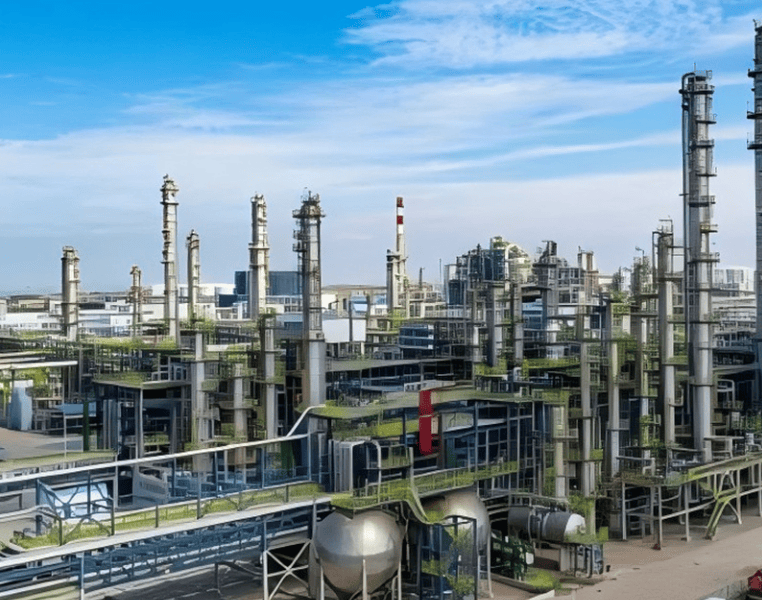

Steel Pipes for Refining and Coal Chemical Industries
YANGZHOU LONTRIN ENERGY EQUIPMENT CO.,LTD.

CAP1400 main feedwater flow nozzle flowmeter.
Jiangsu Hongda Instrument Technology Co., LTD.
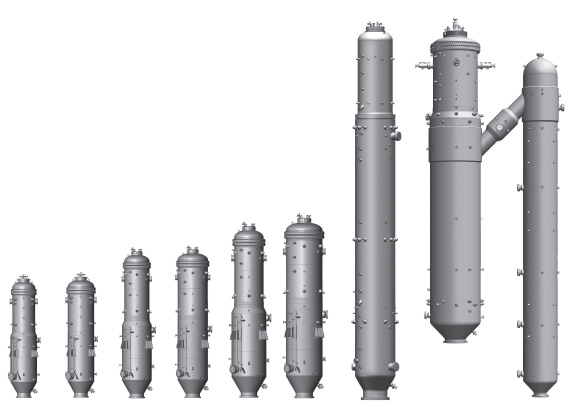
Gasification Furnace Series: Freely Combinable Aerospace Furnace
CHANGZHENG ENGLINEERING CO., LTD.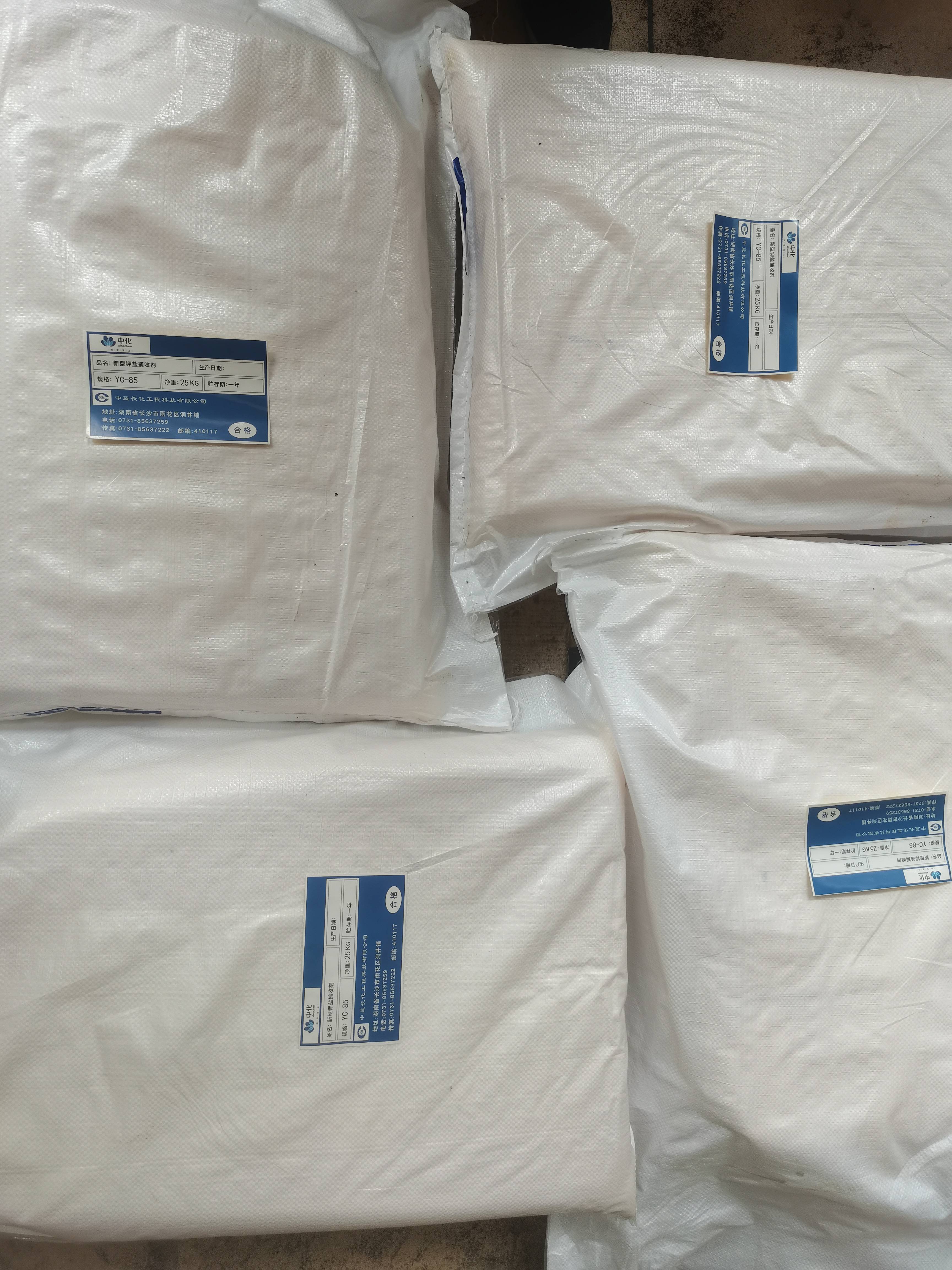
New Environmentally Friendly Green Potassium Salt Collector
Chonfar Engineering and Technology Co., Ltd.