On December 18, the German Federal Cabinet approved a draft biofuel law that will allow the continued use of food and feed crops as raw materials for biofuel production, marking a shift in the country's related policies.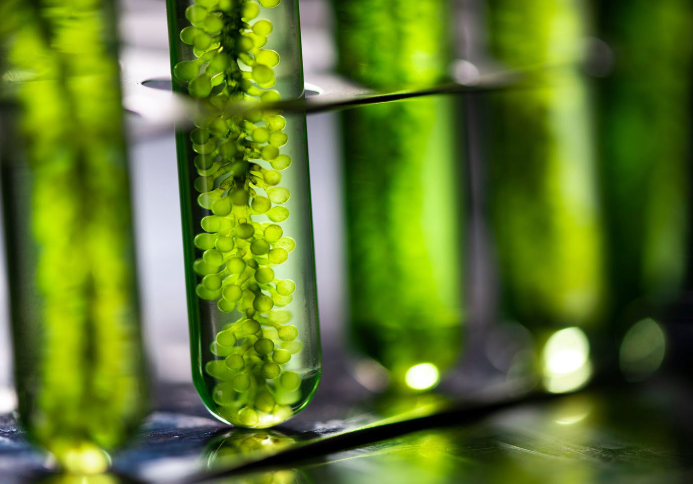
According to a statement from the German Ministry of the Environment, the new draft will maintain the current permitted levels of food and feed raw material use. The previous coalition government, which included the Greens, had planned to phase out such raw materials. Additionally, due to concerns about the environmental damage caused by palm oil production, the draft stipulates that from 2027 onwards, the use of palm oil will not count towards emission reduction targets.
Another key element of the draft is the restriction of the "double counting" practice for certain biofuel feedstocks. "Double counting" is a regulatory mechanism that allows specific advanced or waste-based biofuels to receive double credits when fulfilling compliance targets.
The German biofuel program aims to reduce greenhouse gas emissions from road traffic by blending biodiesel and bioethanol with fossil fuels. Oil companies have emission reduction obligations, which can be partially met by using biofuels. German oilseed traders said the new draft is expected to provide price support. On one hand, they are relieved by the continued use of food-based feedstocks, while the end of "double counting" is also seen as a positive signal.
This draft is also part of transposing the EU's Renewable Energy Directive into German domestic law, covering sectors such as transport, electricity, and heating. The text of the draft has been delayed multiple times and has now been submitted to the German Bundestag for approval.