SecPower Forecasts Brazil's BESS Grid-Connected Capacity Could Exceed 2 GWh by 2026, Energy Storage Market Accelerates Development
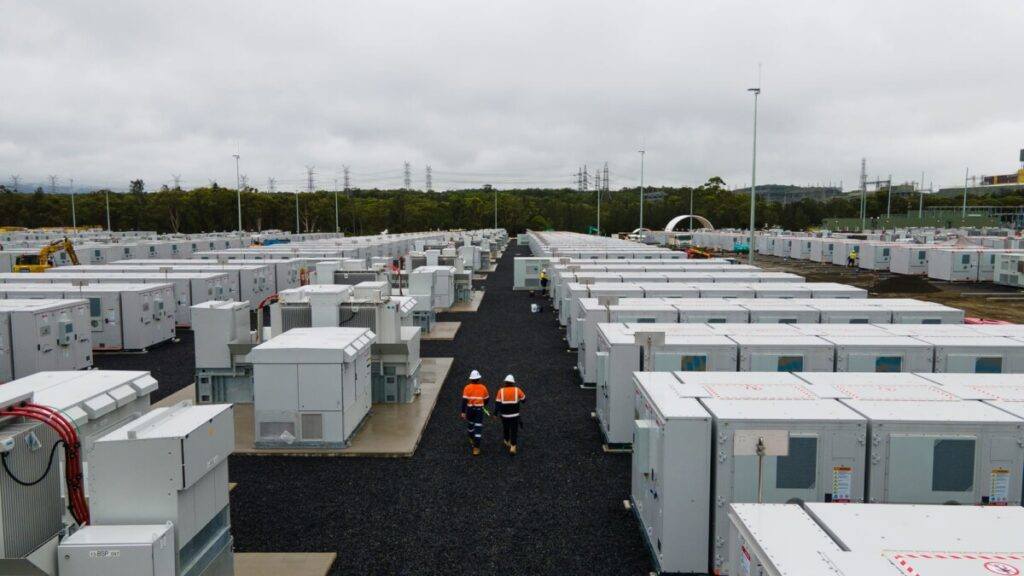
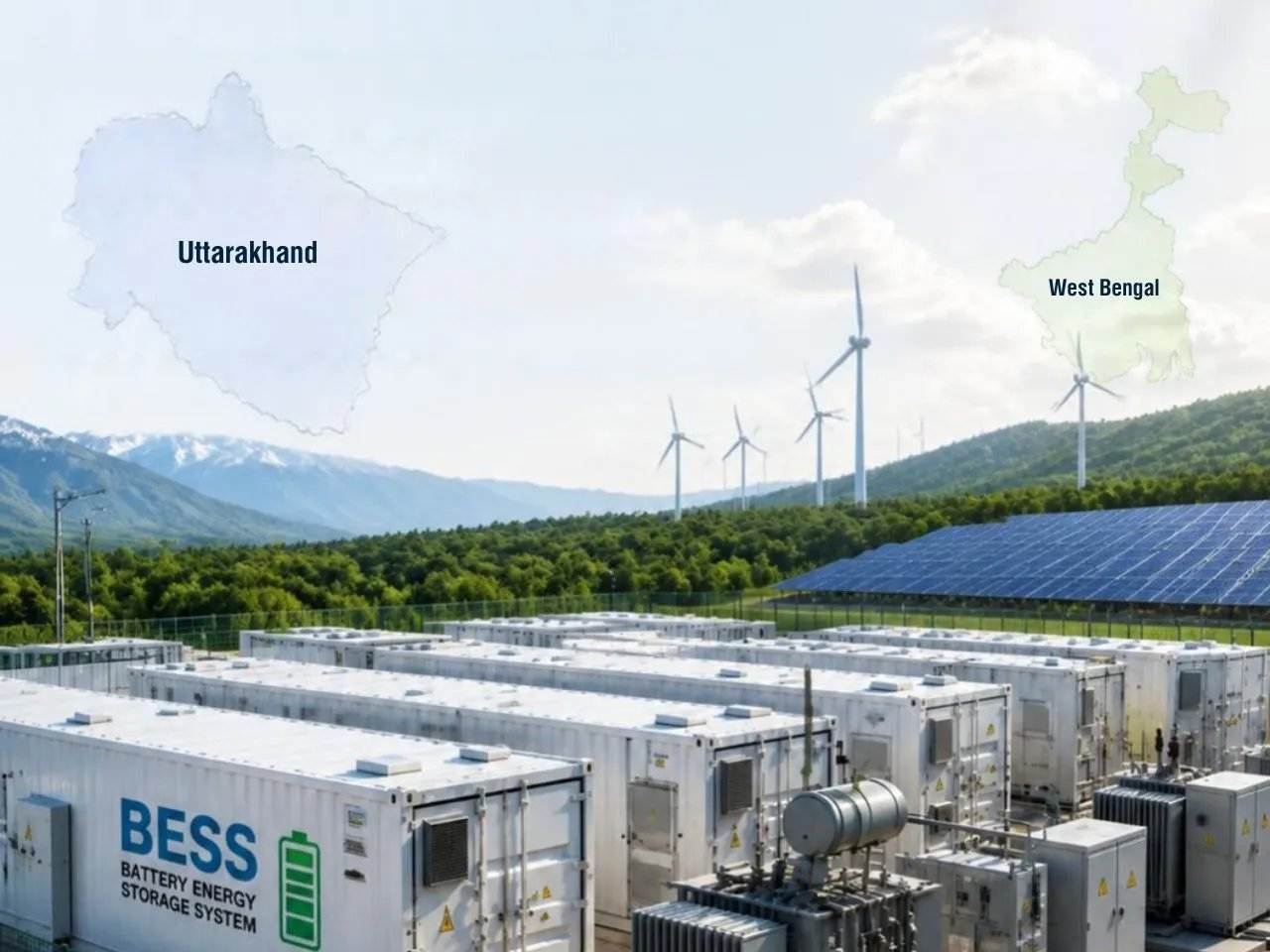
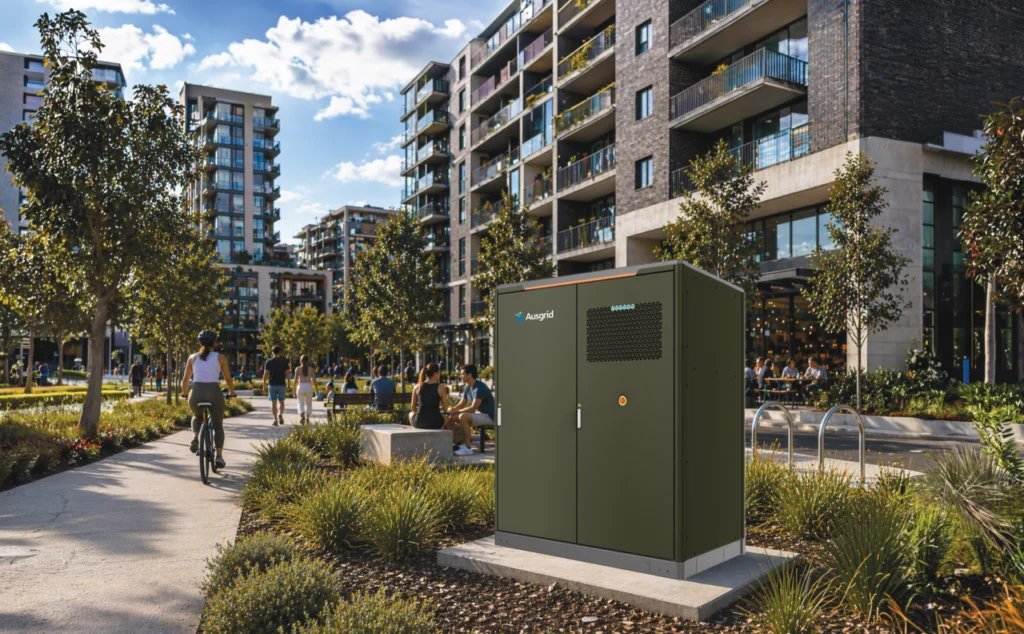
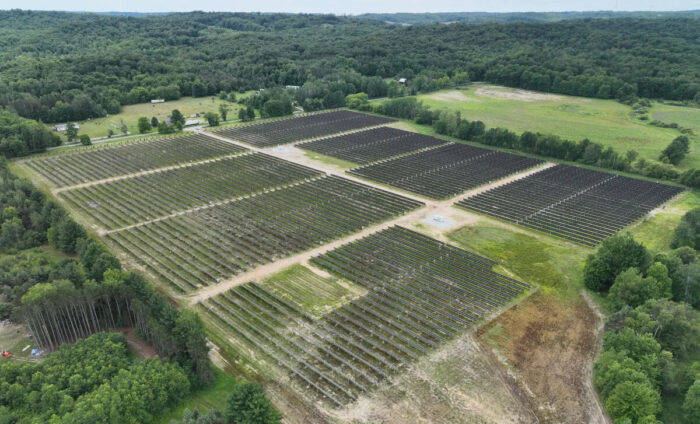
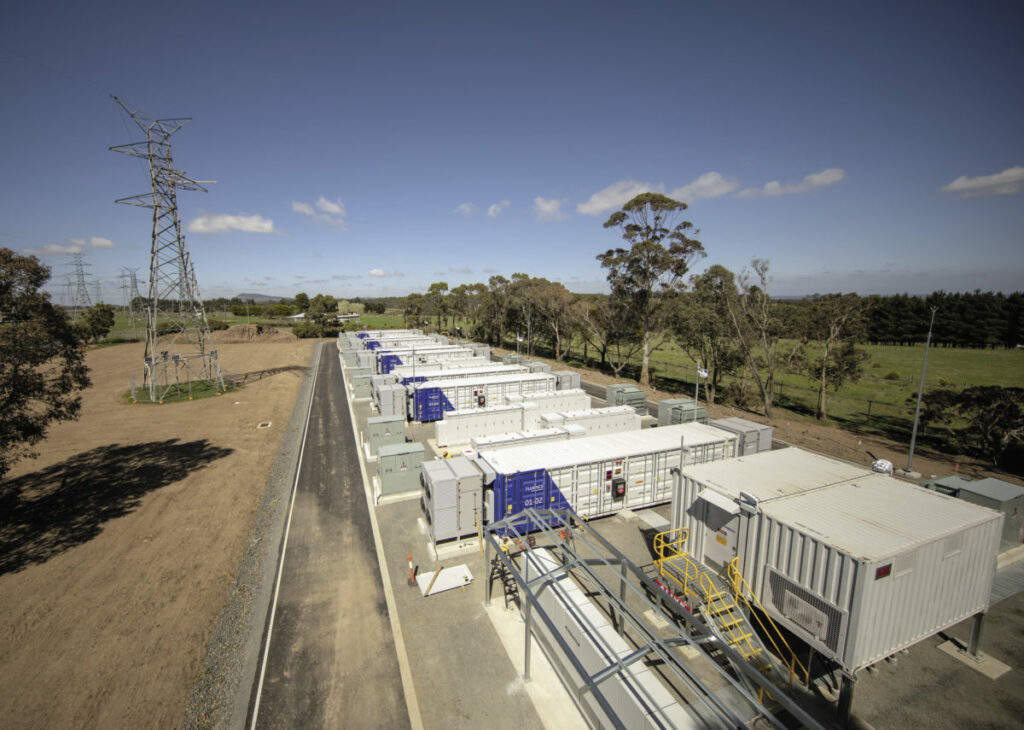
Wedoany.com Report on Feb 10th, Brazil's Battery Energy Storage System (BESS) market is experiencing rapid development and maturation at both technical and commercial levels. Marco Antonio Togniazzolo, Engineering Director at SecPower, points out that the country's commercial capacity for 2025 is projected to be between 1.3 GWh and 2.5 GWh, representing an approximate 51% year-on-year increase in demand. Driven by wider application adoption and regulatory improvements, the installed capacity of grid-connected and off-grid systems is expected to surpass 2 GWh by 2026.
Energy storage has evolved from a temporary solution to a strategic tool for energy management among commercial, industrial, critical infrastructure, and electric vehicle users. "Today, BESS addresses specific needs such as energy security, cost reduction, and energy optimization, which provides economic justification for projects," Togniazzolo stated. Key applications include backup systems to guard against supply interruptions, peak/off-peak tariff management, peak shaving and load shifting, and increasing self-consumption to enhance distributed generation efficiency and mitigate regulatory impacts.
According to SecPower's analysis, Brazil's BESS market currently focuses more on commercial and industrial projects, especially in regions with higher energy costs and constrained supply. Most installations involve medium-sized systems used for peak shaving/load shifting, energy backup, and electricity bill optimization. Another notable trend is the replacement or supplementation of diesel generators with batteries, driven by both economic considerations and environmental/ESG goals. For instance, the STERBOM project utilizes energy storage to ensure production continuity and cost control, while TELD integrates BESS into its electric vehicle charging infrastructure to enhance capacity and operational stability.
Backup demand is one of the key factors driving BESS market growth. Togniazzolo emphasized, "When power interruptions directly impact operations, energy storage is no longer optional but becomes a core part of the business strategy." Users who have already invested in distributed generation are also more inclined to adopt batteries, as they optimize energy use, ensure backup power, and help prepare for future scenarios like dynamic pricing and the free energy market.
Despite significant progress, the market still faces challenges such as initial costs, regulation, and technical training. Although battery prices are decreasing annually, investment barriers are often reinforced by the perception that "batteries are expensive." "Technological advancements, like the widespread adoption of LFP batteries and global economies of scale, are shortening payback periods, but market education still needs strengthening," Togniazzolo assessed. Technical training is also a sensitive issue for integrators.
On the regulatory front, Public Consultation No. 39/2023 by the National Electric Energy Agency (Aneel) is seen as key to unlocking BESS potential. SecPower believes eliminating double charging for battery charging and discharging is crucial for peak/off-peak tariff management and project economics. Regulations in 2026 are expected to provide clearer guidance on licensing and remuneration, creating a more predictable environment for investment. Technologically, LFP batteries are favored for their profitability and safety, while the integration of Energy Management Systems (EMS) and hybrid inverters is enhancing operational intelligence.
The development of energy storage is also giving rise to new business models, such as "as-a-service" offerings that lower initial investment, Virtual Power Plants (VPPs) that aggregate systems for revenue generation, providing grid ancillary services, and arbitrage in the free market. "Energy storage is poised to play a central role in the next phase of Brazil's electricity sector," Togniazzolo concluded. Overall, Brazil's BESS market balances opportunities and challenges amidst growth, with future capacity expansion depending on technological innovation and regulatory support.
Related Products
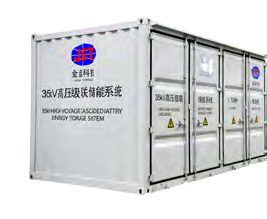

6kV-35kV Medium and High Voltage Direct-Connected Energy Storage System
Hainan Jinpan Smart Technology Co., Ltd.
Hydrogen Production Technology: Hydrogen Purification by Pressure Swing Adsorption
Chengdu Yizhi Technology Co., Ltd.
Microcomputer Protection and Substation Automation
Beijing Agent Devote Power Technology Development Co., Ltd.
Bidirectional Metal Hard Sealed Seawater Butterfly Valve
Henan Quanshun Flow Control Science & Technology Co., Ltd.