China's Energy Transition: Coal-Fired Power Plant Construction Coexists with Renewable Energy Development
Wedoany.com Report on Feb 10th, China achieved significant growth in solar and wind power capacity in 2025, but at the same time, construction projects for coal-fired power plants also increased, sparking discussions about the country's energy transition path.

According to a joint research report released on Tuesday, over 50 large coal-fired units went into operation in 2025, each with a generating capacity of 1 gigawatt or more. This number is higher than the average of less than 20 units per year over the past decade. The report, co-authored by the Centre for Research on Energy and Clean Air and Global Energy Monitor, shows that China added 78 gigawatts of coal-fired power capacity, a significant increase compared to previous years. Christine Shearer from Global Energy Monitor pointed out, "The scale of construction is noteworthy. In 2025 alone, the coal-fired power capacity China brought online exceeded the total added by India over the entire past decade."
On the other hand, data from the National Energy Administration indicates that China added 315 gigawatts of solar capacity and 119 gigawatts of wind capacity in 2025. This growth in renewable energy contributed to a decline in the share of coal-fired power in the total electricity generation mix. As clean energy covered the entire incremental electricity demand last year, coal-fired power generation decreased by approximately 1%.
Power shortages in some parts of China in 2021 and 2022 heightened concerns about energy security. Some factories suspended production, and individual cities implemented rolling blackouts. In response, relevant authorities signaled the construction of more coal-fired power plants, leading to a rise in applications and approvals. Qin Qi, an analyst at the Centre for Research on Energy and Clean Air, explained, "The surge in approvals in 2022-23 drove the substantial increase in capacity when new units came online last year. Once approvals are granted, projects become difficult to reverse." The report also mentioned that 83 gigawatts of coal-fired power projects began construction last year, suggesting the possibility of even more new capacity coming online this year.

The government argues that coal-fired power can provide stable backup support for intermittent energy sources like wind and solar to ensure grid stability. In guidelines issued last year, the National Development and Reform Commission emphasized that coal should "play an important supporting and balancing role" in the coming years. The China Coal Transportation and Distribution Association expressed a similar view, stating that coal-fired power is crucial for maintaining reliable grid operation.
Qin Qi warned of the risk that building excessive coal capacity could delay the transition to clean energy. She stated, "Whether China's coal power expansion ultimately translates into higher emissions will depend on whether its role is truly limited to backup and support, rather than baseload generation." The report recommends accelerating the retirement of old and inefficient coal-fired power plants and committing in the next five-year plan to ensure no increase in emissions from the power sector between 2025 and 2030. Overall, China's energy transition is still advancing, with coal-fired power plant construction coexisting alongside renewable energy development, reflecting a balancing act between ensuring energy security and promoting a green transition.
Related Products



40.5kV-1100kV Gas Insulated Metal-Enclosed Switchgear (GIS)
Henan Pinggao Electric Co., Ltd.

Prefabricated Houses and Electrical Energy Boxes
Chengdu Ruilong Machinery Manufacturing Co., Ltd.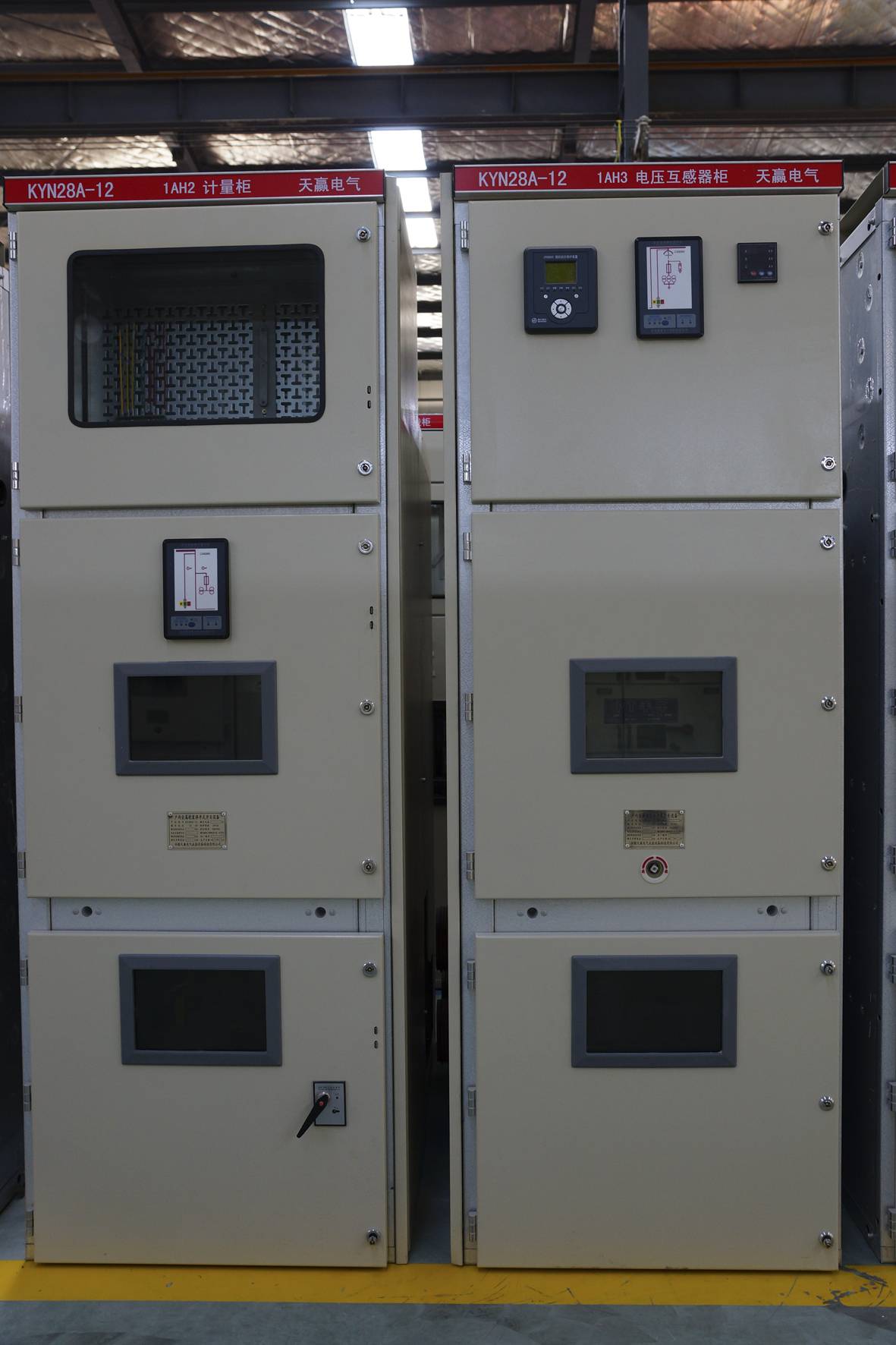
KYN28 - High Voltage Switchgear
Anhui Tianying Electrical Equipment Manufacturing Co., Ltd.

Electromagnetic Fluid Seawater Floating Oil Separation and Recover Equipment
Huate Magnet Group Co., Ltd.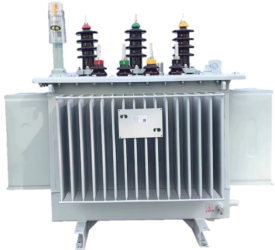
Oil-immersed Amorphous Alloy Core Distribution Transformer
Pinggao Group Smart Electric Co., Ltd.
CAP1400 main feedwater flow nozzle flowmeter.
Jiangsu Hongda Instrument Technology Co., LTD.
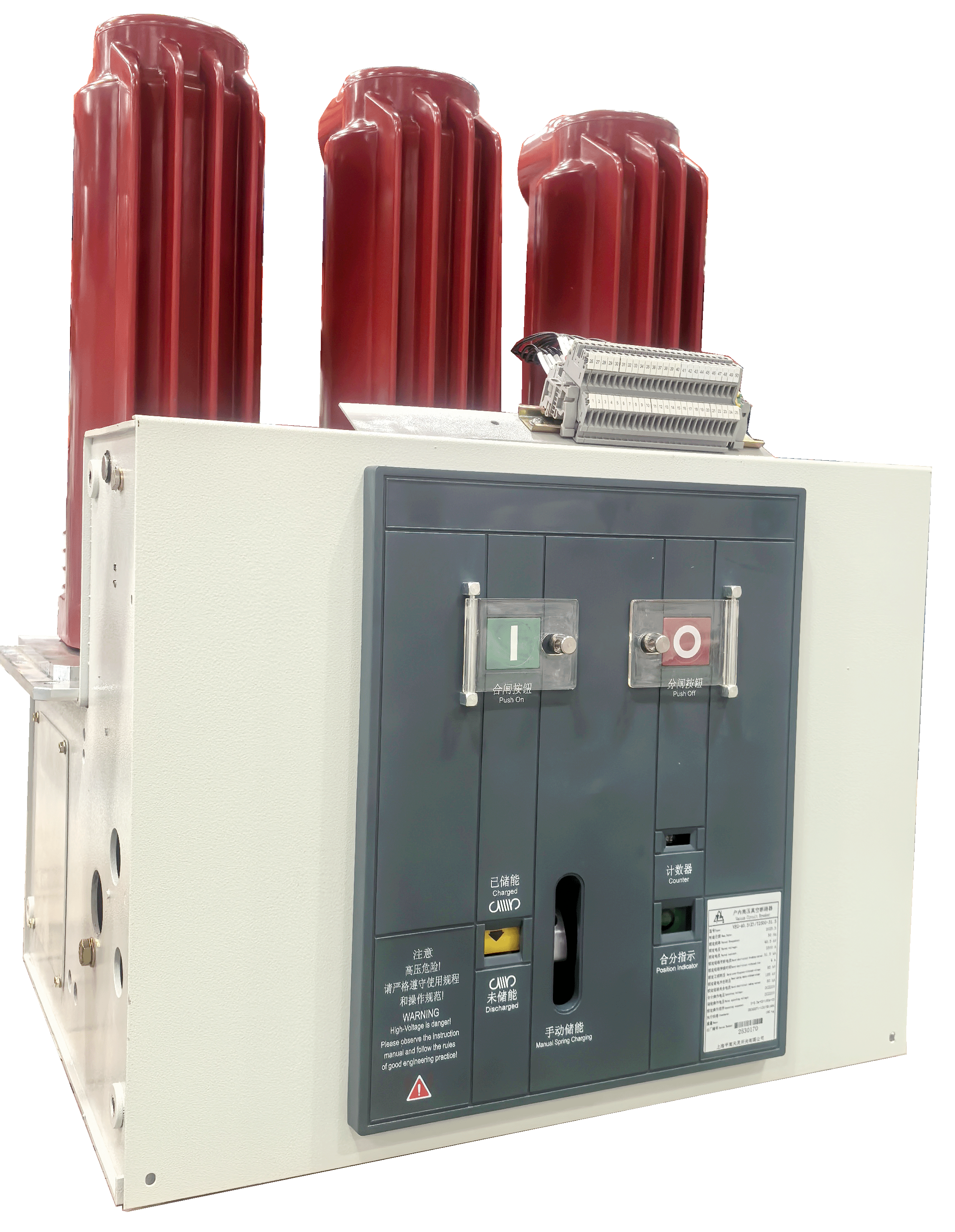
VEG-12/24/40.5 Series Vacuum Circuit Breaker
SHANGHAI PINGGAO TIANLING SWITCHGEAR CO., LTD.