India Cuts Renewable Energy Generation on a Large Scale Due to Grid Constraints
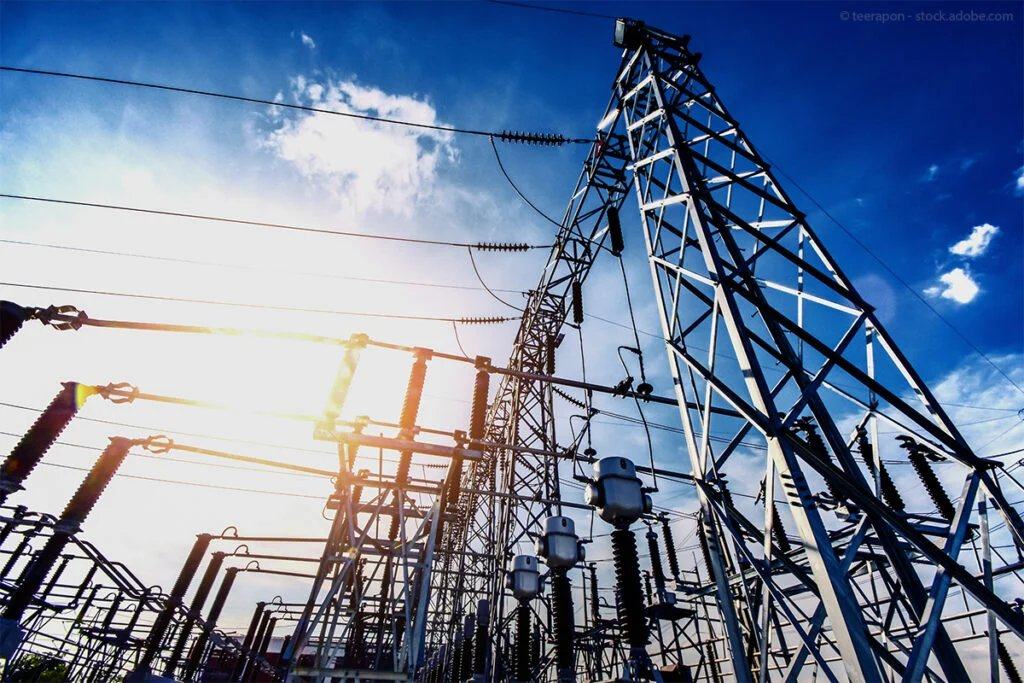
Wedoany.com Report on Feb 10th, India's central government has stepped in after Rajasthan and Gujarat ordered large-scale curtailment of solar and wind power generation to address the dilemma of excess green power capacity and insufficient transmission capability.
The Ministry of New and Renewable Energy has tasked the Central Electricity Authority and Power Grid Corporation of India Ltd. (PGCIL) to jointly study solutions. According to an anonymous source familiar with the matter, "During a recent stakeholder meeting, the ministry asked the CEA to investigate ways to reduce power system oscillations to improve transmission stability." Oscillations refer to fluctuations in parameters such as voltage and current within a power system, which can be amplified during periods of overcapacity, potentially leading to instability or equipment damage.
According to data from energy transition think tank Ember, this curtailment is equivalent to 18% of the average monthly solar generation of 13 billion kWh. Developers received compensation of 57.5 to 69 billion rupees but still often face losses. The root cause lies in India's rapid growth in renewable energy capacity, lagging construction of transmission infrastructure and battery storage, and the preference of power distribution companies in many states to sign more expensive thermal power purchase agreements.
India currently has 258 GW of renewable energy capacity, with solar accounting for 135.80 GW and wind for 54.51 GW. Transmission capacity exceeds 500,000 circuit kilometers, but new transmission lines added from April to December in FY2027 totaled 5,077 circuit kilometers, a 14.8% decrease year-on-year. The Ministry of Power stated that interstate and intrastate transmission projects under construction will add approximately 67,500 circuit kilometers of lines to enhance grid reliability.
Neerav Nanavati, CEO of BluPine Energy, pointed out, "Renewable energy curtailment indicates that capacity growth has outpaced the system's absorption capability, highlighting insufficient system flexibility. This has a direct impact on project economics, requiring greater consideration of grid behavior in investments." With the annual target of auctioning 50 GW of renewable energy progressing, capacity addition is accelerating. The next phase of development depends on the speed of integrating energy storage, flexible grid operations, and market frameworks.
The National Solar Energy Federation of India stated that green power curtailment in Rajasthan is approximately 3 GW, with curtailment rates reaching up to 100% during peak hours. An Ember report explained that authorities are forced to curtail solar generation because other power sources, such as thermal power, cannot be sufficiently shut down to accommodate the midday generation surge, especially when demand is lower than forecasted.
Akshay Hiranandani, CEO of Serentica Renewables, emphasized, "Market-based dispatch and integration of energy storage can reduce curtailment risks and lower system costs. Unless transmission planning, storage, and compensation mechanisms are improved, curtailment will continue to slow investments and increase electricity prices." Meanwhile, distribution companies are selling renewable energy at low prices, and many states are signing expensive thermal power agreements instead of cheaper green power, with 43 GW of green power capacity yet to secure power purchase agreements.
Recently, PGCIL commissioned key transmission lines such as Bhadla II–Sikar II and Khetri–Narela. Varchasvi Gagal of Datta Power Infra stated, "Renewable energy curtailment leads to direct revenue loss and reduced project returns, with risks transferred to developers. Strict enforcement of must-run status, synchronization of transmission commissioning with capacity growth, and protective mechanisms in PPAs are crucial." These measures are expected to alleviate the bottlenecks faced by India's green power sector and promote sustainable development.
Related Products


0.66kV Power Supply Instrument Transformer
Guangdong Sihui Instrument Transformer Works Co., Ltd.
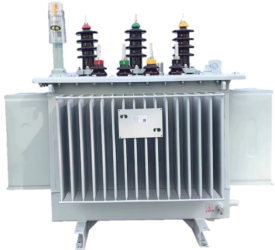
Oil-immersed Amorphous Alloy Core Distribution Transformer
Pinggao Group Smart Electric Co., Ltd.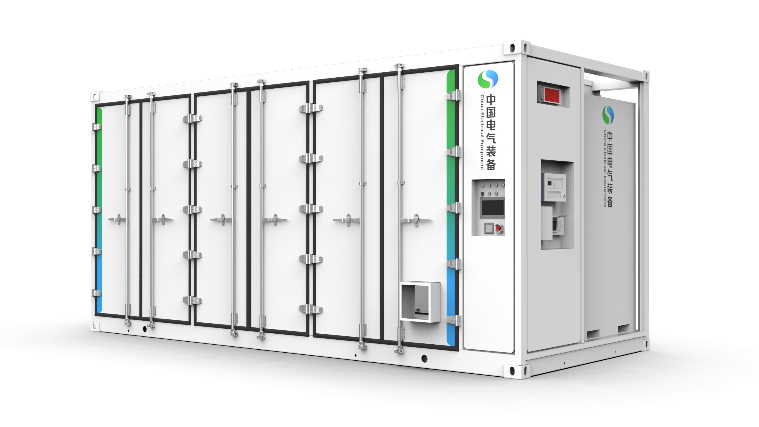
MESS8201-2507/5015-BN Prefabricated Liquid-cooled Energy Storage Battery Container
Xuchang Xuji Electric Science Energy Storage Technology Co., Ltd.
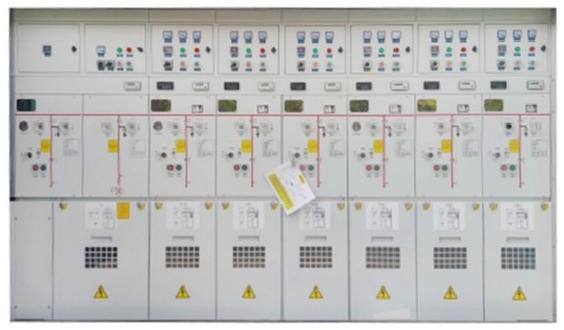
NISELA Series Environmentally Friendly Gas-Insulated Ring Main Unit
XJ DELISHIER ELECTRIC CO., LTD.

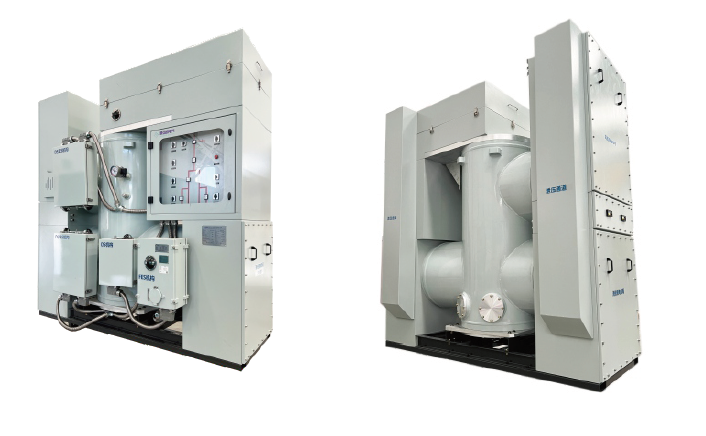
72.5kV 1250A 31.5kA SF6 free Gas-insulated Metal-enclosed Switchgear
Zhejiang Juhonkia Intelligent Electric Co., Ltd.