What Is the Role of Smart Technology in Modern Urban Building?
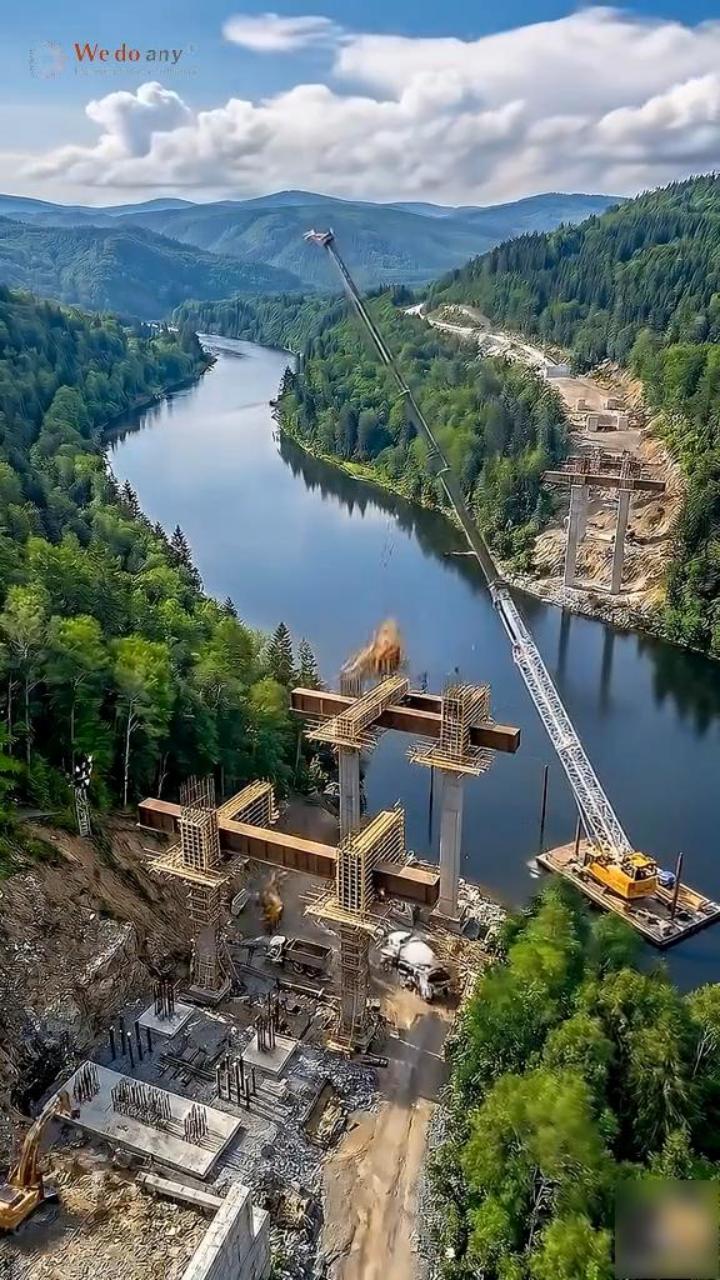
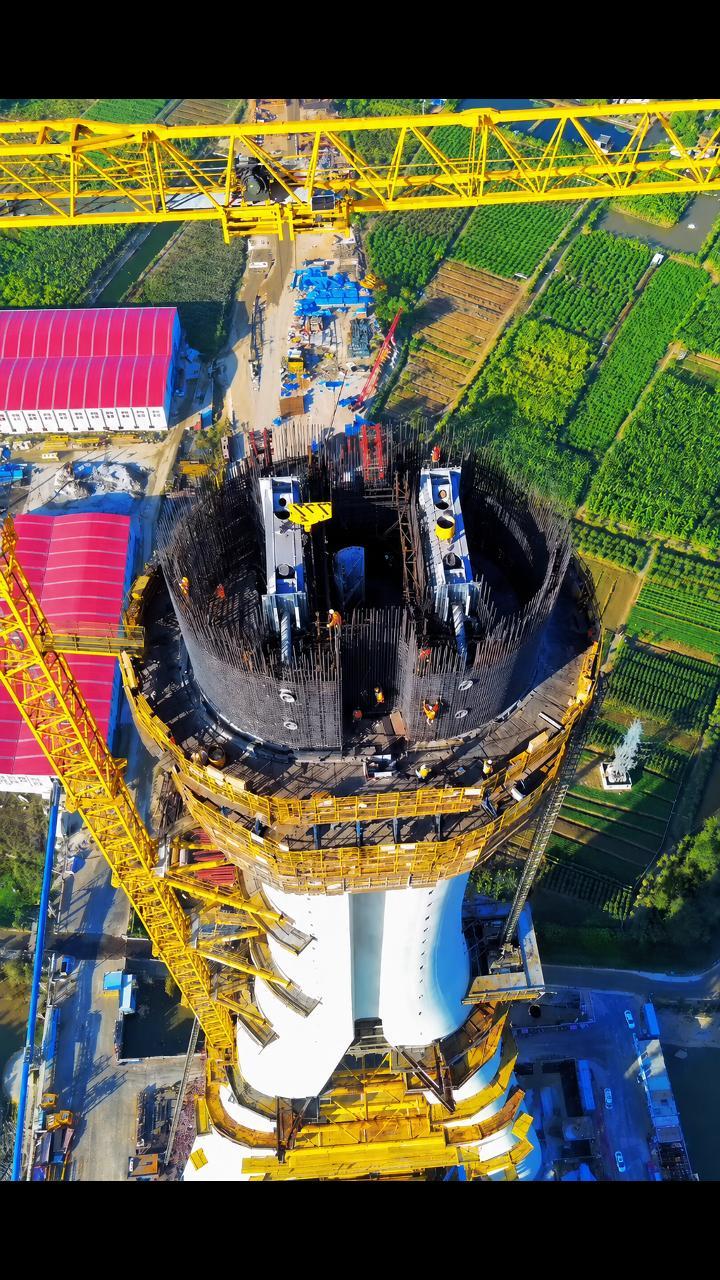
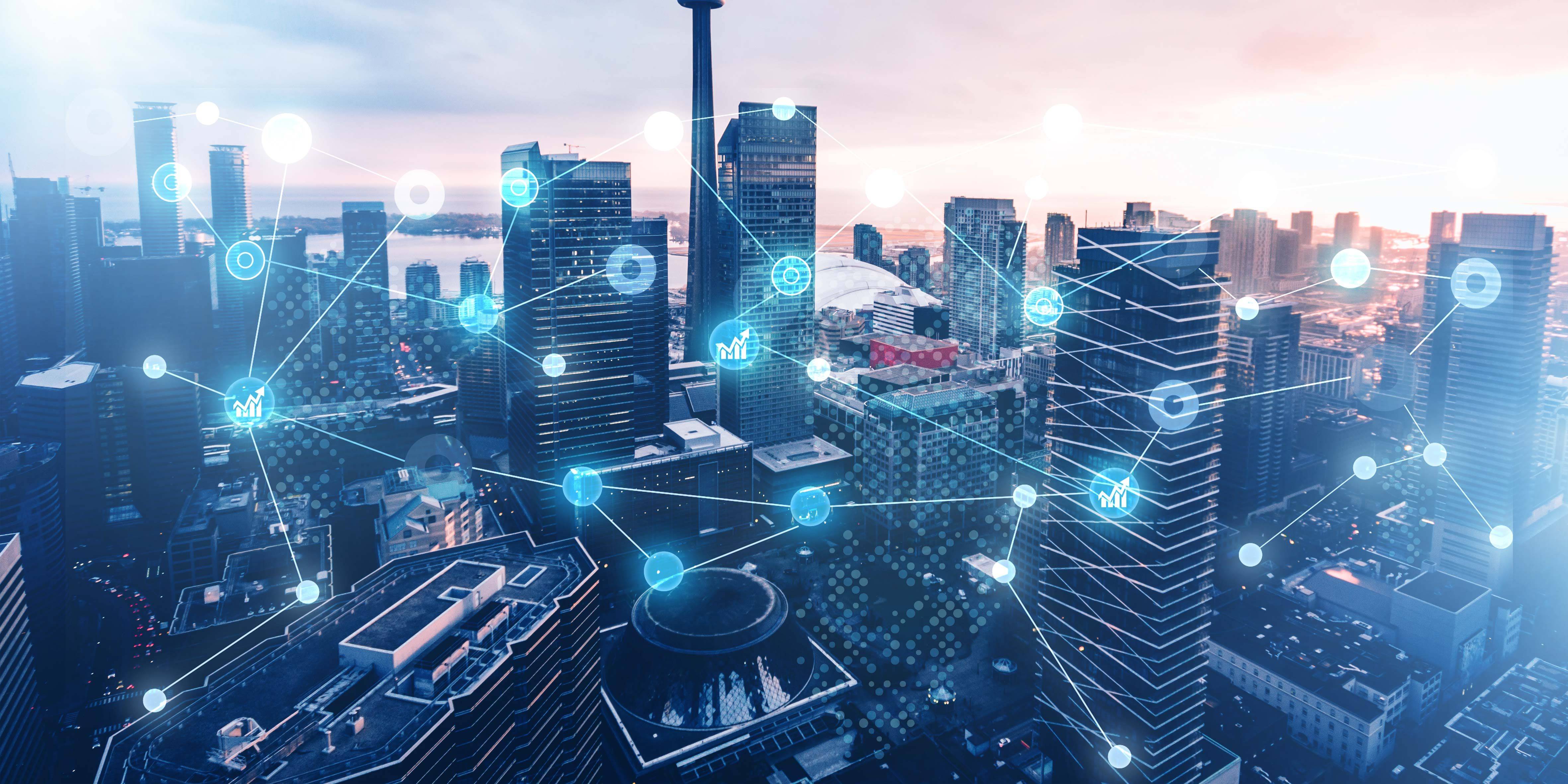
Smart technology is increasingly shaping how cities are designed, built, and maintained. Byintegrating Building Information Modeling (BlM) with loT sensors, modern urban construction ismoving from static planning to data-driven decision-making. These tools allow urban plannersand engineers to monitor structural health and resource consumption in real time, improvingefficiency, safety, and overall city resilience.

One of the most visible impacts of smart technology is in the construction phase itself. BlM enablesall stakeholders-architects, engineers, contractors, and city authorities-to work from a shareddigital model. This reduces design conflicts, minimizes rework, and shortens construction timelines.When loT sensors are added on-site, project teams can track equipment usage, material conditionsand environmental factors such as vibration or temperature, helping prevent costly errors beforethey occur.
Beyond construction, smart technology plays a critical role in building operation andmaintenance. Sensors embedded in buildings can continuously monitor energy use, indoor airquality, and structural stress. Instead of relying on scheduled inspections, cities can adopt predictivemaintenance, identifying potential issues early and extending the lifespan of urban infrastructure.This approach is particularly valuable for bridges, metro systems, and high-rise buildings in denseurban environments.
Related Products

RISITA explosion-proof air conditioning
Guangdong RISITA Air Conditioning Equipment Co.,Ltd.
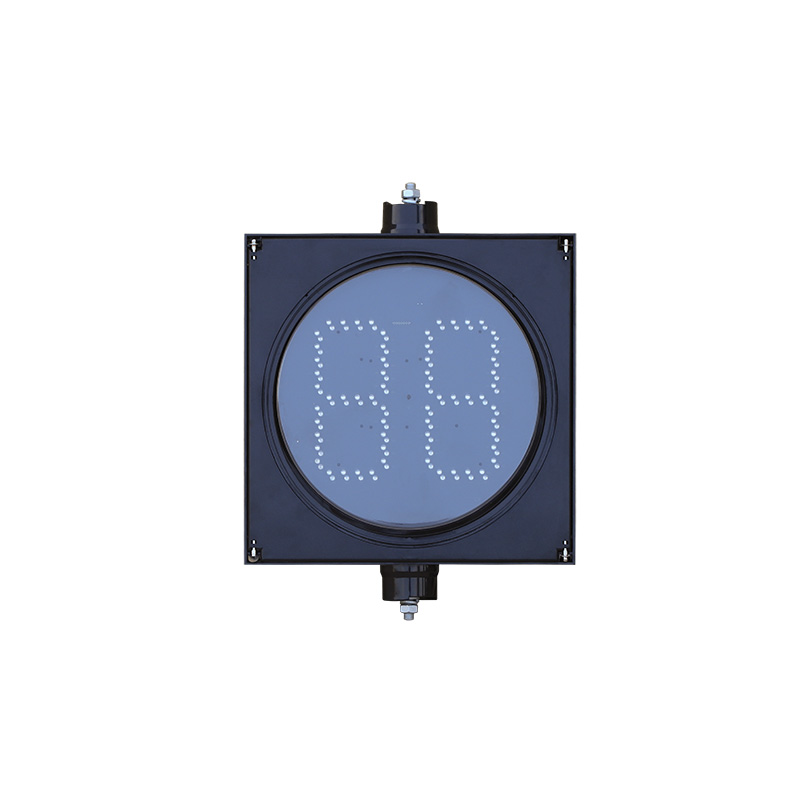
300mm Segment Type Countdown Traffic Light (Core Type)
Yangzhou FAMA Intelligent Equipment Co., Ltd.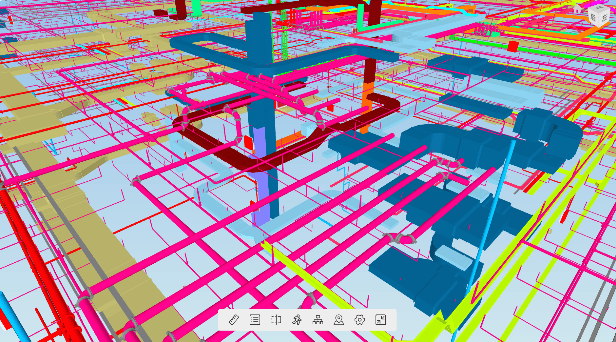

Acoustic Mineral Fiber Ceiling Tile 595x595x12mm
Shanxi Pano Trading Co., Ltd