Top Five Trends in the 2026 Energy Market: Accelerated Investment Transformation and Decarbonization
Wedoany.com Report on Feb 2nd, The global energy market in 2026 is expected to remain volatile, with geopolitical factors being as important as fundamentals. Affected by trade tariffs, global GDP growth may slow from last year's 2.8% to 2.5%, but the Federal Reserve's interest rate cut policy could make 2026 a cyclical low point.
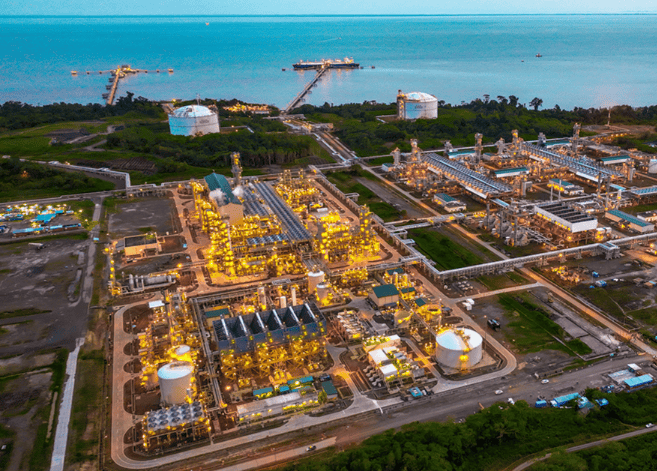
In the oil market, OPEC+'s strategy of curbing non-OPEC supply through price controls is showing results, with global liquid supply increasing by 2.5 million barrels per day, far exceeding the demand growth of 700,000 barrels. In the natural gas sector, a new wave of LNG supply led by the United States and Qatar will accelerate in 2026. Delivery prices in Europe and Japan have already fallen by two-thirds from the 2022 highs and are expected to potentially halve again by the early 2030s.
In the metals market, copper continues to attract attention due to growing electrification demand and supply disruptions, with countries strengthening their critical mineral supply chains. Power demand is surging due to artificial intelligence and data center construction, requiring grids to enhance disaster resilience, and energy affordability has become a focus.
In terms of energy investment, geopolitical tensions and weak commodity prices have caused a pause in investment growth. Since 2020, investment has grown by 41%, reaching $1.63 trillion in 2025. It is expected to decline by 4% to $1.58 trillion in 2026. However, to meet decarbonization needs, the upward trend in investment is expected to resume.
Corporate M&A activity will become more active. In the renewable energy sector, companies are reassessing their exposure to the US market, shifting their strategies towards mature assets. Oil companies need to balance tightened spending with resource acquisition, where M&A could become an important tool. Mining companies are seeking a balance between capital discipline and positioning for future demand.
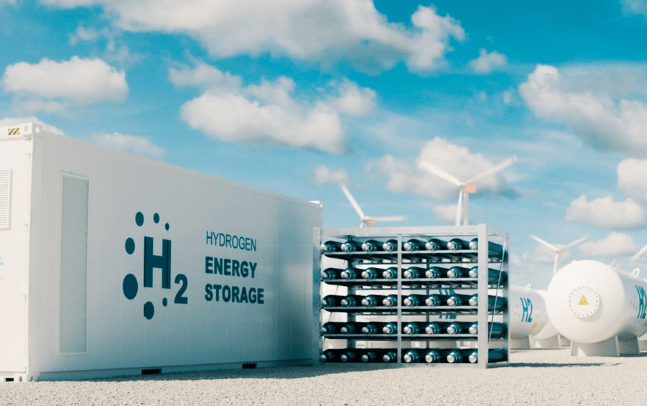
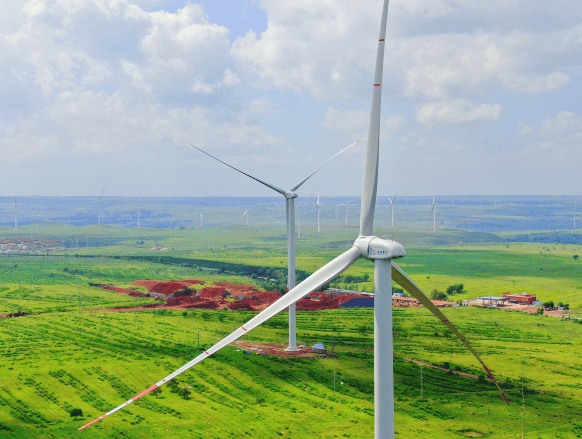
The decarbonization process shows several bright spots. Global new renewable energy capacity continues to surpass fossil fuels, with solar and wind installations expected to reach 4000 GW in 2026, exceeding fossil fuel operating capacity for the first time. Small modular reactor projects are expected to enter the construction phase, electric vehicle sales are projected to reach 24 million, and significant progress is also expected in the hydrogen sector.
Related Products


Electromagnetic Fluid Seawater Floating Oil Separation and Recover Equipment
Huate Magnet Group Co., Ltd.
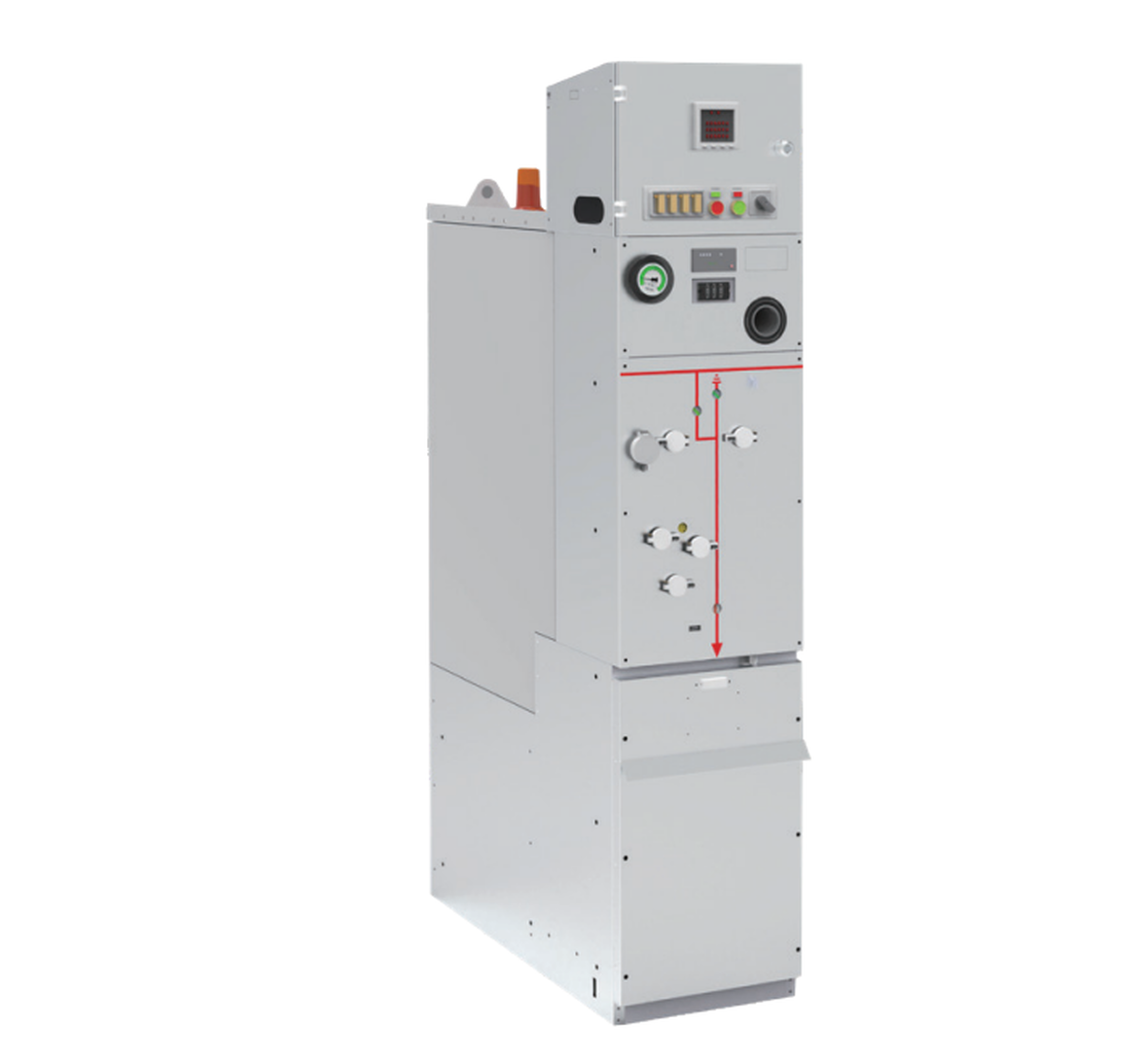
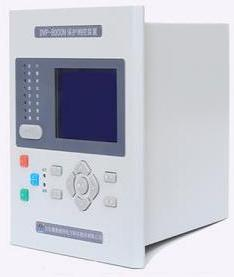
Microcomputer Protection and Substation Automation
Beijing Agent Devote Power Technology Development Co., Ltd.
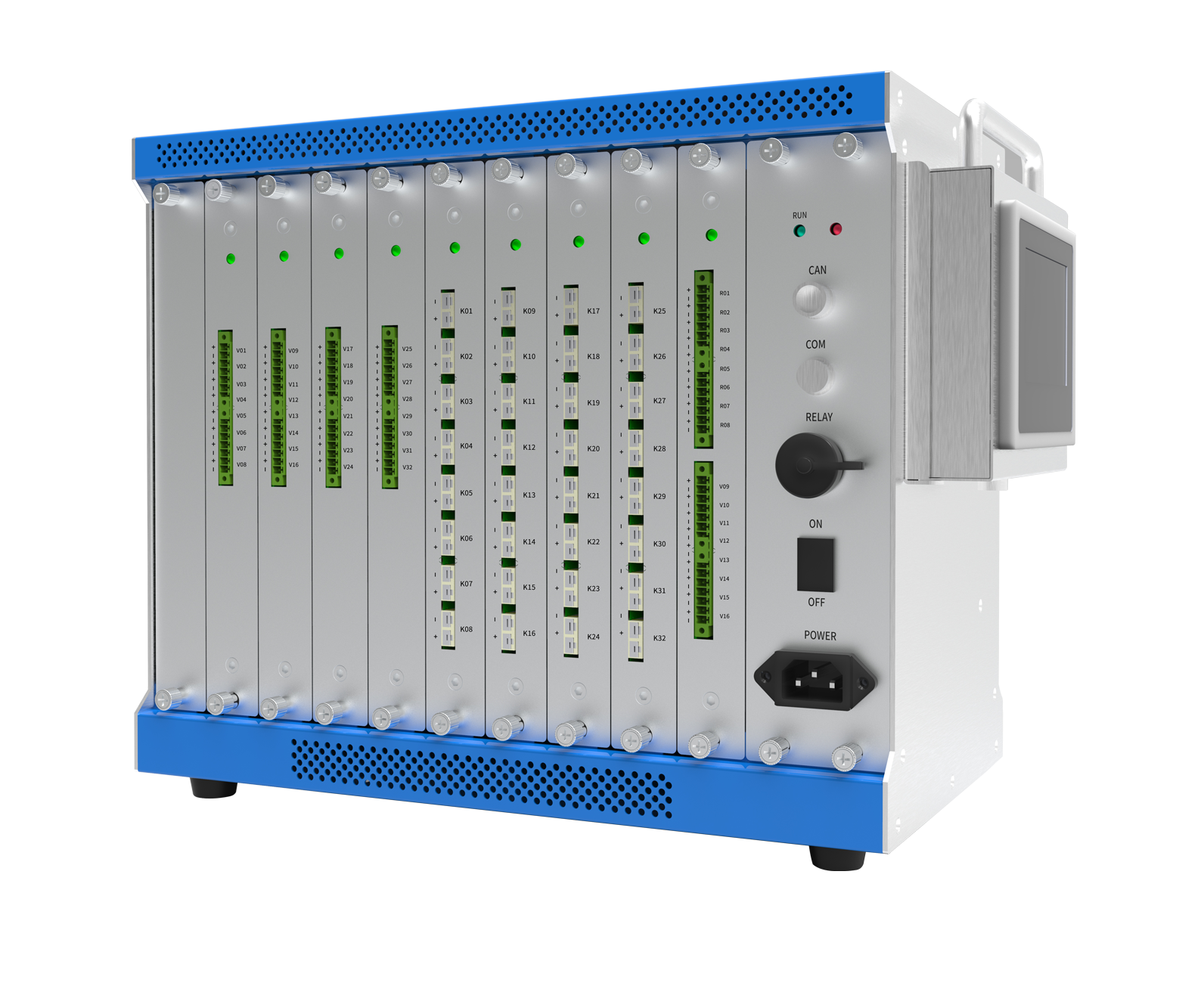
Optional Accessory - Auxiliary Sampling Module
Beijing Soaring Electric Technology Co., Ltd.