Edison-Inspired Nickel-Iron Battery Prototype Achieves Second-Level Charging, Durability Exceeds 12,000 Cycles
Wedoany.com Report on Feb 12th, An international collaborative study led by the University of California, Los Angeles has developed a nickel-iron battery prototype that charges in just seconds and maintains performance for over 12,000 charge-discharge cycles. This level of durability means the battery could last over 30 years if charged once daily.
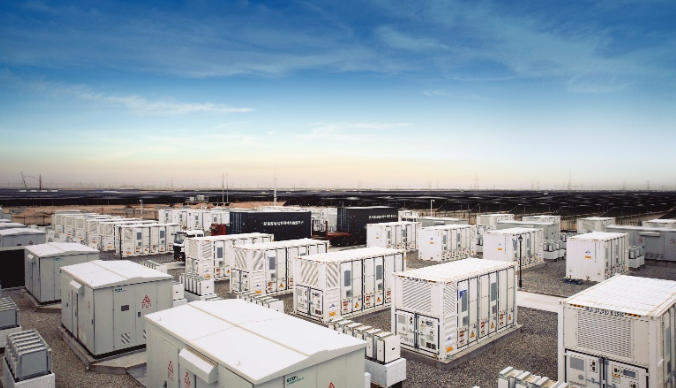
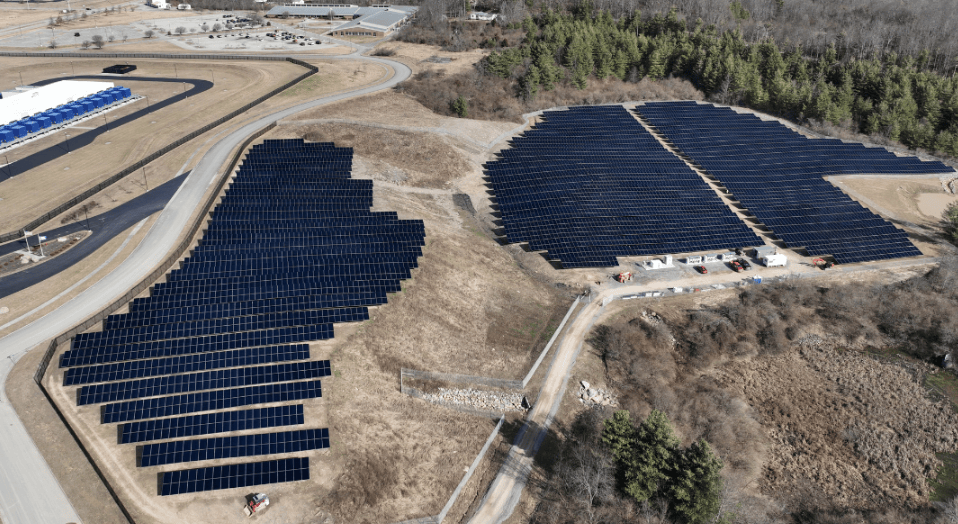
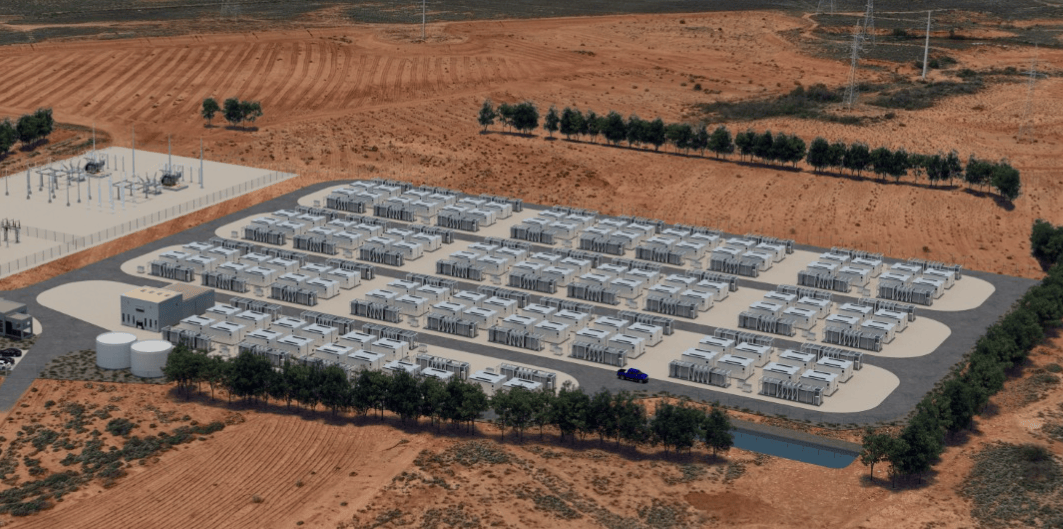
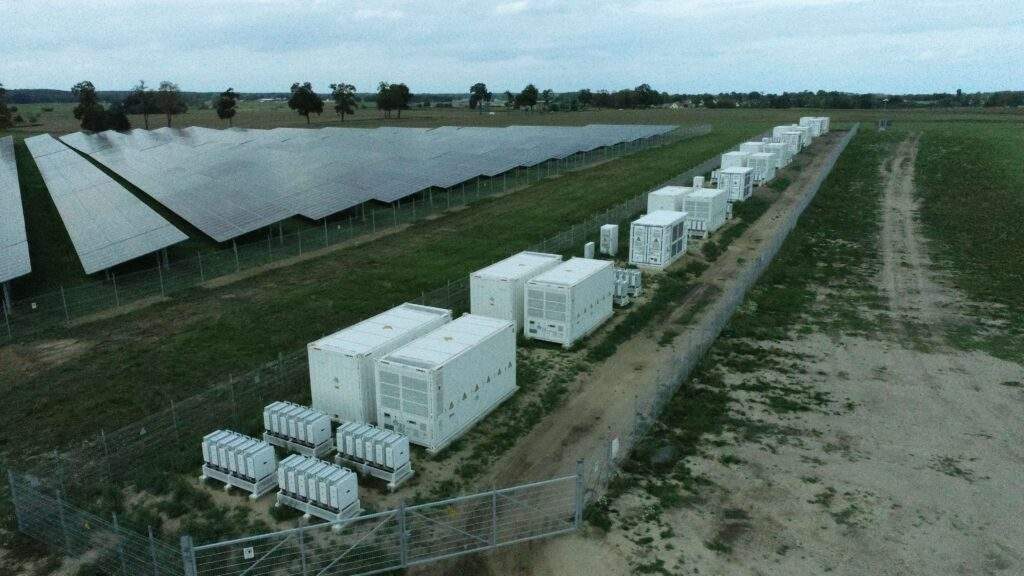
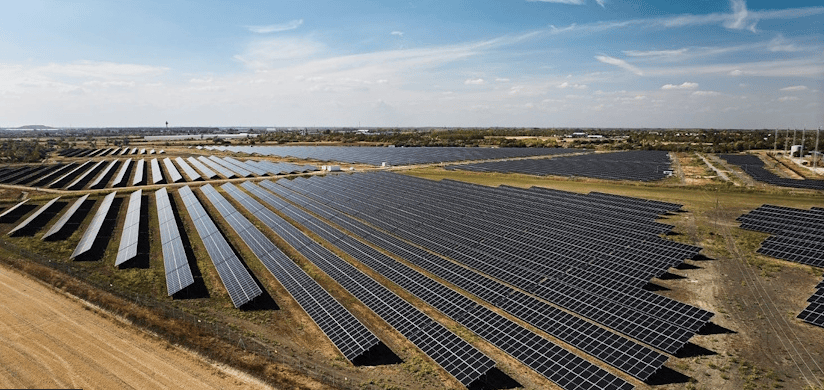
Researchers stated: "This technology features fast charging, high output, and exceptional durability, making it well-suited for storing excess electricity generated by solar farms during the day to power the grid at night."
"It could also be suitable for backup power systems in data centers."
However, the current prototype has not yet reached the energy density levels of lithium-ion batteries.
The technology uses nickel and iron clusters smaller than 5 nanometers, allowing 10,000 to 20,000 clusters to fit within the width of a human hair. Through this nanoscale design, researchers significantly increased the electrode surface area, enabling nearly every atom to participate in the electrochemical reaction. This efficient structure allows the battery to charge within seconds, far superior to the seven-hour charging time required by historical versions.
This advancement stems from a concept from 1900, when electric vehicles outnumbered gasoline-powered cars but had a range of only about 30 miles. Thomas Edison attempted to improve batteries using nickel-iron chemistry to achieve a 100-mile range, but the technology was later overshadowed by the internal combustion engine.
The new prototype utilizes two-dimensional graphene and protein templates to address the conductivity issues that previously limited this battery type. The research team used proteins from beef production as templates to grow the metal clusters and mixed them with single-atom-thick graphene oxide. The mixture underwent hydrothermal and high-temperature baking processes, converting the protein into carbon and embedding the nickel-iron clusters into the structure, forming an aerogel material that is 99% air by volume.
The improved battery performance is primarily attributed to its high surface area. The thin, porous structure of the graphene aerogel provides ample space for reactions, and the nanoscale metal particles further increase the surface area-to-volume ratio. Compared to traditional batteries, this shortens the ion travel distance and increases binding sites, enabling faster charging and discharging speeds.
Currently, researchers are exploring the use of other metals with the nanocluster technology and testing natural polymers as alternatives to bovine protein to facilitate large-scale production. Co-author Maher El-Kady noted in a press release: "Because this technology can extend battery life to several decades, it is well-suited for storing renewable energy or quickly taking over the grid during power outages."
"This helps mitigate risks associated with fluctuations in infrastructure costs." The team anticipates that, given its durability and rapid response capability, this technology could be used in the future for grid stabilization and managing the intermittent output of renewable energy.
Related Products


Prefabricated Houses and Electrical Energy Boxes
Chengdu Ruilong Machinery Manufacturing Co., Ltd.
LVB Series 35-500kV Oil-immersed Inverted Current Transformer
Shandong TaiKai Instrument Transformer Co., Ltd.
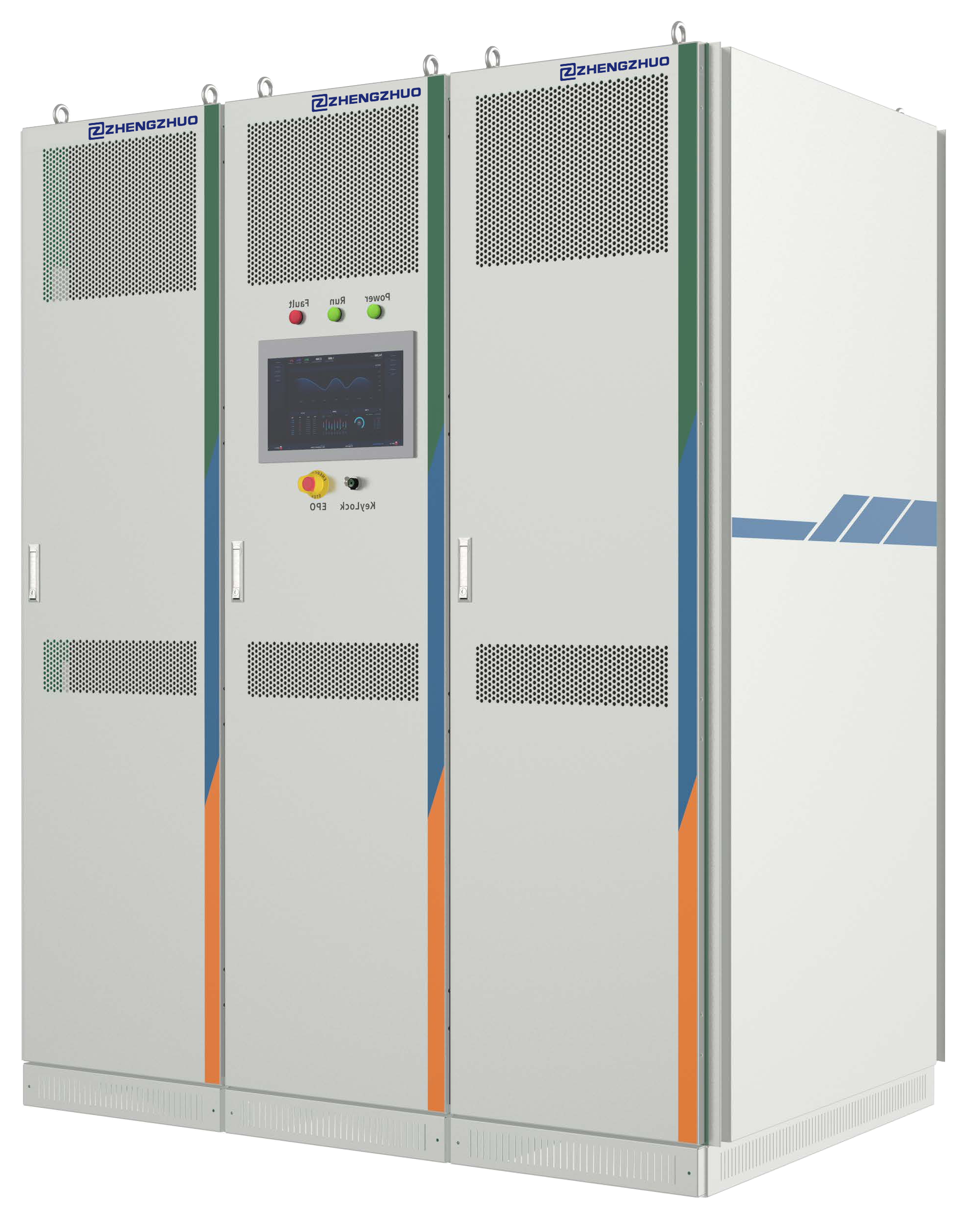
IGBT Hydrogen Production Power Supply - High Power Air Cooling
Beijing Zhengzhuo Engineering Technology Co., Ltd.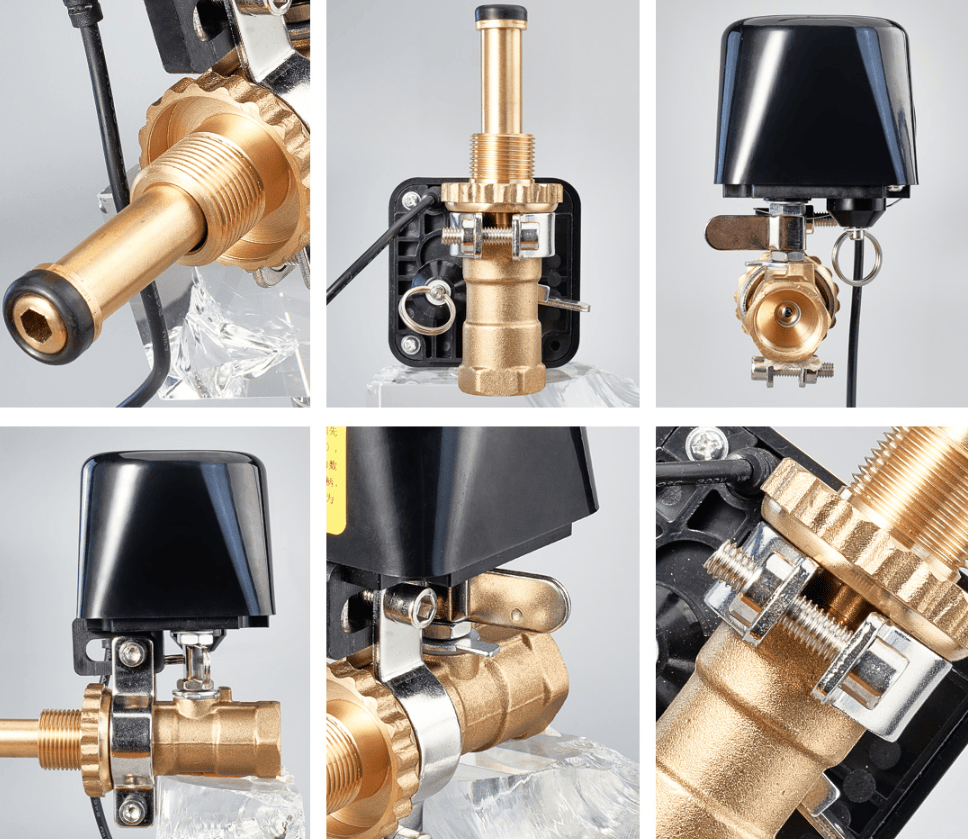
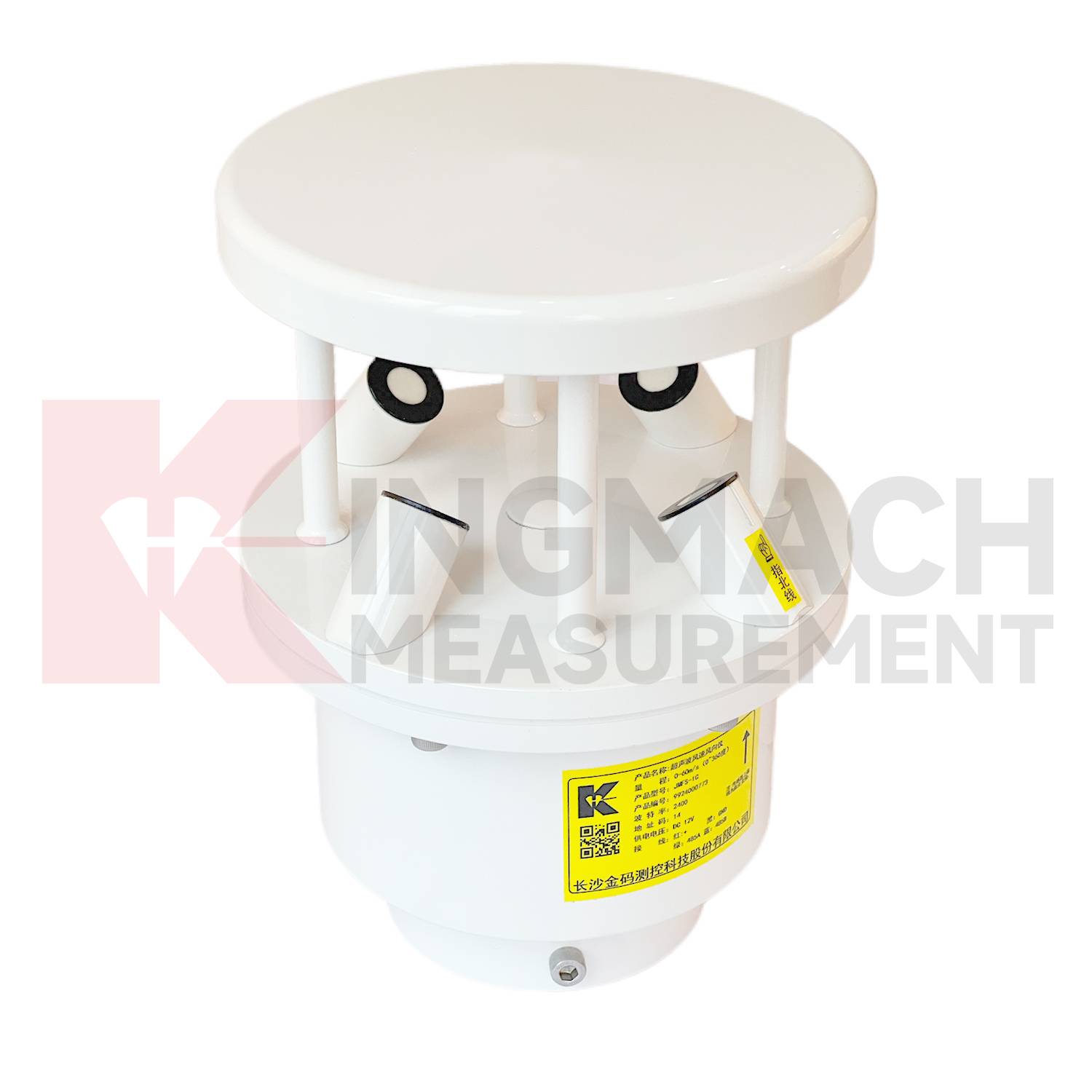
Ultrasonic Wind Speed and Direction Instrument
Kingmach Measurement & Monitoring Technology Co., Ltd.
G.652.D Wavelength-extended Non-dispersion Shifted Single-mode Optical Fiber
HONGAN GROUP CO., LTD.
CAP1400 main feedwater flow nozzle flowmeter.
Jiangsu Hongda Instrument Technology Co., LTD.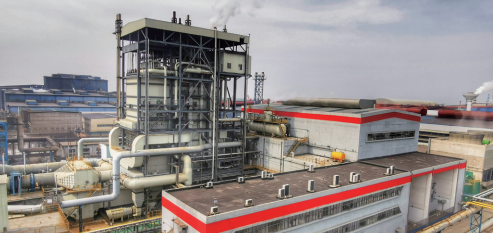
Jiujiang Pinggang 125MW Subcritical Gas Power Generation Project
Capital Engineering & Research Incorporation Limited