AI Reshapes Corporate Recruitment Strategies, Coordinated Deployment Becomes Key
Wedoany.com Report on Feb 15th, Artificial intelligence is profoundly transforming how companies acquire talent, yet many business leaders remain uncertain about specific implementation strategies. According to research by global talent acquisition partner AMS, which surveyed 300 Chief Human Resources Officers and executive team leaders, 47% of respondents indicated that their HR function and the broader management team hold differing views on the application of AI in recruitment.

The research reveals a disconnect between the perceived importance of AI and its actual deployment. 69% of respondents believe that failing to further implement AI will cause their talent pool to lose competitiveness, yet 89% admit their companies are not using AI across all recruitment functions. This gap could leave organizations at a competitive disadvantage. AMS CEO Gordon Stewart emphasized: "Leaders agree that AI will define the next era of talent strategy, but coordination lags behind capability. Bridging this gap is a business imperative; companies lacking a coordinated approach may fall behind in the talent market."
Large corporations are demonstrating how AI can transform recruitment processes. McKinsey requires job candidates to use its internal AI tool, Lilli, during the final interview stage, with recruiters assessing the candidate's ability to think collaboratively with AI. Microsoft is also adjusting its recruitment approach with AI at the center. CEO Satya Nadella stated: "We will increase headcount, but new hires will be more leveraged than before AI." New employee evaluations will be based on their ability to use AI to amplify their role's impact.
According to the AMS report, leading organizations prioritize AI in recruitment, with 67% of respondents citing efficiency as the primary motivation. However, 43% expect most or all talent acquisition processes to be AI-led by the end of 2026, making the establishment of formal AI ethical guidelines crucial. The study points out that when executive teams are divided on AI application, the need for a governance framework becomes particularly pronounced. Stewart said: "Leaders who now integrate the ethical use of AI into talent processes will outperform their peers as AI proficiency and value continue to grow." Organizations need to develop comprehensive strategies, coordinate teams, establish ethical frameworks, and integrate AI capabilities to remain competitive.
Related Products



Mine Explosion-proof and Intrinsically Safe Industrial Ethernet Ring Network (10 Gigabit/Gigabit)
Chongqing Mas Sci&Tech Co., Ltd.


Multi-function Marine Monitoring Low-altitude Detection Radar Sea-air Boundary Ocean Dynamic Environment Measurement
Chengdu Dixin Technology Co., Ltd.
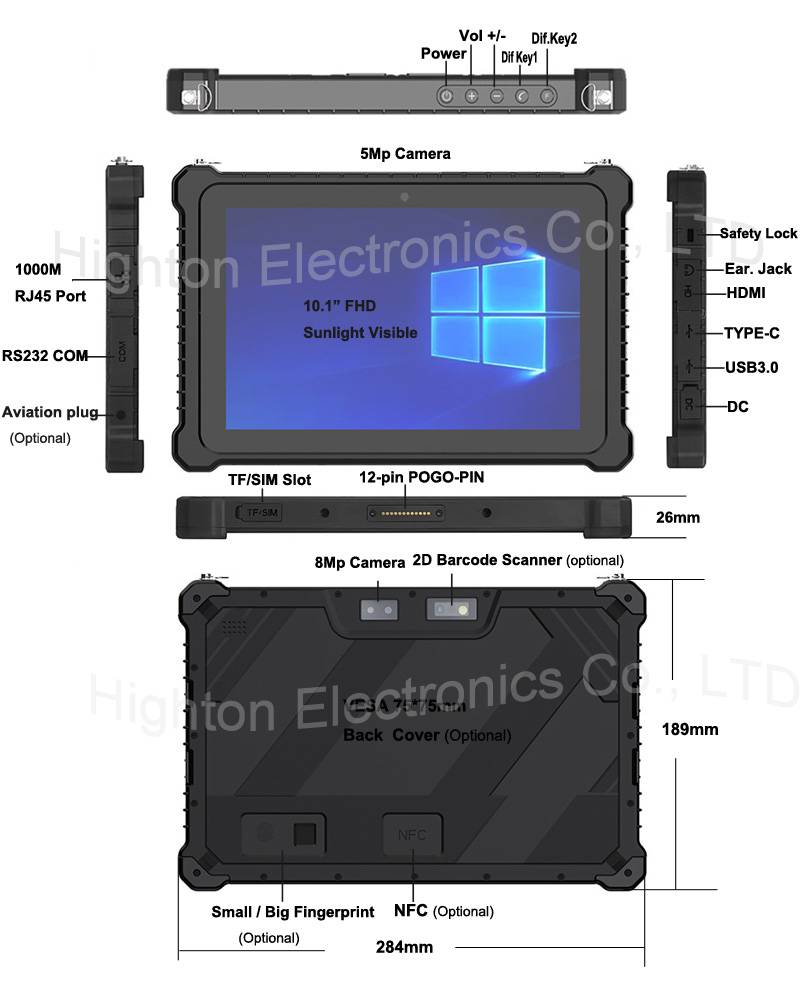
Hot Selling 10 Inch Intel N5100 I5 I7 FHD 8 +128GB 16+256GB Win10 Pro Win11 Pro 4G 5G Rugged Tablet PC Pad with NFC Barcode
Highton Electronics Co., Ltd.
Industrial and Commercial Point-Type Gas Detector
Jinan Benan Technology Development Co., Ltd.
Automatic Aiming Laser Remote Obstacle Removal Robot
Pinggao Group Weihai High-Voltage Apparatus Co., Ltd.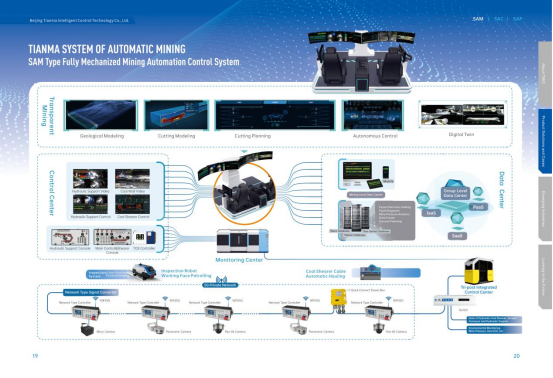
Comprehensive Mining Automation Control System
Beijing Tianma Intelligent Control Technology Co., Ltd.

TWP16 P-Band Tropospheric Wind Profile Radar
China Huayun Meteorological Technology Group Co., Ltd.