The PSJ Cobre Mendocino project is deepening its feasibility stage by assembling a multidisciplinary team of over 300 professionals and advancing infill drilling activities. This phase involves an investment of $15 million, aiming to optimize geological, operational, and economic parameters in preparation for a potential construction decision. Located in the Uspallata area of Mendoza Province, Argentina, the project recently obtained its Environmental Impact Statement (EIA) and plans to build an operational facility focused on copper concentrate production.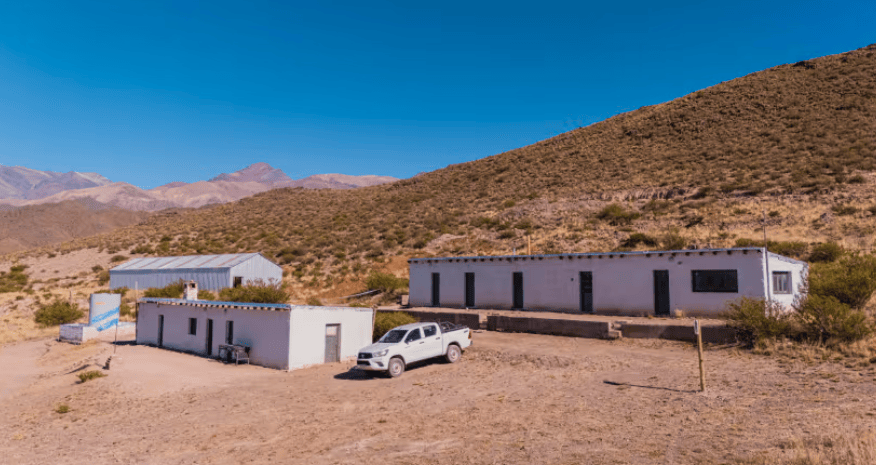
Led jointly by Switzerland's Zonda Metals and Argentina's Alberdi Energy, the PSJ Cobre Mendocino project has an estimated total investment of approximately $560 million. According to parameters disclosed during the pre-feasibility stage, the project is expected to produce 40,000 tonnes of refined copper annually from concentrate and is at the forefront of technical progress among copper projects in Argentina. Its development is drawing industry attention as it could become the first project to restart copper production in the country after years without new metal mine operations.
The multidisciplinary team includes engineering consulting firms, specialized laboratories, and local companies such as Distrocuyo, GT Ingeniería, Alex Stewart International Argentina, Knight Piésold, and Gestión Compensaciones & Capital Humano. Together, these teams are working to integrate engineering, laboratory analysis, and operational support to consolidate the project's technical foundation. Company CEO Fabián Gregorio stated: "From the PSJ project, we reaffirm our commitment to Mendoza and the development of its productive structure. Except for certain specific cases related to expertise inherent to new industries in the province, our goal is to award at least 90% of contracts to Mendoza-based companies, prioritizing capability and experience."
The feasibility study is a core phase in mining development, allowing for the review of economic assumptions, optimization of engineering design, and reduction of uncertainties based on more precise information. The simultaneous involvement of over 300 experts reflects the scale of work to integrate new geological, metallurgical, and infrastructure assessments into the project model. From a technical perspective, the deposit is planned to produce copper concentrate through conventional crushing, grinding, and flotation processes, integrating processing and logistics facilities adapted to the high-altitude conditions of the Uspallata region.
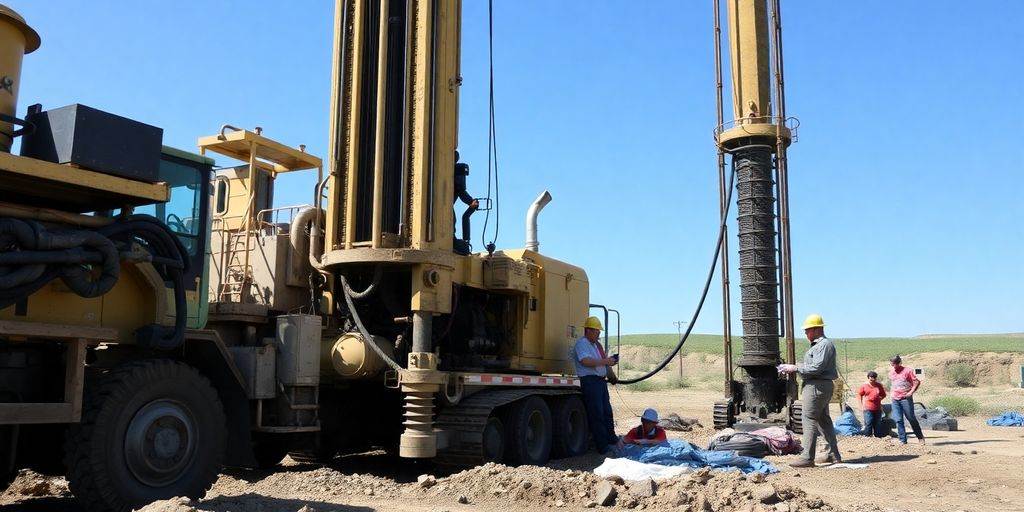
Parallel to the deployment of the technical team, the PSJ Cobre Mendocino project announced the advancement of infill drilling work by Conosur, aiming to increase information density within known areas of the deposit. Infill drilling involves conducting additional boreholes to improve the continuity of the mineralization model and enhance resource confidence. Technically, infill drilling is crucial in feasibility studies as it provides data to optimize mine planning, adjust geotechnical parameters, and support economic estimates. Gregorio added: "To date, approximately 300 specialized professionals from companies with extensive experience in the province have indirectly joined the team already working on the project. This is a clear example of the indirect employment generated by mining."
With the integration of the multidisciplinary team, the progress of infill drilling activities, and the acquisition of the Environmental Impact Statement, the PSJ Cobre Mendocino project continues to consolidate its technical phase, paving the way for future construction. Positioned as one of the more advanced projects in Argentina's copper sector, it is expected to have a positive impact on the local economy.