LME Aluminum Price Rises 1% Week-on-Week, Supported by Inventory Drawdown and China's PMI
In the week ending February 13, 2026, the benchmark aluminum price on the London Metal Exchange (LME) showed a modest increase, rising 1% week-on-week. The price gain was primarily driven by tightening global supply and improving demand in China, with market sentiment buoyed by optimistic forecasts.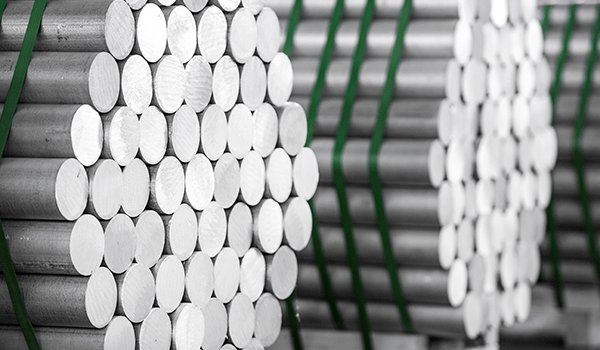
The average LME aluminum price for the week was $3,100 per tonne, up $29 from the previous week. The price opened around $3,108 per tonne at the start of the week, peaked at $3,146 per tonne mid-week, and eventually settled at $3,028 per tonne. Meanwhile, LME aluminum inventories decreased from 494,295 tonnes to 485,360 tonnes, a week-on-week drop of 1.8%, with the inventory outflow providing support for aluminum prices.
Factors contributing to the rise in aluminum prices include tight global supply and positive demand indicators. Goldman Sachs raised its price forecast for the first half of the year to $3,150 per tonne, citing low global inventories and electricity constraints affecting new smelters in Indonesia. Production disruptions in Iceland, Mozambique, and Australia have also intensified short-term supply pressures. On the demand side, China's Manufacturing Purchasing Managers' Index (PMI) rose to 50.3, indicating economic expansion, while the People's Bank of China maintained accommodative monetary policies to support growth. However, rising inventories in China and Japan somewhat limited the upside for aluminum prices.
Looking ahead, aluminum prices are expected to remain firm in the near term, supported by tight global supply and positive demand signals from China. However, rising inventories and record production in China may cap further gains. Price movements will focus on macroeconomic factors, inventory changes, and power supply conditions at key smelting hubs.
Related Products
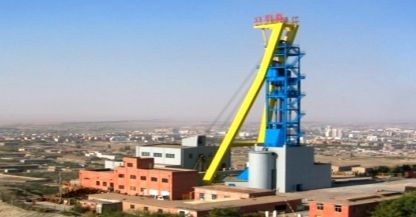

Core Technologies of the Mining Technology and Equipment Business Unit: Efficient Mining Methods and Processes
CHANGSHA INSTITUTE OF MINING RESEARCH CO., LTD.
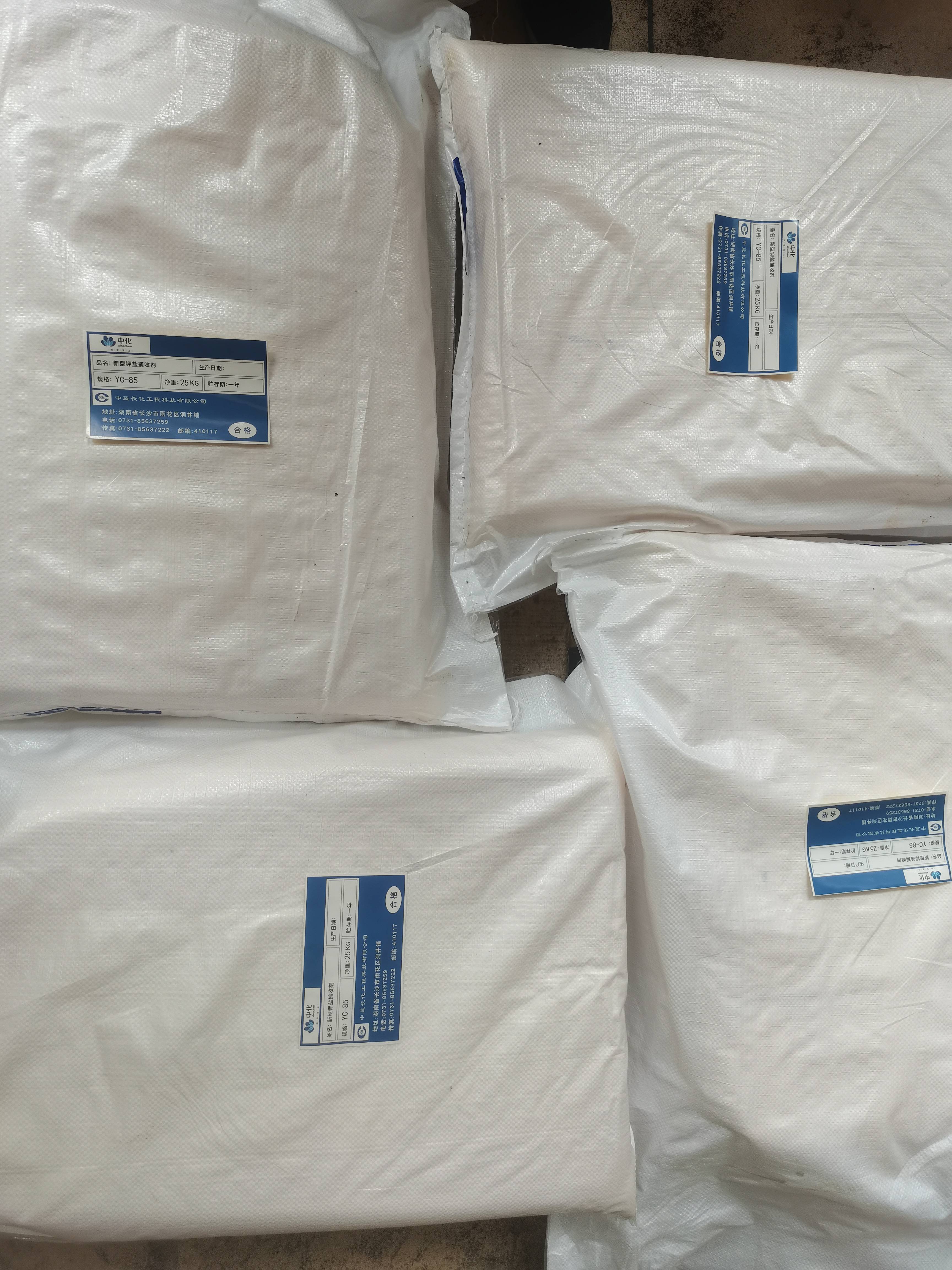
New Environmentally Friendly Green Potassium Salt Collector
Chonfar Engineering and Technology Co., Ltd.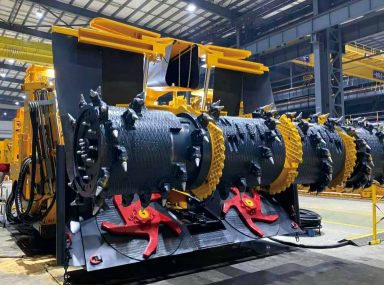
Integrated Excavation and Anchoring Machine (EJM Series)
China Railway Construction Heavy Industry Corporation Limited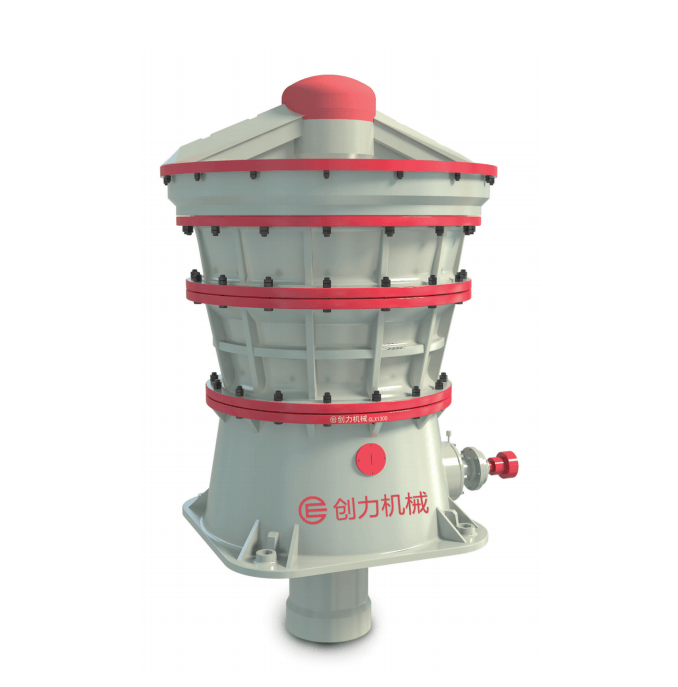
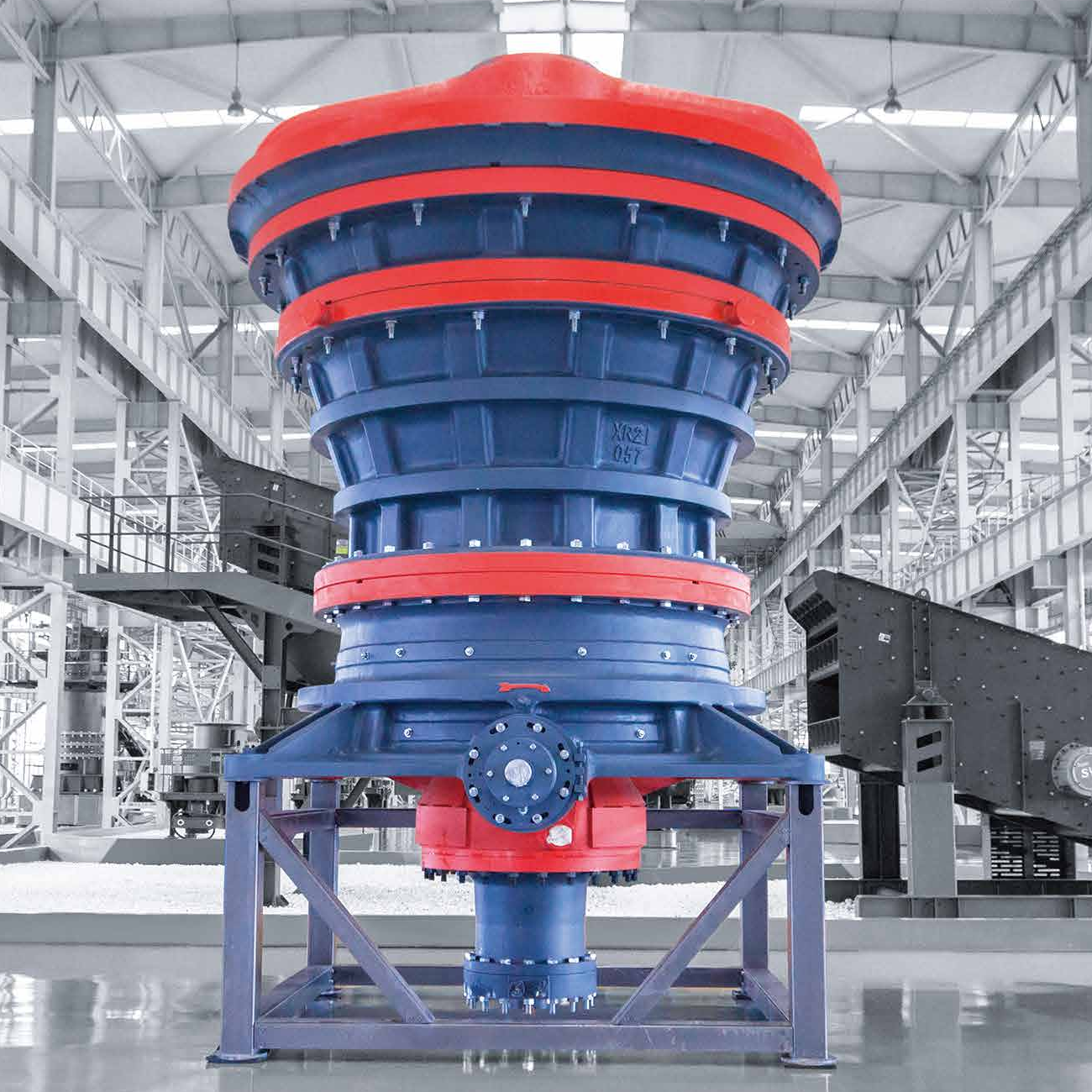
CLX Series Intelligent Hydraulic Gyratory Crusher
Guangdong CHUANGLI intelligent machinery Equipment Co., LTD