
| Notice Type | Tender Notice |
|---|---|
| Notice Number | 128683581 |
| Description |
Project Name: Ecological Restoration of Asphalt Roads in the Grand Site de l'Estérel Notice Reference: 26-15131 Procurement Type: Works CPV Code: 45112500 (Site clearance and earthmoving work) Tendering Procedure: Open Adaptive Tender Procedure Lot Division: Not divided into lots, awarded as a single contract Project Location: Fréjus (83600), Var Department, France Contract Duration: 1 month Project Description: This project involves the ecological restoration of three asphalt roads within the jurisdiction of Fréjus. Two of these roads are forest fire access roads under the framework of the Intercommunal Plan for Forest Fire Prevention Clearance and Forestry Planning (PIDAF) of the Estérel. The main works include, but are not limited to: Road 1 (PIDAF North Line Fire Access Road)Length: Approximately 1.8 km Current Condition: 4.5-meter wide asphalt pavement, partially damaged, with vegetation encroachment on both sides Functional Role: Main forest firefighting access road, connecting the northern forest area of Fréjus to the departmental fire emergency network Ecological Sensitivity: Traverses Mediterranean scrubland and the edge of cork oak forests, involving habitats for rare bird species Road 2 (PIDAF South Line Fire Access Road)Length: Approximately 2.2 km Current Condition: 3.5-meter wide asphalt pavement, with multiple areas of settlement and failed drainage facilities Functional Role: Secondary firefighting access road and connector to hiking trails in the scenic area Ecological Sensitivity: Adjacent to seasonal wetlands, requiring high soil permeability Road 3 (Internal Scenic Area Connector)Length: Approximately 1.2 km Current Condition: 4-meter wide asphalt pavement, with aging surface and clogged side ditches Functional Role: Low-volume tourist traffic and ecological education trail Ecological Sensitivity: Traverses cork oak forests, with high landscape visual sensitivity Technical Requirements Existing Pavement Removal and Material RecyclingPavement Saw Cutting Use diamond saw blades or milling machines for longitudinal and transverse cutting of the asphalt surface layer Cutting Depth: Determined based on structural layer thickness, generally not less than 6 cm Cut edges must be straight and neat to avoid irregular disturbance to the base layer Use low-vibration cutting techniques near tree root zones, establishing root protection buffer areas Pavement MillingMilling Thickness: 4-6 cm (surface layer), deepening to 8-10 cm at locations with base layer damage Milling Width: Full-width or partial-width implementation according to the design cross-section Milled Material Particle Size Control: ≤30 mm to facilitate subsequent recycling Simultaneously spray water mist during milling to suppress dust and control dispersion Milled Material Handling and Recycling Milled asphalt mix must be sorted and stockpiled on-site; mixing with debris is strictly prohibited Encourage On-site Recycling: After crushing and screening, use as subbase or base course aggregate Non-recyclable parts must be transported to licensed waste disposal sites with accompanying disposal manifests Material Utilization Target: ≥70% Subgrade Shaping and CompactionMilled Material Leveling The exposed top surface of the base layer after milling must be leveled Fill local depressions with recycled milled material, laid in layers Leveling Tolerance: ±2 cm / 3-meter straightedge Compaction WorkCompaction Machinery: Vibratory roller over 12 tons; use small rammers for edges and areas near trees Number of Compaction Passes: Not less than 4 (2 static passes + 2 vibratory passes) Compaction Degree Requirement: ≥95% (Modified Proctor method) Moisture Content Control: Within ±2% of the optimum moisture content Subgrade FormationCross Slope: 2% - 3%, ensuring smooth surface runoff Longitudinal Slope: Maintain original design grade; adjust to ≥0.5% at localized ponding sections The subgrade surface should be level, compacted, free of wheel ruts, and free of loose material Road Alignment Reshaping and Longitudinal Grade AdjustmentHorizontal Alignment Optimization Retain the overall original road alignment; moderately widen curves with insufficient radius Minimum Curve Radius: ≥15 m (fire access roads) / ≥10 m (scenic area connector) Use gradual transitions for widened sections, with a transition rate ≤1:10 Vertical Profile AdjustmentIncrease longitudinal grade to above 0.5% at ponding sections Provide gentle slope sections where grade length exceeds 200 m Vertical Curve Radius: Convex ≥300 m, concave ≥200 m Cross-section ReshapingRoadway Width: Maintain original width for fire access roads (3.5 - 4.5 m); moderately narrow scenic area connector to 3 m Use natural edge finishing, eliminate curbs, and achieve smooth transition with surrounding terrain Provide permeable shoulders or grassed swales on both sides, width 0.5 - 1.0 m Hydrological Management Facility InstallationSurface Runoff Diversion Cross Slope Guidance: Roadway cross slope 2% - 3%, directing runoff to one or both sides of the road Install Spaced Outlet Openings: One every 20 - 30 m, width 0.5 m, to allow dispersed runoff into roadside vegetation zones Concentrated drainage directly impacting slopes or gullies is strictly prohibited Grassed Swale SystemLocation: One or both sides of the road, flexibly arranged according to existing topography Cross-section Form: Trapezoidal or parabolic, bottom width 0.3 - 0.5 m, depth 0.2 - 0.4 m Side Slope Gradient: 1:2 - 1:3 Vegetation: Sow native drought-tolerant grass species (e.g., *Miscanthus sinensis*, fescue, Bermuda grass), coverage ≥90% Function: Detention, filtration, infiltration, and peak flow reduction Culverts and Low-water CrossingsInstall precast concrete pipes or stone masonry box culverts at seasonal gullies Culvert Diameter: ≥400 mm, with inlet/outlet protection and energy dissipators Use low-water crossings for low-flow channels: road surface smoothly connects to channel bottom, allowing shallow water flow French Drains and Catch Basins Install gravel-filled French drains in localized depressions, cross-section 0.3 m x 0.4 m, wrapped in geotextile Catch basins are only permitted in extreme ponding areas, paired with subsurface infiltration/drainage systems Soil and Water Conservation Measures Install temporary sediment basins downstream of grassed swales during construction Cover exposed slopes and temporary stockpile areas with biodegradable geotextile or sow fast-growing grass seeds Restore vegetation on construction access roads; no bare ground shall remain Special Ecological Restoration RequirementsVegetation Restoration All disturbed ground surfaces must be revegetated during the first planting season after project completion Priority use of native shrubs (e.g., rosemary, lavender, rockrose) and herbaceous plants Introduction of invasive alien species (e.g., black locust, *Rhus typhina*, Canadian goldenrod) is prohibited Wildlife Passage Protection Install temporary barriers along forest edge sections during construction to minimize disturbance to amphibians and reptiles Culverts shall also serve as small wildlife passages; lay natural gravel on the culvert bottom Landscape Integration Use light-colored gravel or permeable stabilized crushed stone for road surface materials, harmonizing with the surrounding natural environment Use of white reflective materials and high-saturation road markings is strictly prohibited Road edges should transition naturally, avoiding artificial appearance Quality Control and Acceptance StandardsMaterial Testing Milled Recycled Material Gradation: Sample once per 500 cubic meters Compaction Degree Testing: One test point per 200 meters, using sand cone method or nuclear density gauge Geometric Dimension AcceptanceRoadway Width: Allowable deviation ±5 cm Cross Slope: Allowable deviation ±0.5% Surface Levelness: ≤1.5 cm / 3-meter straightedge Hydrological Function AcceptanceGrassed Swales: No ponding 24 hours after rain Low-water Crossings: Even sheet flow, no concentrated scouring Culverts: Smooth flow, no siltation at inlet/outlet Ecological AcceptanceVegetation Coverage: ≥80% by end of first growing season, ≥90% by end of second growing season No invasive alien species present Soil Loss: ≤2 tons/hectare/year Environmental Protection Measures During ConstructionDust Control Milling and crushing operations must be equipped with mist cannons or water trucks Transport vehicles must be covered; wash vehicles upon exiting the site Suspend dust-generating operations when wind speed exceeds level 6 Noise Control Prohibit high-noise operations between 22:00 and 07:00 the next day Install temporary noise barriers near residential areas Waste Management Sort and stockpile milled material, waste concrete; clear regularly On-site burial or random dumping is strictly prohibited Conduct comprehensive site cleanup and restoration after construction Schedule and Resource Allocation ProposedPlanned Duration: 25 consecutive working days (extended during rainy season) Construction Window: Recommended to avoid the peak bird breeding season (April-May) and extreme heat (July-August) Personnel Allocation: Project Manager: 1, Site Supervisors: 2, Equipment Operators: 4, Laborers: 6 Main Equipment: Milling machine: 1, Roller: 1, Small excavators: 2, Dump trucks: 2, Water truck: 1 Site Visit Requirements: Mandatory Site Visit: Yes Site Visit Method: Bidders must independently visit the site before submitting their bid and bear the corresponding responsibility. The Tendering Authority will not organize a unified site visit. Bidders must declare in their bid documents that they have independently conducted the site visit and fully understand the site conditions. Tender Rules: Bid Submission Platform: French Public Procurement Electronic Platform Negotiation Procedure: Not applicable (direct evaluation) Qualification Requirements: Specific qualification conditions and documentary evidence requirements are detailed in the "Tender Rules Document" Mainly include: Professional Qualification: Possess legal qualification for undertaking public works contracts Economic and Financial Capacity: Turnover for the past three years, bank credit certificate, or professional risk insurance Technical and Professional Capacity: List of similar project experience in the past three years, description of construction equipment configuration, qualification certificates of the technical manager |
| Documents |  Attachment.pdf (102.08 K) Attachment.pdf (102.08 K) |
Expired Tender for Ecological Restoration of Asphalt Roads in the Grand Site de l'Estérel Joint Management Public Establishment
| Organization | Syndicat Mixte du Grand Site de l'Estérel | Country | France |
|---|---|---|---|
| Contact | M. Carli | Tel. | View more |
| View more | Address | FREJUS | |
| Release Date | 2026-02-25 | Validity | 2026-04-01 |
Details
The tender information on this website is provided for reference only. If you intend to bid, please verify the authenticity and accuracy of the information with the tendering party. Our company reserves the right to adjust website content at any time and assumes no direct or indirect liability for it.Email: news@wedoany.com
Related Tenders
Related Products
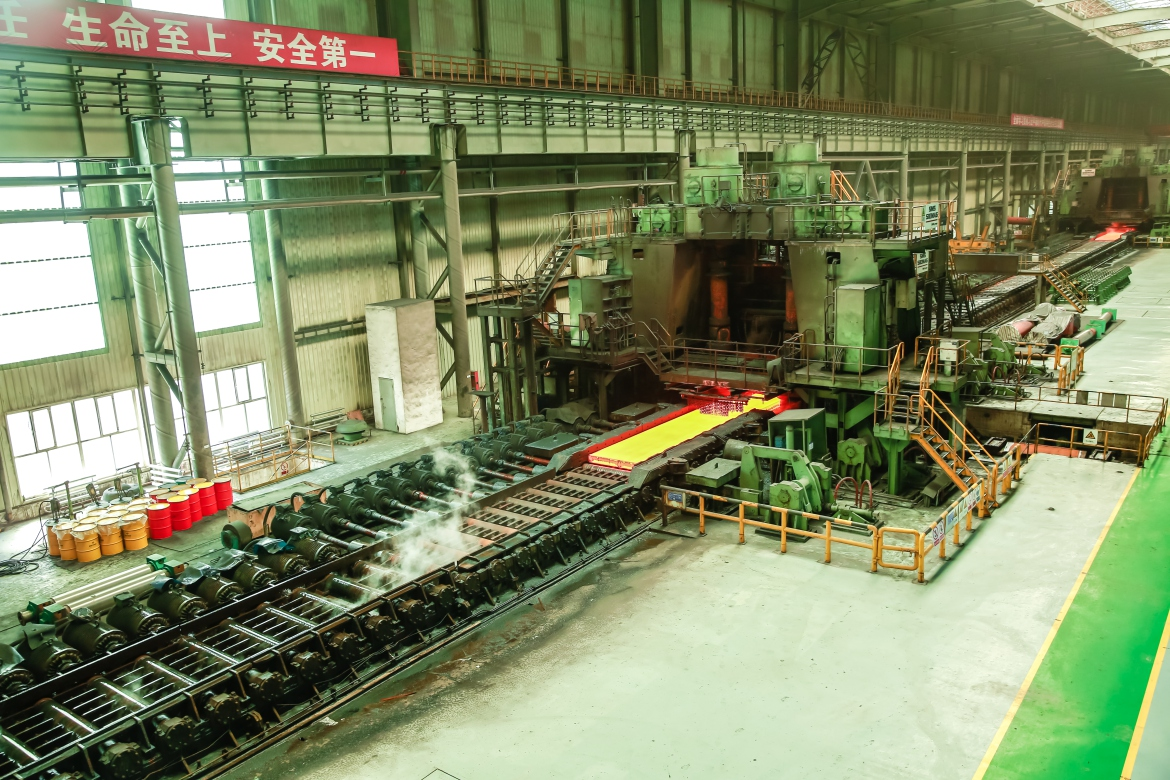
Hot-rolled Products
Negotiable
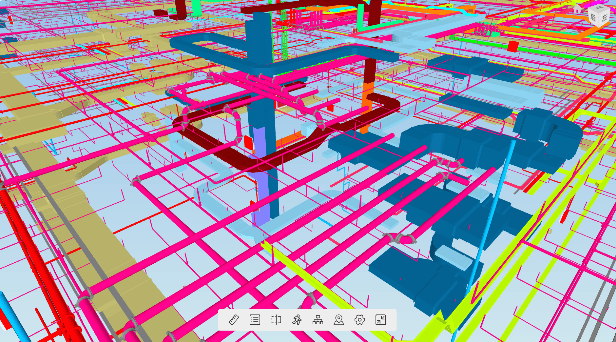
Pinming CCBIM
Negotiable
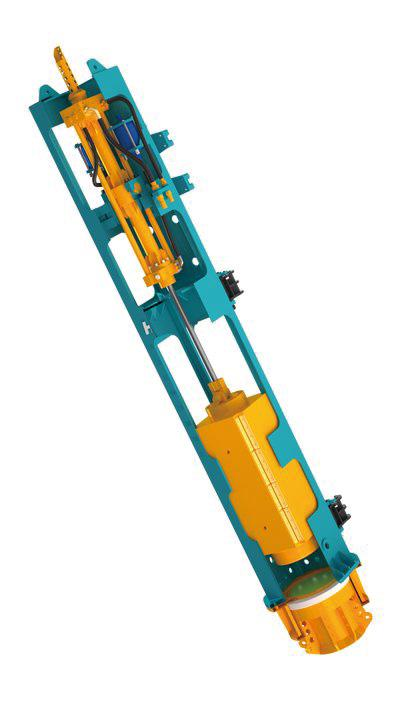
Hydraulic Pile Hammer Series
Negotiable
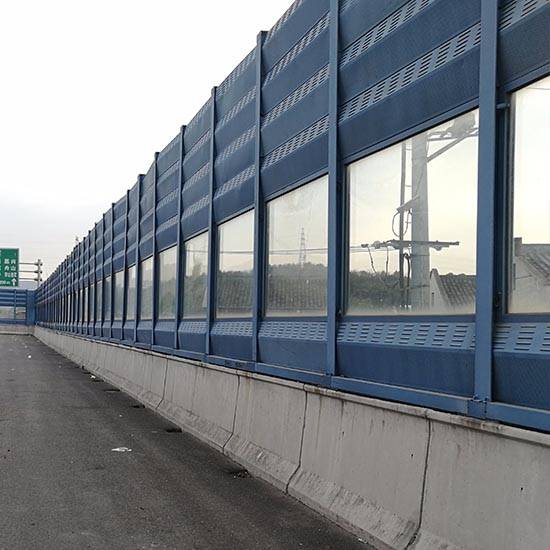
Metal sound barriers that can reduce the transmission of road noise
Negotiable /Square meters

FQ-9000 Underground Crane
Negotiable

Aluminum Formwork System
Negotiable

Crane
Negotiable
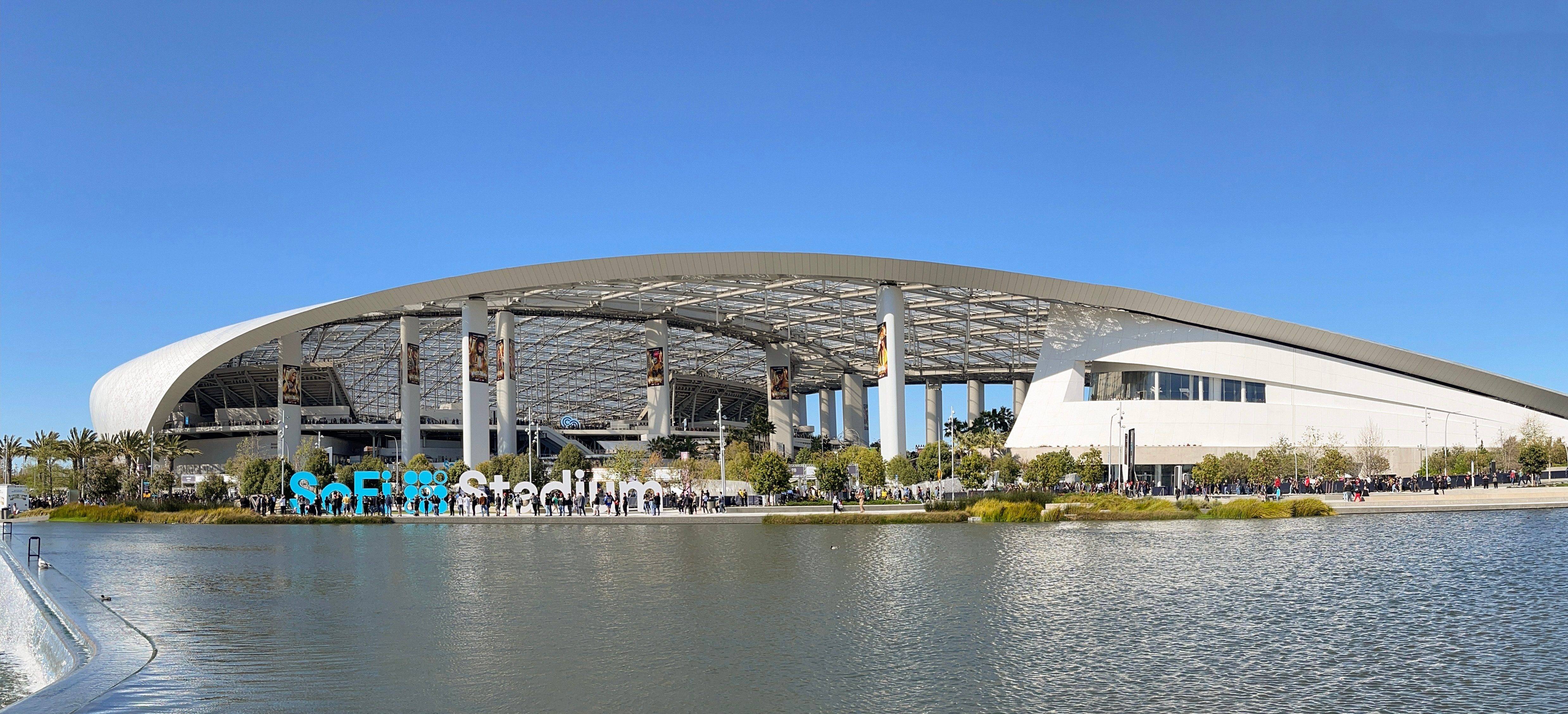
Steel Structure
Negotiable /ton
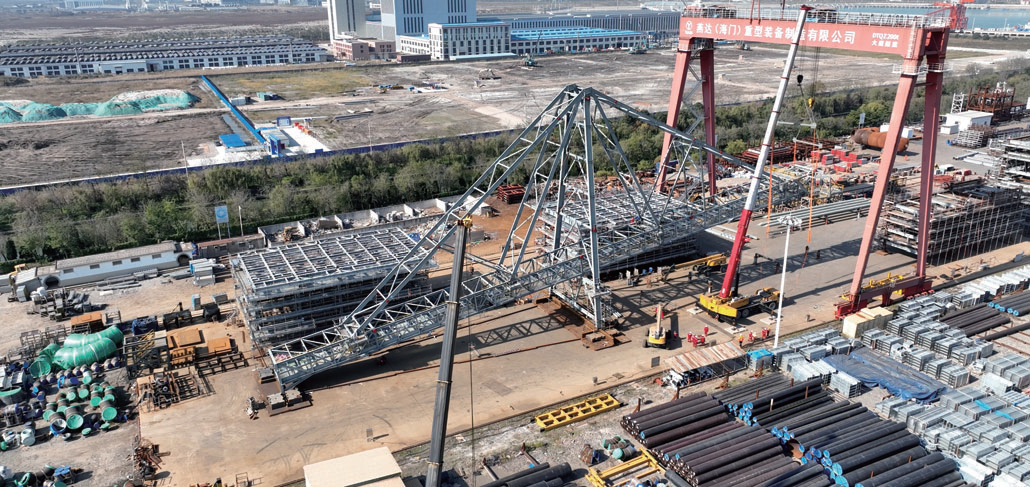
Steel Structures
Negotiable
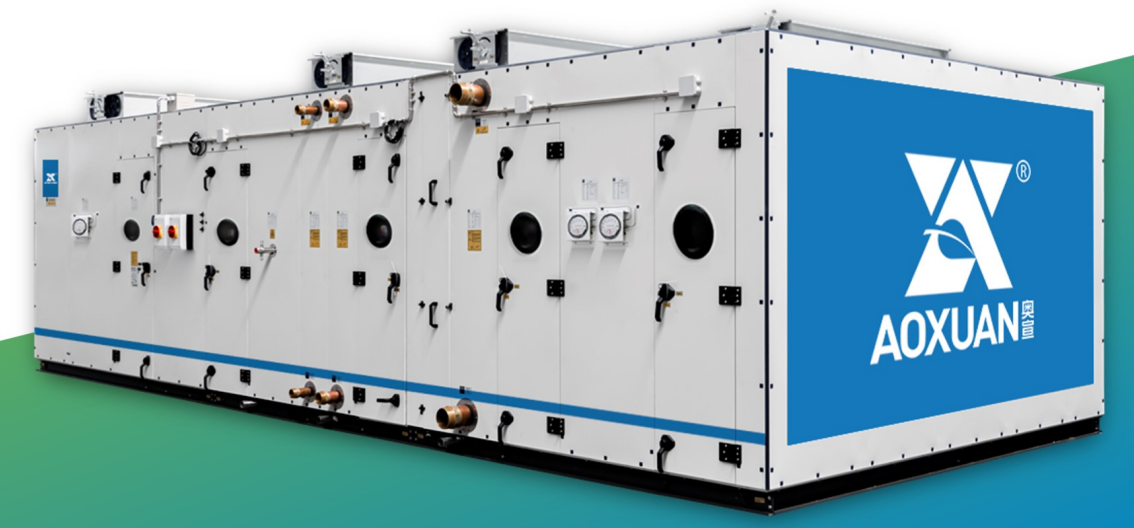
Aoxuan Intelligent Precision Air Conditioning Unit
Negotiable
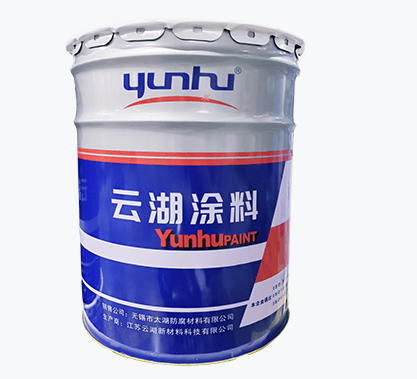
YHTank8400N Solvent-Free Liquid Epoxy Coating
Negotiable
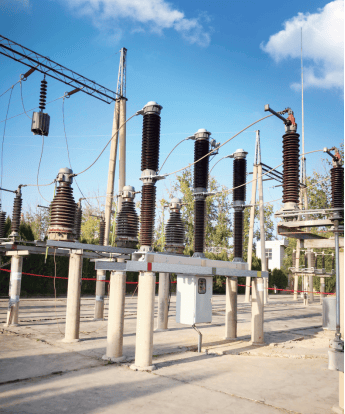
145kV Porcelain Column Type Sulfur Hexafluoride Circuit Breaker
Negotiable