
| Notice Type | Tender Announcement |
|---|---|
| Notice No. | 128683242 |
| Description |
Tender Reference: 103430-2026 Project Name: Pearl Reservoir Construction Project Location: Zala County, Hungary Contract Type: Works Contract Procedure Type: Competitive Negotiation (with prior publication of a competition notice) Legal Basis: EU Directive 2014/24/EU Project Overview: Integrated Development of the Pearl Reservoir and Ecological Restoration of the Pearl Watercourse Total Project Investment: Approximately HUF 3.5 billion (approximately EUR 8.5 million). Planned Construction Period: 30 months. The project spans seven administrative areas: Zalaszántó, Rezi, Karmacs, Hévíz, Cserszegtomaj, Vindornyafok, and Keszthely. It has a wide impact area, high technical complexity, and strong ecological sensitivity, making it a landmark project in the field of water environment management in western Hungary in recent years. Reservoir Capacity Restoration and Dredging Works: Due to nearly forty years of continuous sediment input, the effective storage capacity of the existing Pearl Reservoir has sharply decreased from the initial design capacity of 120,000 cubic meters to less than 50,000 cubic meters, severely impairing its regulation and storage function. Capacity to be Restored: 101,000 cubic meters. Specific Dredging Works Include: (1) Comprehensive Sediment Condition Survey: During the preparatory phase, the contractor must commission a qualified geotechnical investigation unit to conduct systematic sampling and testing of the sediment distribution thickness, physical and mechanical properties, and pollutant content in the reservoir area. Survey Scope: Covering the entire water area of the reservoir, with no less than 30 exploration points, and sampling depth penetrating the sediment layer to the original reservoir bottom. Testing Parameters: Including but not limited to particle size distribution, organic matter content, heavy metals (mercury, cadmium, lead, arsenic, chromium, copper, zinc), polycyclic aromatic hydrocarbons (PAHs), polychlorinated biphenyls (PCBs), and petroleum hydrocarbons. The test report must be submitted to the contracting authority and environmental authorities for filing, serving as the basis for subsequent disposal decisions. (2) Environmentally Friendly Dredging Operations: Based on sediment test results, employ a combination of hydraulic flushing and mechanical excavation techniques. Priority should be given to environmentally friendly cutter suction dredgers with low turbidity dispersion, equipped with real-time turbidity monitoring devices to ensure the incremental turbidity in downstream water bodies during construction is controlled within 20 NTU. Dredging Depth: Aimed at restoring the original design bottom elevation of the reservoir. Local areas may be moderately over-dredged according to actual topography. Over-dredging Volume: Shall not exceed 3% of the designed reservoir capacity. (3) Sediment Disposal and Resource Utilization: Sediment Generated from Dredging: Approximately 55,000 cubic meters. Non-polluted sediment that passes testing shall be prioritized for improving degraded agricultural land, landscaping soil, or embankment reinforcement in adjacent areas, achieving on-site resource utilization. Sediment requiring off-site disposal must have solid waste transfer procedures handled in accordance with the law and be transported to disposal sites approved in advance by the contracting authority. The contractor must prepare a sediment management plan, specifying destinations, transportation routes, receiving units, and environmental control measures. (4) Underwater Terrain Shaping in the Reservoir Area: Based on dredging, create a permanent perennial water channel within the reservoir, 8-12 meters wide and 1.0-1.5 meters deep, connecting the intake structure and the forebay of the outlet structure. Channel Alignment: Adopt a meandering design, mimicking natural river morphology, with alternating deep pool-shallow riffle sequences along its course to provide habitats and refuges for aquatic organisms. Gentle slope shallow water zones shall be preserved or artificially created on both sides of the channel, planted with submerged and emergent plant communities to form a structurally complete riparian zone. Comprehensive Renovation of Outlet Structures: The existing outlet structure is a composite structure consisting of a spillway weir, bottom outlet sluice gate, and stilling basin. Renovation Works Include: (1) Concrete Structure Repair and Strengthening: Thoroughly repair the spillway weir body, sidewalls, intermediate piers, and stilling basin floor. Use high-pressure water jetting to remove deteriorated surface concrete. After derusting and anti-corrosion treatment of exposed reinforcement, restore the cover thickness with polymer-modified cement-based repair mortar. Structural cracks shall be grouted with low-viscosity epoxy resin using pressure injection. Apply penetrating silane protective coating on the entire surface to improve freeze-thaw durability. (2) Installation of New Gates and Hoisting Systems: Remove the existing plain steel gate and replace it in situ with a stainless steel composite flat gate. Gate Leaf Thickness: Not less than 12 mm. Main and auxiliary wheels shall use self-lubricating composite materials. Design Head: Must meet a safety overload requirement of 1.2 times the maximum water level. Gate slot embedded parts shall be entirely replaced with 316L stainless steel. Installation Accuracy: Controlled within ±2 mm. The accompanying hoist shall be upgraded to a hydraulic drive type. Rated Hoisting Force: 500 kN. Closing Force: 300 kN, equipped with manual emergency operation devices and remote monitoring interfaces. (3) Sealing System Renewal: Replace all structural joints, construction joints, and gate seals. Gate bottom and side seals shall use double-P-type rubber-plastic composite sealing strips. Seal Compression: Not less than 6 mm. Structural joint seals shall use a composite structure of externally attached rubber waterstop and water-swelling sealing strips, ensuring no leakage under 0.6 MPa water pressure. (4) Inspection Bridge Renovation: Remove the existing precast reinforced concrete simply supported slab beams and construct a new steel-concrete composite deck. Deck Width: Widened from the original 2.5 meters to 3.5 meters to meet maintenance vehicle access requirements. Deck Pavement: Use polymer concrete, 50 mm thick, with a two-way 1.5% cross slope. Install hot-dip galvanized steel guardrails on both sides. Height: 1.2 meters. Post Spacing: 1.5 meters. (5) Automated Monitoring System Integration: Install a local control unit in the hoist room, equipped with a programmable logic controller (PLC), touch-screen human-machine interface (HMI), and industrial Ethernet switch. Real-time data such as gate opening, hoist oil pressure, upstream and downstream water levels shall be collected and uploaded to the basin-level dispatch center, supporting remote individual and group control. Main Dam Repair and Reinforcement: The main dam is a homogeneous earth dam. Crest Length: 240 meters. Maximum Dam Height: 12.5 meters. The upstream slope has dry-laid stone pitching, and the downstream slope has turf protection. Geological radar detection and drilling verification have revealed local defects including voids within the dam body, seepage risks at the dam-foundation contact zone, loosening and detachment of upstream slope stones, and subsidence of the crest road surface. Repair Works Cover the Following: (1) Dam Body Defect Remediation: For void areas, use grouting filling technique. Grouting Material: Cement-bentonite slurry. Grouting Pressure: 0.2-0.5 MPa, controlling the slurry diffusion radius to ≤1.5 meters. After grouting, conduct core drilling for inspection. The core samples must be continuous and intact, with no visible voids. (2) Dam Foundation Seepage Control Treatment: Implement a continuous jet grouting pile wall at the dam body-foundation contact zone. Pile Diameter: 600 mm. Pile Spacing: 450 mm. Overlap Thickness: Not less than 150 mm. Wall Depth: Penetrate into the relatively impervious layer by not less than 2.0 meters. The bottom elevation of the wall shall follow the design drawings. 28-day Unconfined Compressive Strength of Wall: Not less than 2.0 MPa. Permeability Coefficient: Not greater than 1×10⁻⁶ cm/s. (3) Crest and Slope Rehabilitation: Remove the damaged asphalt concrete pavement on the dam crest and repave the base and surface courses. Total Pavement Structure Thickness: Not less than 250 mm, with a two-way cross slope for drainage. Loosened stones on the upstream slope shall be repositioned and tightly keyed one by one. Missing stones shall be replaced with new stones of equivalent specification and lithology, with simultaneous repair of the bedding layer. On the downstream slope, remove invasive trees and shrubs, excavating roots simultaneously with dam body excavation. After backfilling and compaction, reseed with cold-season turfgrass species. (4) Dam Deformation Monitoring System: Install surface settlement and displacement monitoring points along the dam axis and perpendicular to it. One monitoring section every 50 meters, with no less than 5 measurement points per section. Use total station automatic observation, no less than twice per month, with increased frequency during heavy rainfall or rapid water level changes. Monitoring data shall be integrated into the project information management platform in real time. Pearl Watercourse and Ó-berek Canal Improvement Works: Pearl Watercourse Total Length: Approximately 18 kilometers. Ó-berek Canal Total Length: Approximately 9 kilometers. Both are secondary watercourses of the Danube River Basin. (1) Ecological Cross-Section Widening: Widen the river cross-section locally, while maintaining the natural meandering morphology of the channel. The design adopts a compound cross-section form, i.e., maintaining a narrow-deep section below the normal water level and setting one or more levels of floodplains above the normal water level. Floodplain Width: 1.5-3.0 meters. Elevation: 0.3-0.5 meters below the banks on both sides, planted with hygrophytic herbaceous plants. Widening should primarily be unilateral to avoid symmetrical excavation on both sides, preserving existing mature vegetation to the greatest extent. Total Earthwork Excavation Volume: Approximately 42,000 cubic meters. (2) Riverbed Morphology Reshaping: Abolish the existing straightened and uniform-depth riverbed, reconstructing a deep pool-shallow riffle sequence. Deep Pool Section Design Depth: 0.8-1.2 meters. Shallow Riffle Section Depth: 0.2-0.4 meters. Alternation Cycle: Approximately 5-7 times the river width. Create scour pools at the concave banks of bends and point bars at convex banks. Riverbed Material: Use graded river pebbles, gravel, and a small amount of large boulders. Particle Size Distribution: 20-200 mm, simulating the natural riverbed substrate structure. (3) Ecological Slope Protection: For severely eroded river sections, use composite ecological bank protection technology. Underwater sections: lay natural stone toe protection. Stone Size: 300-500 mm. Porosity: Not less than 30%. Water level fluctuation zone: lay coir fiber mats or biodegradable plant fiber blankets, covered with 10 cm of planting soil, and hydroseed with hygrophytic tree, shrub, and grass species. Above-water slope: use wooden pile-reinforced geogrid structure. Wooden Piles: Use black locust or chestnut wood. Pile Diameter: 100-120 mm. Pile Length: 1.5-2.0 meters. Spacing: 0.8 meters. Total Length of Ecological Bank Protection for the Entire Line: Approximately 6,500 linear meters. (4) Existing Embankment Completion and Repair: There are multiple sections of earthen embankments built in earlier years along the Pearl Watercourse, suffering from flood scouring and human damage, resulting in insufficient embankment height, thin cross-sections, and potholes on the crest. This project will complete the missing sections and raise the low sections. Crest Width: Standardized to 3.0 meters. Side Slope: 1:2.0. Crest Pavement: Gravel surface, 150 mm thick, with a 2% cross slope. Conduct cone penetration grouting treatment on the embankment body to eliminate hazards from animal burrows and plant root holes. (5) Left Bank High Slope Greening Project: Some sections of the left bank are natural high and steep slopes. Crest Elevation: 1.0-2.0 meters above the design flood level. The current vegetation is sparse, posing a high risk of soil erosion. After slope clearing, use soil spraying (hydroseeding) technology. Spraying Thickness: 50-80 mm. Mixture Ratio: Planting soil : organic substrate : binder : water-retaining agent : grass/shrub/tree seeds = 100 : 15 : 2 : 0.5 : 3. Species Combination: Select native xerophytic and mesophytic species, including European hornbeam, European privet, hawthorn, wild rose, etc., arranged in a multi-layered structure of trees, shrubs, and grasses. Target Forestation Density: Not less than 2,500 plants per hectare. Crossing Structure Renovation: There are 13 crossing structures along the Pearl Watercourse and Ó-berek Canal requiring renovation. Including: 7 culverts, 4 drop structures, and 2 simple bridges. (1) Culvert Renovation: Most existing culverts are circular pipe culverts. Diameter: 600-1000 mm, with insufficient flow capacity and the invert often higher than the riverbed, creating a barrier. The renovation plan primarily involves demolition and reconstruction, building new box culverts or arch culverts. Diameter/Aperture: Designed according to a 50-year flood standard, with the invert elevation smoothly connecting to the improved riverbed. The culvert inlet and outlet shall have wing walls with warped surfaces. Downstream, a stilling basin or riprap anti-scour trench shall be provided. Cover Soil on Culvert Top: Not less than 1.0 meter, restoring surface vegetation and animal migration corridors. (2) Drop Structure Renovation: Two drop structures in the southern section of the Ó-berek Canal have drops of 1.2 meters and 1.8 meters respectively. The existing vertical masonry structures severely hinder fish migration. These will be demolished and reconstructed into nature-like sloping fish passages. Total Slope: Controlled between 2% and 5%. Length: Approximately 25-40 meters. Fish Passage Channel: Constructed using stone masonry or precast concrete modules. The channel bottom shall be paved with natural pebbles of 100-200 mm diameter. Resting pools shall be provided along the course. Pool Depth: Not less than 0.5 meters. Design Target Velocity: 0.3-0.8 m/s, meeting the upstream migration needs of local cyprinid fish. (3) Bridge Renovation: Demolish two dilapidated simple bridges and construct new prestressed concrete hollow slab bridges. Deck Width: 4.5 meters. Single Span: 8-12 meters. Load Rating: Highway Class II. Abutments: Use gravity-type or lightweight bent structures. Under-clearance: Not less than 1.0 meter (above normal water level). Install crash barriers and pedestrian walkways on both sides of the bridge. During construction, uninterrupted river flow must be ensured by setting up temporary diversion channels. New Hydrological Monitoring Facilities: Currently, there are only 2 manual staff gauge stations in the project area, with low observation frequency and poor data continuity, insufficient to support refined operation and management needs. This project plans to install one set of fully automatic water level recorder system. (1) Site Selection: Considering factors such as hydrological representativeness, power supply and communication conditions, and ease of future operation and maintenance, a new water level station will be constructed on the left bank of the Pearl Watercourse downstream of the Pearl Reservoir dam, at the location of the existing simple hydrological observation platform. (2) Equipment Configuration: Main Equipment: Radar-type non-contact water level gauge. Range: 0-10 meters. Accuracy: ±3 mm. Resolution: 1 mm. Protection Rating: IP68. Data Logger: Configured with a 4G DTU module, supporting MQTT protocol, reporting data to the central platform every 10 minutes, with additional reporting when water level variation exceeds 0.1 meter. Power Supply: Use a combination of 30W solar panel and 38Ah lithium battery, ensuring operation for no less than 15 days under continuous cloudy/rainy conditions. (3) Auxiliary Facilities: Construct a new reinforced concrete instrument base. Dimensions: 1.0 m × 1.0 m × 0.8 m, elevated at least 0.5 meters above the historical highest flood level. Install a stainless steel protective enclosure, lightning rod, and grounding system. Install a bubble gauge or pressure transducer water level gauge at the staff gauge location for backup comparison. Install warning signs and a simple maintenance access path in the station area. (4) Data Integration: Data from the new water level station shall be integrated into the Hungarian National Water Information System, enabling real-time data sharing and publication. The contractor must cooperate to complete system connection debugging and a 3-month trial operation assessment. Natura 2000 Protected Area Special Management Measures: Approximately 30% of the construction area for this project is located within the Keszthely Mountains Natura 2000 protected area. This area is known for its Illyrian beech forests, dry calcareous grasslands, and cave habitats, hosting indicator species such as the Hungarian Glider (butterfly), European ground squirrel, and Yellow-bellied toad. Mandatory Ecological Protection Clauses: (1) Construction Time Restrictions: Water-related construction (dredging, bank protection, riverbed improvement) is only permitted between June 1 and September 30, avoiding fish spawning periods and amphibian hibernation. Clearing of woodlands and shrublands is only permitted between October 1 and February 15 of the following year, avoiding bird breeding seasons. (2) Noise and Vibration Control: The use of high-noise equipment such as impact hammers and vibrating rollers is prohibited within 50 meters of known bird nests and mammal burrows. Use hydraulic breakers and low-noise excavators as alternatives. All construction equipment must comply with EU Stage V emission standards and undergo regular maintenance. (3) Invasive Species Control: Construction machinery must be washed with high-pressure water before entering the site to remove attached seeds and soil. Earth materials for the project must be sourced from areas not contaminated by invasive species. Planting materials must be accompanied by a "phytosanitary certificate". The use of invasive species such as Canadian goldenrod, common ragweed, and johnsongrass is prohibited. (4) Ecological Monitoring and Feedback: During construction, an ecological supervision position shall be established, staffed by professionals with experience in nature reserve management. They shall conduct on-site supervision of construction activities. If protected species are discovered, work shall be suspended immediately and resume only after appropriate deterrence or relocation measures are taken. Compensatory Afforestation Plan: According to the principle permit for forest land occupation issued by the Keszthely Forest Management Office, this project will occupy approximately 0.8 hectares of cultivated forest land due to new roads, temporary facilities, and borrow pits. Off-site compensatory afforestation must be implemented at a ratio of 1:1.2. Total Area: 0.96 hectares (approximately 1 hectare). (1) Site Selection: The compensation plot is located on parcel 0401/1 in Keszthely City, adjacent to forest compartment No. 316. The current status is abandoned farmland with slightly alkaline soil, suitable for native oak and hornbeam growth. The contracting authority has completed land ownership confirmation for this plot, and it can be directly used for afforestation. (2) Tree Species Composition: Subject to the afforestation design plan approved by the Hungarian nature conservation authorities. Preliminary recommendations for main species include Pedunculate oak and Sessile oak, mixed with European hornbeam, Norway maple, and wild cherry, forming a multi-layered, uneven-aged forest structure. Initial Planting Density: 5000 seedlings per hectare. Survival Rate: If below 85%, replanting is required the following year. (3) Construction Sequence: Compensatory afforestation must be completed in the first afforestation season (autumn or the following spring) after the commencement of the main works. The contractor is responsible for purchasing seedlings, site preparation, planting, initial tending (watering, weeding, pest control), and maintenance during a three-year management period. Environmental Monitoring During Construction: In accordance with the EU Water Framework Directive (2000/60/EC) and Hungarian Government Decree No. 147/2010. (IV. 29.), this project must conduct systematic monitoring of the ecological environment status before, during, and after construction. The monitoring work must be undertaken by a qualified third-party testing agency. The contractor's bid should include the relevant costs. (1) Aquatic Ecology Monitoring: Macroinvertebrates: Sample once each in spring (April-May) and autumn (September-October) before construction, twice per year during construction, and continue monitoring for 2 years after construction. Quantitative sampling uses a standard D-frame net, collecting three 1m² quadrats per site. Laboratory identification to genus/species level, calculating Shannon-Wiener diversity index, BMWP biotic index, and ASPT index. Fish Resources: Sampling frequency same as for macroinvertebrates. Use electrofishing method, setting up 3-5 sample reaches of 100 meters along the river. Captured individuals are identified on-site, measured for length, weighed, and released. Record species composition, relative abundance, biomass, and diversity indices. Aquatic Plants: Conduct a survey once before and once after construction (optimal observation period July-August). Perform visual survey along the entire river, combined with quadrat method, recording species, coverage, and biomass of aquatic vascular plants, and drawing vegetation distribution maps. (2) Terrestrial Ecology Monitoring: Focus on tracking vegetation recovery in disturbed areas and the status of protected species. Vegetation Monitoring: Every six months, establish 10 permanent quadrats to survey plant species, height, coverage, and frequency. Birds and Mammals: Use transect method and infrared camera trapping. Total Transect Length: 5 kilometers. Camera Deployment: No less than 15 units. (3) Water Quality and Sediment Monitoring: During Construction: Once per month, simultaneous sampling at upstream/downstream control sections and intensified sections in the construction area. Test Parameters: Include pH, DO, BOD₅, COD, NH₃-N, TP, SS, turbidity, and specific heavy metals. Sediment Monitoring: Once per year, with intensified sampling at key sections before and after construction. Design and Permit Service Scope: This project adopts a Design-Build delivery model. The contractor bears overall responsibility for the technical feasibility, regulatory compliance, and final performance of the works. Design Service Scope: (1) Construction Drawing Design: Based on indicative design documents provided by the contracting authority, complete a full set of construction drawings meeting the requirements for tender and on-site construction. Drawing Detail Level: Must comply with Hungarian national norms and relevant industry standards, covering all disciplines including hydraulic structures, roads, water supply and drainage, electrical and automation control, landscaping, etc. (2) Specialized Design and Assessment: Prepare technical documents required by EU funds, such as Sediment Management Plan, Resource Utilization Plan, DNSH Compliance Assessment Report, Carbon Footprint Calculation Report, Circular Economy Action Plan, etc. (3) Permit Acquisition: Responsible for obtaining the following administrative permits and approvals: Construction Permit, Forest Land Occupation Permit (including approval of compensatory afforestation plan), Water Abstraction Permit, Water Discharge Permit, Approval of Temporary Traffic Management Plan, Waste Transfer Note, Pre-construction Archaeological/Cultural Heritage Clearance (if applicable), etc. Permit Processing Time: Counted within the total contract period. The contractor must develop a permit acquisition schedule and bear the risk of delays. (4) As-Built Documentation: Prepare complete as-built drawings and reports, requiring the BIM as-built model to be fully consistent with the physical site. Model Level of Detail (LOD): LOD 350. Prepare Operation and Maintenance Manuals, Emergency Operation Procedures, training materials, etc. Green Procurement and Sustainability Requirements: As an EU-funded project, this project fully implements Green Public Procurement criteria. The contractor must respond in the following aspects: (1) DNSH Principle Compliance: All project activities must not cause significant harm to the six environmental objectives defined by the EU Taxonomy. Six Environmental Objectives: Climate change mitigation, Climate change adaptation, Sustainable use and protection of water and marine resources, Transition to a circular economy, Pollution prevention and control, Protection and restoration of biodiversity and ecosystems. The contractor must appoint a dedicated DNSH Manager, establish a full-process compliance verification checklist, and submit monitoring reports to the contracting authority quarterly. (2) Energy-saving and Low-carbon Construction: Temporary construction facilities must use LED lighting and Grade I energy efficiency HVAC equipment; prioritize electrically powered construction machinery; Transport Vehicle Load Factor: Not less than 80%, plan transportation routes reasonably to reduce empty runs; equip the construction site with energy metering instruments and establish an energy consumption ledger. (3) Green Building Material Application: Total Mineral Admixture Content in Concrete: Not less than 25%; prioritize steel products from electric arc furnace short-process production; wood must originate from Forest Stewardship Council (FSC) certified sustainably managed forest areas; encourage the use of recycled aggregates in road bases. (4) Waste Reduction: Sort construction waste for storage. Recyclable Material Recovery Rate: Not less than 90%; inert inorganic waste (concrete rubble, brick debris) shall be crushed on-site for use as temporary road subbase or backfill; hazardous waste (waste oil, waste batteries, waste paint cans) shall be entrusted to licensed units for disposal, managed with consignment notes. Quality Management and Personnel Requirements: The contractor must establish a project quality management system according to ISO 9001 requirements, prepare work instructions for key processes, and implement the "three-level inspection system" (self-inspection by work teams, re-inspection by work sections, final inspection by the project department). Site Layout and Temporary Works: The contractor must reasonably arrange temporary construction facilities based on the general layout plan and site conditions, minimizing land occupation and ecological disturbance. (1) Construction Access Roads: Prioritize the use of existing rural roads and forest tracks, mainly widening and reinforcing them. Total Length of New Access Roads: Controlled within 1.2 kilometers. Access Road Width: 4.0 meters. Base Course: 200 mm thick graded crushed stone. Surface Course: 150 mm thick soil-bound macadam. Where crossing watercourses or gullies, install temporary steel bridges or lay culvert pipes. (2) Temporary Storage Yards and Workshops: Site selection must avoid the core zone of the nature reserve and areas below the flood inundation line. Concentrate facilities like concrete batching plants, reinforcement workshops, and carpentry sheds in the leveled area around the reservoir management zone. Occupied Area: Approximately 5,000 square meters. All temporary sites must have perimeter cut-off and drainage ditches, with stormwater discharged after treatment in sedimentation basins. (3) Construction Water and Electricity Supply: Construction Water: Primarily sourced from the reservoir and river channels, requiring a temporary water abstraction permit and installation of smart water meters for measurement. Domestic Water: Connected from the village/town water supply network. Construction Electricity: Primarily from the public grid, distributed from transformers to secondary distribution boxes in each work zone; remote work points shall be equipped with silent diesel generators as backup. Traffic Management and Public Safety: The project involves multiple local roads and village access routes. The contractor must prepare a special traffic management plan and implement it after approval by local government and traffic authorities. (1) Gate System: Install automatic gates at the start and end points of the new/operational roads to restrict public vehicles and unauthorized personnel from entering the core construction area. Gates: Use dual-mode license plate recognition and remote control, equipped with anti-ram bollards and warning signs. (2) Temporary Traffic Diversion: For road occupation works, public notice must be issued at least 3 days in advance, clearly indicating detour routes and work duration. Construction near sensitive areas such as schools and nursing homes must avoid morning and evening peak hours. Heavy vehicles must avoid central village/town roads and use designated transport routes. (3) Construction Safety: All edges, water-adjacent areas, and deep foundation pits must have 1.2-meter high standardized guardrails, with red warning lights hung at night. Blasting work (if encountering boulders) must be entrusted to professional blasting companies, with designated exclusion zones and emergency plans. Consortia Bidding Allowed: Yes (consortium agreement required), but establishment of a project company is not permitted. Bid Language: Hungarian Bid Security: HUF 1 million (approximately EUR 24,000), can be submitted before the final bid. Performance Bond: 5% of the contract price (excluding contingency sums and VAT). Bid Submission Address: https://ekr.gov.hu/eljarastar/eljaras/EKR001968392025 |
| Files |  Attachment.pdf (159.61 K) Attachment.pdf (159.61 K) |
Expired Tender Announcement for the Pearl Reservoir Construction Project by the Hungarian Ministry of Construction and Transport
Favorite
| Organization | Építési és Közlekedési Minisztérium | Country | Hungary |
|---|---|---|---|
| Contact | Ervin Misurák | Tel. | View more |
| View more | Address | Alkotmány Utca 5, 1054 Budapest, Hungary | |
| Release Date | 2026-02-25 | Validity | 2026-03-13 |
Details
The tender information on this website is provided for reference only. If you intend to bid, please verify the authenticity and accuracy of the information with the tendering party. Our company reserves the right to adjust website content at any time and assumes no direct or indirect liability for it.Email: news@wedoany.com
Related Tenders
Related Products

Acoustic Mineral Fiber Ceiling Tile 595x595x12mm
Negotiable /square meter

Industrial and Commercial Point-Type Gas Detector
Negotiable
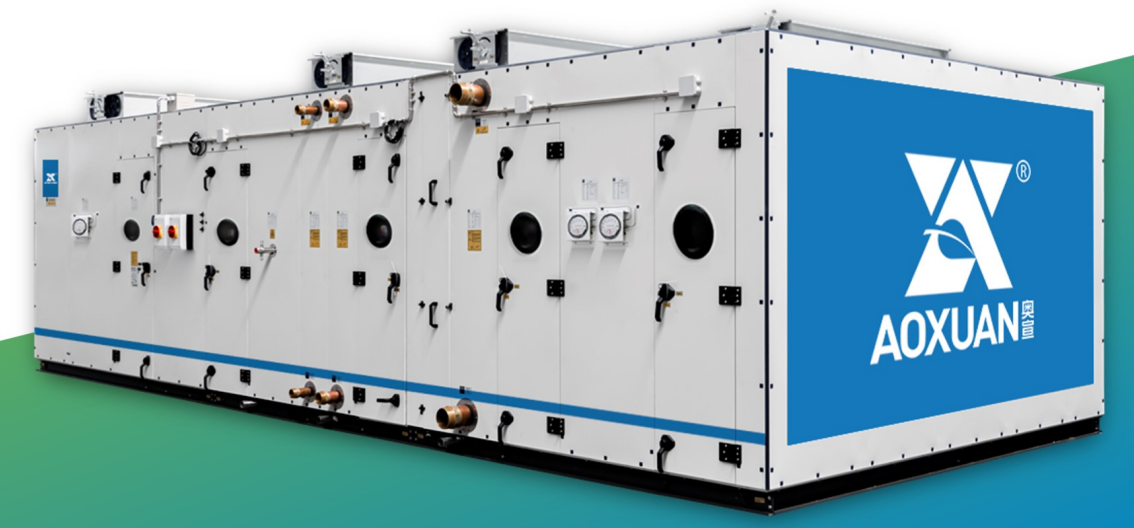
Aoxuan Intelligent Precision Air Conditioning Unit
Negotiable
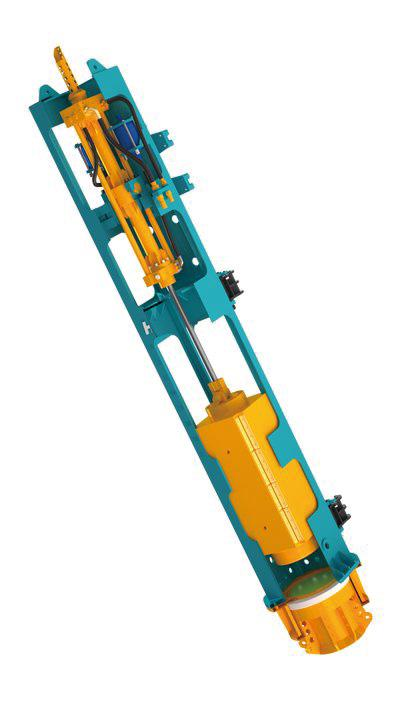
Hydraulic Pile Hammer Series
Negotiable
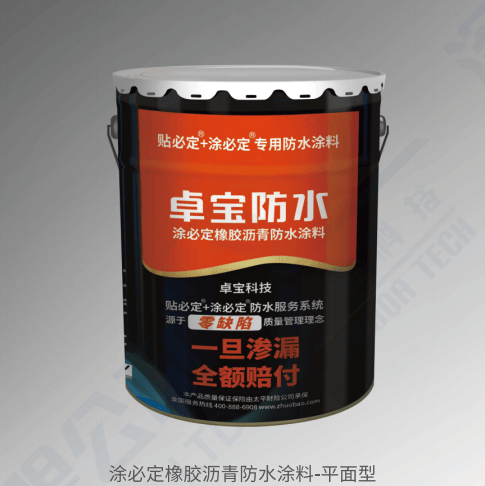
"Tiebiding + Tubiding" Waterproofing Service System
Negotiable
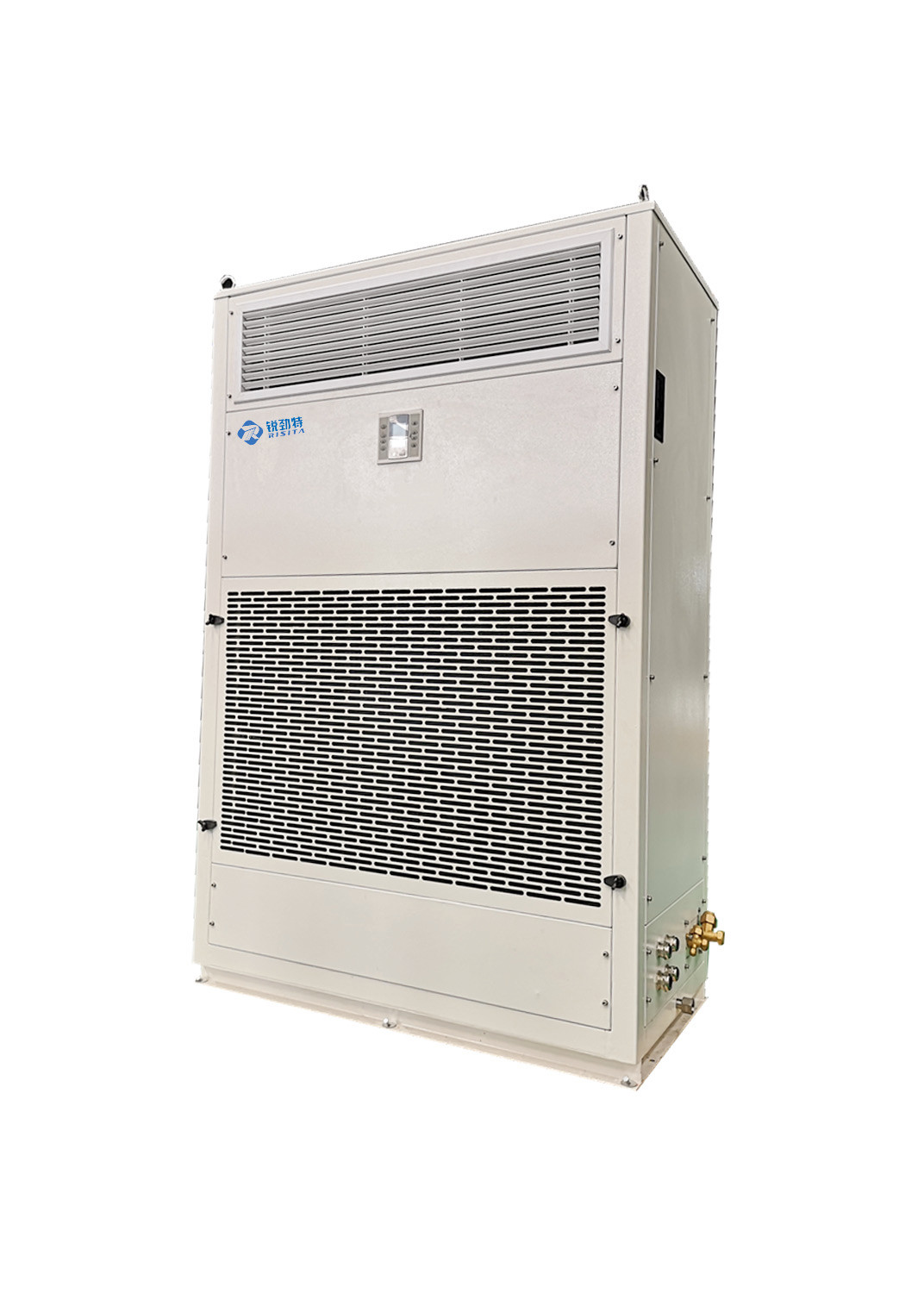
RISITA explosion-proof air conditioning
Negotiable
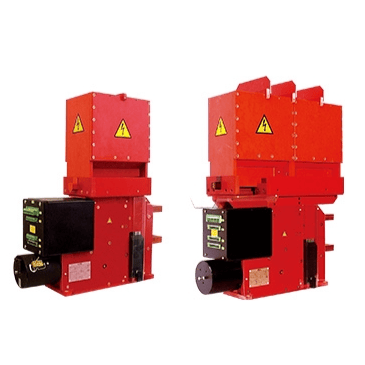
Gerapid DC Circuit Breaker
Negotiable
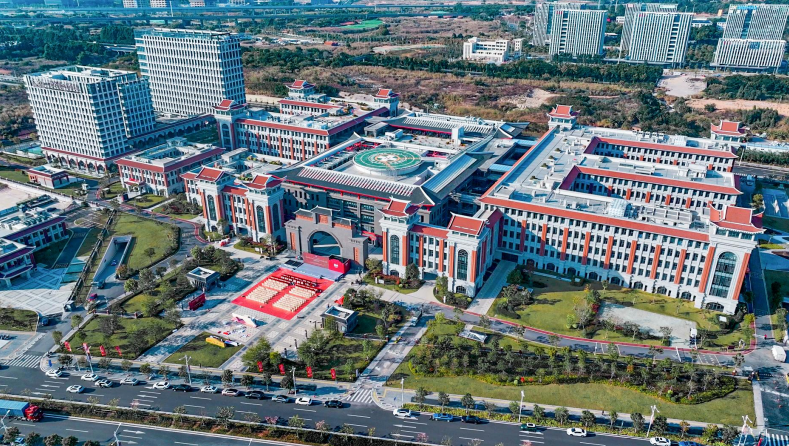
West China Xiamen Hospital of Sichuan University
Negotiable
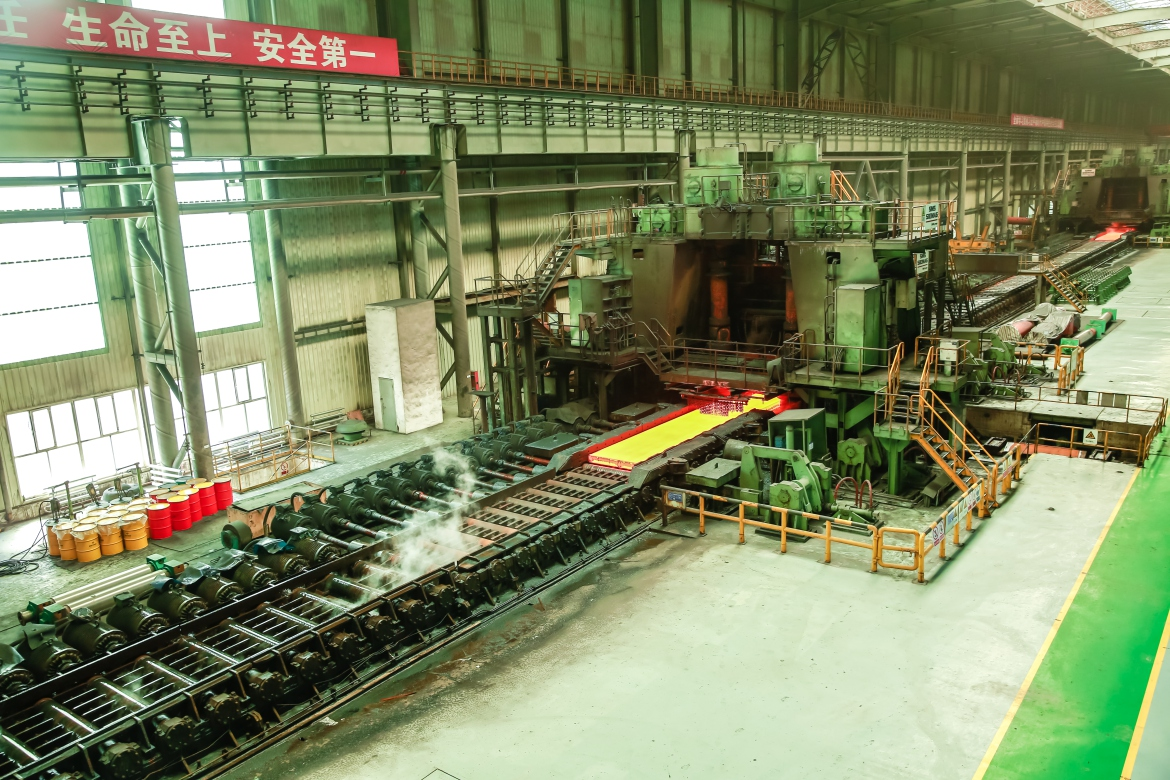
Hot-rolled Products
Negotiable

Wide and Heavy Plate
Negotiable
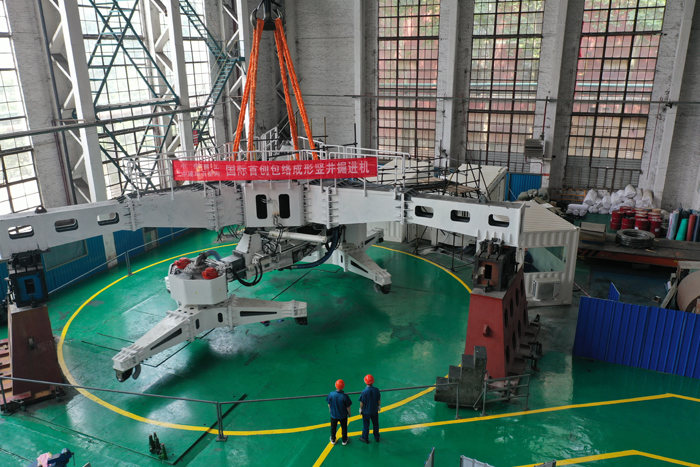
CITIC Heavy Industries Tunneling Equipment Tunnel Engineering Shield Machine
Negotiable
API Series Casing
Negotiable