
| Notice Type | Tender Announcement |
|---|---|
| Announcement No. | CEZB260401207 |
| Description |
Project Name: Public Bidding for Civil Engineering of Ventilation System Renovation Project at Wuhushan Coal Mine of Wuhai Energy Project Location: Guoneng Wuhai Energy Wuhushan Mining Co., Ltd., Wuda District, Wuhai City, Inner Mongolia Autonomous Region Wuhushan Coal Mine is located in Wuda District, Wuhai City, Inner Mongolia Autonomous Region, adjacent to the open-pit Huayin Coal Mine and Jian'an Coal Mine. Currently, the return air shaft site of Wuhushan Coal Mine is located between the slopes of the open-pit mines, forming an "isolated island" distribution. If a landslide occurs on the adjacent open-pit mine slope, it will directly threaten the safety of the return air shaft. To improve mine ventilation efficiency, optimize the ventilation system, reduce ventilation resistance, shorten ventilation flow, reduce roadway maintenance costs, and ensure the safety of the mine ventilation system, it has been decided to carry out a comprehensive renovation and construction of the ventilation system for the No.1 and No.2 return air shafts of Wuhushan Coal Mine. The overall ventilation system renovation project for Wuhushan Coal Mine consists of three major parts: mining construction engineering, civil engineering, and installation engineering. The content of this bidding is the civil engineering for the ventilation system renovation, covering multiple sub-items such as the new comprehensive electrical room, main fan house, fan foundation, air duct, and site supporting facilities. New Comprehensive Electrical Room (Ventilation Fan House Power Distribution Room) The comprehensive electrical room is the power core of the ventilation system, responsible for providing reliable power supply to the two main fans and auxiliary equipment. According to Article 5.0.1 of the "Design Code for Main Ventilation Fan Stations in Coal Mines" GB50450-2008, main ventilation fan stations shall have two power supply circuits directly fed from the substation (or distribution station), and the circuits shall be switchable at the terminal distribution device. The two power supply circuits shall come from their respective transformers and bus sections, and no loads shall be tapped on the lines. Architectural Structure Requirements: The seismic fortification category of the comprehensive electrical room shall be Class B, fire resistance rating shall be Grade II, structural safety level shall be Grade II, and the foundation design grade shall not be lower than Class B. The clear height of the distribution room shall not be less than 4m. When the length is 7m or less, one exit can be provided; when the length exceeds 7m, two exits shall be provided. Lightning protection shall be designed as Class II. Electrical Equipment Configuration: Equipment such as high-voltage switchgear, low-voltage distribution panels, and transformers will be installed in the distribution room. High-voltage switchgear should be arranged in a single row, and the minimum width of the operation channel shall comply with the relevant provisions of the "Code for Design of Low Voltage Electrical Installations" GB50054 and the "Code for Design of Substations up to 10kV" GB50053. The control circuits and auxiliary equipment of the main fans must be equipped with backup power sources as reliable as the main equipment. Monitoring and Control System: The distribution room needs to be equipped with comprehensive monitoring instruments and sensors, including voltmeters, ammeters, active energy meters, reactive energy meters, etc. For synchronous motors, a power factor meter should also be installed, and DC ammeters and voltmeters should be installed in the rotor circuit. At the same time, the bearing temperature of the fan and the stator winding temperature of large-capacity motors need to be continuously monitored, with audible and visual alarm signals issued when temperatures exceed limits. Duty Room Setup: A duty room shall be set up within the electrical room. The duty room must be equipped with a telephone directly connected to the mine dispatch room, and external signal connections shall be provided outside the duty room. The duty room shall be sealed and soundproofed, with a noise level not exceeding 85 dB(A). No.1 Return Air Shaft Main Fan House and No.2 Return Air Shaft Main Fan House The two main fan houses correspond to the No.1 and No.2 return air shafts respectively and are the core buildings for installing the main fans. According to the requirements of the "Coal Mine Safety Regulations" and the "Design Code for Main Ventilation Fan Stations in Coal Mines", each air shaft of a mine must be equipped with two sets of main fan installations of equal capacity. For new mines, the models and specifications of the main fan installations must be identical; one set of the two main fan installations shall serve as a backup, and the backup main fan must be able to start within 10 minutes. Building Scale and Structure: The floor area of each fan house is determined based on equipment dimensions, and the clear height of the house shall meet the requirements for equipment installation and maintenance. When electrical control equipment is arranged within the fan station, the clear distance between the motor and the control panel, or between the control panel and the operation console, shall not be less than 2m. The clear distance between the side of rotating machinery and the distribution equipment or operation console shall not be less than 1.5m. When control panels and distribution panels are arranged in a single row, the front passage shall not be less than 1.5m, and the rear passage shall not be less than 800mm. The fan house can be constructed using reinforced concrete structure, steel structure, or masonry structure. The specific form shall be determined after technical and economic comparison. The seismic fortification category of the house is Class B, and the fire resistance rating is Grade II. No buildings or facilities involving fire or hot work shall be located within 20m around the diffuser. Noise Control: The noise level inside the main fan station shall not exceed 85 dB(A). The noise level for nearby residential areas shall comply with the relevant provisions of the "Emission Standard for Industrial Enterprises Noise at Boundary" GB12348. If the noise level exceeds the standard, sound attenuation devices shall be installed. Sound attenuation devices must be made of non-combustible or flame-retardant materials. Ventilation and Heat Dissipation: The house design must fully consider ventilation and heat dissipation requirements to ensure a suitable operating environment temperature for the equipment. No.1 Return Air Shaft Main Fan Air Duct and Fan Foundation & No.2 Return Air Shaft Main Fan Air Duct and Fan Foundation Fan Foundation Design Requirements: The fan foundation must be designed and constructed strictly in accordance with the foundation drawings provided by the equipment manufacturer, and shall also comply with the relevant provisions of the "Design Code for Main Ventilation Fan Stations in Coal Mines" GB50450-2008 and the "Code for Design of Dynamic Machine Foundations" GB50040. In addition to complying with the manufacturer's specifications, the dimensions of each part of the foundation must also meet the following requirements: The distance from the edge of the machine base to the edge of the foundation should not be less than 100mm. The distance from the axis of anchor bolts to the edge of the foundation should not be less than 4 times the bolt diameter. The clear distance from the edge of the anchor bolt reserved hole to the edge of the foundation should not be less than 100mm. The minimum size for anchor bolt reserved holes should be 80mm×80mm, and the distance from the bolt to the hole wall should not be less than 15mm. The thickness of concrete below the bottom end of the bolt should not be less than 50mm for embedded anchor bolts and not less than 150mm for reserved holes. The thickness of the secondary grouting layer for equipment foundations should not be less than 25mm and should not exceed 100mm, and it should be filled densely with micro-expansion concrete. Foundation Bearing Capacity Requirements: In addition to calculating the foundation bearing capacity, the fan foundation shall also be checked for vibration and amplitude according to the design code for dynamic machine foundations. Where conditions permit, the fan foundation should be integrally connected with the air duct foundation to enhance overall stability. Air Duct Design Requirements: The air duct (air raise) shall be constructed of reinforced concrete. When affected by groundwater, effective waterproofing measures must be taken. The structural calculation load for the air duct shall include the airtight negative pressure and additional ground loads. The air duct shall have a downward slope towards the air shaft, with a gradient not less than 5‰, to facilitate drainage. When the fan exhausts horizontally, a drainage ditch shall be provided under its diffuser. Air Duct Size Standards: The maximum air velocity inside the air duct shall not exceed 15 m/s. Air ducts for forced ventilation shall be equipped with at least two fire doors. Fire doors shall be made of non-combustible materials and have corrosion-resistant properties. The air intake openings of forced ventilation main fan stations shall be equipped with louvered windows made of non-combustible materials. Diffuser Requirements: The top of the diffuser shall be equipped with a wind measurement platform with a width not less than 800mm. Railings not less than 1.2m high shall be installed on both sides of the platform, and a 200mm high kick plate shall be installed at the lower part of the railings to ensure the safety of inspection personnel. Air Shaft Site Connecting Road and Distribution Room Connecting Road The air shaft site connecting road links the air shaft site with the external traffic network, and the distribution room connecting road links the distribution room with the main fan house. Road design must meet the requirements for heavy equipment transportation and daily inspection vehicle passage. Based on similar project cases, industrial site road construction needs to consider subgrade treatment, pavement paving, and other processes. The pavement typically uses C30 cement concrete, with thickness determined according to the load grade. Colored brick sidewalks can be installed on both sides of the road as needed. Air Shaft Site Slope Protection The air shaft site is located between the slopes of open-pit mines, making slope protection engineering crucial. Slope protection can take various forms such as lattice beams, anchor bolt support, and retaining walls. Lattice beam construction needs to be broken down into multiple small task modules, including foundation excavation, rebar binding, formwork erection, and concrete pouring. For collapsible loess areas, special attention must be paid to waterproofing and compaction quality control during construction. A rubble retaining wall may need to be constructed on the north side of the combined building to enhance slope stability. Air Shaft Site Earthwork Grading Site earthwork grading is the foundation for subsequent construction. Excavation and filling operations must be carried out according to the design elevation to ensure the site elevation and drainage gradient meet requirements. Soil balance should be considered during construction to minimize the amount of soil to be transported out or borrowed. Air Shaft Site Drainage System The site drainage system includes facilities such as stormwater ditches and drainage culverts. Brick stormwater ditches can be set up beside roads to discharge site rainwater in an orderly manner. The drainage system design must consider local rainfall intensity and site catchment area to ensure the site does not accumulate water during heavy rain. Site Hardening The site hardening scope includes equipment storage areas, parking areas, pedestrian areas, etc. The hardening surface layer can use C30 cement concrete, with thickness determined according to the usage load. In similar projects, the paving area for site surfaces can reach tens of thousands of square meters. Areas for heavy-duty operations such as gantry crane sites and support material yards require thicker concrete surface layers. Site Cable Trenches Cable trenches are used for laying power cables and control cables from the distribution room to the fan house and other electrical equipment. Cable trench design must consider cable laying radius, maintenance access, waterproofing, and drainage. Cable racks should be installed inside the trenches, and the trench bottom should have a drainage slope. Dedicated cable trenches need to be set up in areas such as the return air shaft grouting station, No.5 transfer point, and fine coal bunker. Site Perimeter Wall and Gate The site perimeter wall and gate are used to define the air shaft site boundary and ensure site security. The wall can be constructed of brick or wrought iron, and the gate can be a wrought iron gate or an electric telescopic gate. Wrought iron fencing can be installed in areas such as the rubber-tired vehicle garage, material warehouse, and gantry crane. The design of the perimeter wall and gate should balance security and aesthetics. Fire Door Installation: The project includes the procurement and installation of fire doors. Fire doors are mainly installed at the entrances of important buildings such as electrical rooms and fan houses, as well as inside air ducts for forced ventilation. Fire doors shall be made of non-combustible materials and meet the corresponding fire resistance rating requirements. Pipeline Network Engineering: The finalization works for the industrial site water supply and drainage need to complete the site's water supply and drainage pipeline network system to ensure production, domestic, and firefighting water demands. Monitoring and Control System: The fan house needs to be equipped with a comprehensive monitoring and control system, including main fan equipment start/stop sensors, main air door open/close sensors, fan air volume and negative pressure sensors, underground airflow methane and carbon monoxide content sensors, etc. The mine safety production monitoring system should have a system substation set up in the fan house to incorporate operational parameters and necessary information into the safety production monitoring system. At the same time, during shaft sinking and lining, sensors for methane, carbon monoxide, etc., should be installed, and video surveillance systems should be installed on the sinking platform, shaft mouth, muck dumping platform, and hoist room. Construction Period Requirement: The planned construction period is 210 calendar days (excluding winter shutdown period). The specific commencement date shall be subject to the commencement notice issued by the Employer. As night shift work for underground coal mines has been cancelled in the Wuhai region, bidders must comprehensively consider this requirement when preparing the construction schedule and bid price. Quality Standard: The project quality requirement is qualified. Construction must strictly follow design drawings, technical specifications, and standards to ensure all technical indicators meet requirements. Construction Management Requirements: A sound safety production management system must be established during the construction process, clearly defining safety operation procedures for the construction site. Comprehensive training must be provided to construction personnel, including construction precautions in collapsible loess areas, slope operation risks, and countermeasures. An effective quality monitoring and feedback mechanism must be established to ensure problems can be responded to and handled promptly. Bidder Qualification Requirements: Bidders must be independent legal entities or other organizations legally registered, possessing valid Grade III or above General Construction Contracting Qualification Certificate and Safety Production Permit. From March 2021 to the bid submission deadline (based on contract signing date), bidders must have at least 2 construction project contract performance records. The project manager must possess a Grade II or above Construction Engineer Qualification Registration Certificate (Construction Engineering Major) and a valid Safety Production Assessment Certificate (Category B), and have at least 1 experience as a construction project manager. The safety officer must possess a valid Safety Production Assessment Certificate (Category C). This project does not accept consortium bids. Bidding Method: This project adopts fully electronic bidding. Bidders must use a CA digital certificate to log into the "CHN Energy e-Bidding Bidder Business System" (www.chnenergybidding.com.cn) to submit electronic bid documents. Bid Submission Deadline and Bid Opening Time: March 11, 2026, 09:00 (Beijing Time). The bid opening will be conducted publicly through the "CHN Energy e-Bidding Bidder Business System". |
| File |  Attachment.pdf (254.07 K) Attachment.pdf (254.07 K) |
Expired Bidding Announcement for Civil Engineering of Ventilation System Renovation Project of CHN Energy Wuhai Energy Co., Ltd.
| Organization | CHN Energy Investment Group Wuhai Energy Co., Ltd. | Country | China |
|---|---|---|---|
| Contact | Lu Yingsheng | Tel. | View more |
| View more | Address | State Energy Group Wuhai Energy Co., Ltd., Shenhua Street, Binhe Subdistrict, Haibowan District, Wuhai City, Inner Mongolia | |
| Release Date | 2026-03-09 | Validity | 2026-03-11 |
Details
The tender information on this website is provided for reference only. If you intend to bid, please verify the authenticity and accuracy of the information with the tendering party. Our company reserves the right to adjust website content at any time and assumes no direct or indirect liability for it.Email: news@wedoany.com
Related Tenders
Related Products
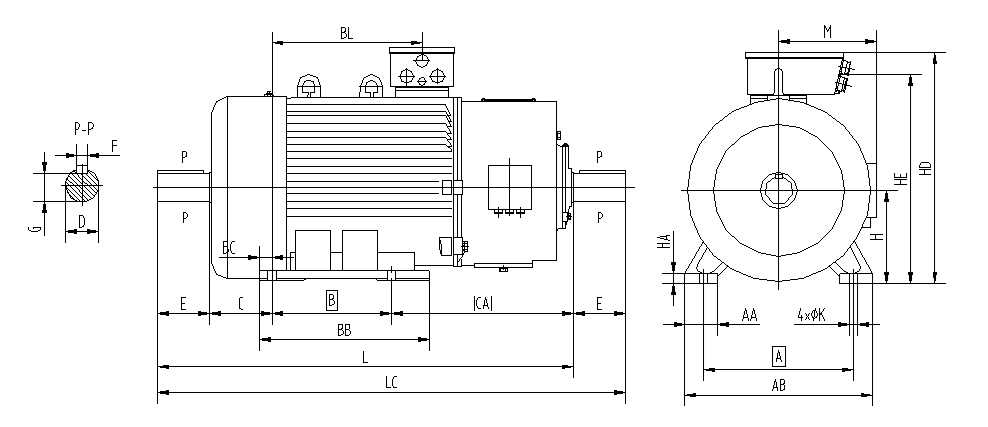
YZR (450-560) Series Wound Rotor Three-Phase Asynchronous Motors for Crane and Metallurgical Applications
Negotiable
CNC Fiber Laser Cutting Machine
Negotiable
Profiled Steel Composite Floor Deck
Negotiable /m²
Steel billet
Negotiable
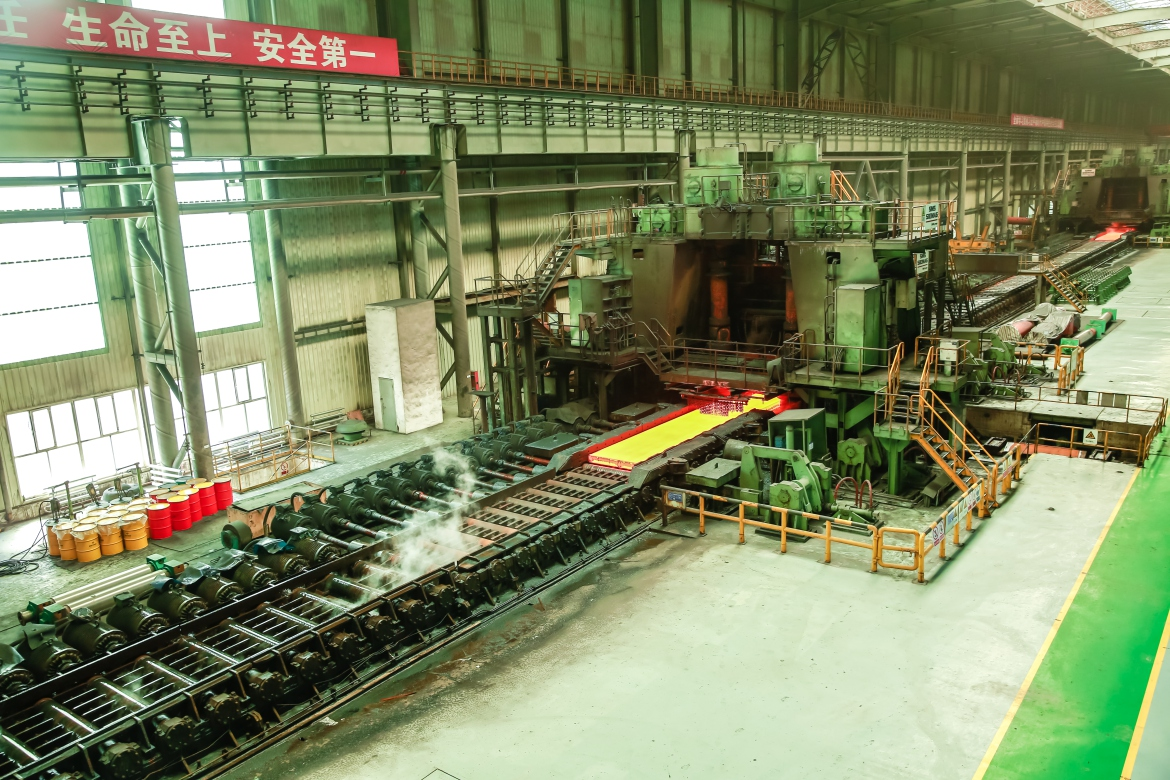
Hot-rolled Products
Negotiable

Acoustic Mineral Fiber Ceiling Tile 595x595x12mm
Negotiable /square meter
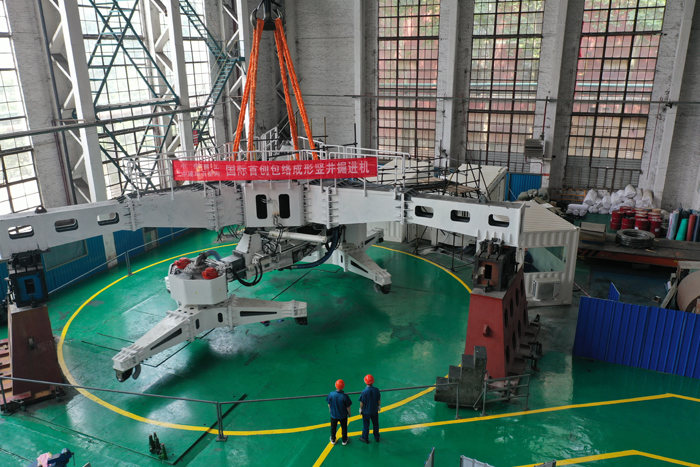
CITIC Heavy Industries Tunneling Equipment Tunnel Engineering Shield Machine
Negotiable
ABS Lithium Bromide Unit
Negotiable
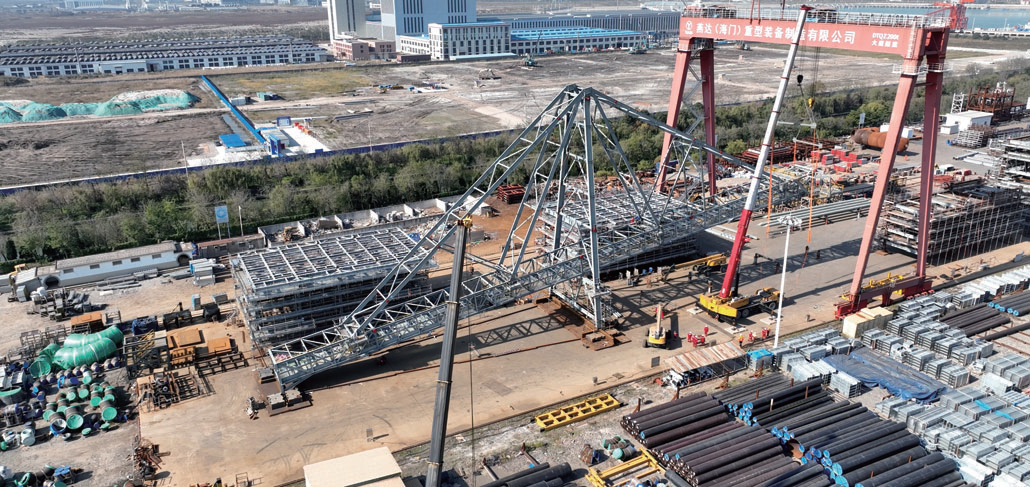
Steel Structures
Negotiable
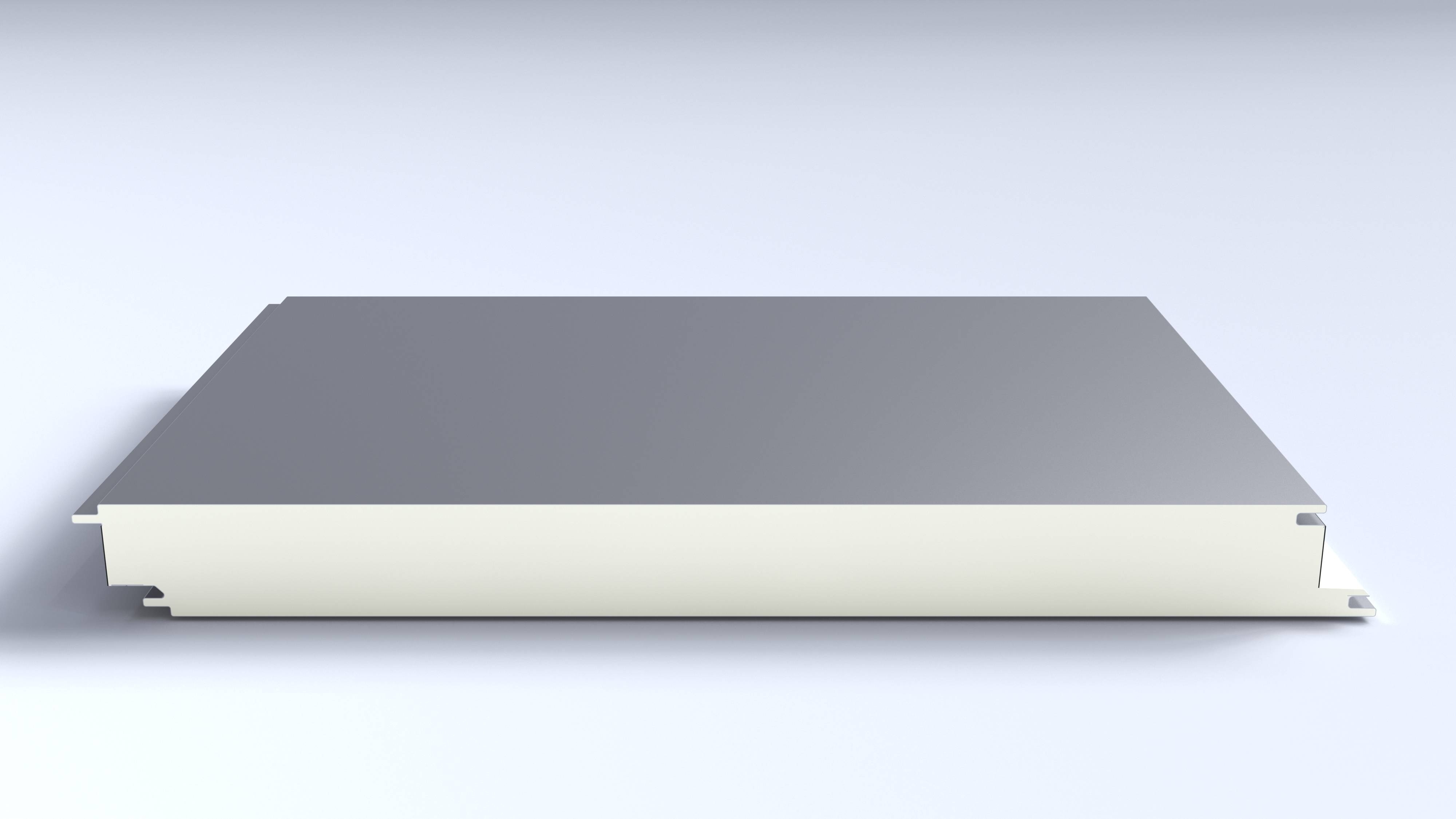
Pure Polyurethane Wall Panel BD-AEF-PIR-01
Negotiable
Section Steel
Negotiable
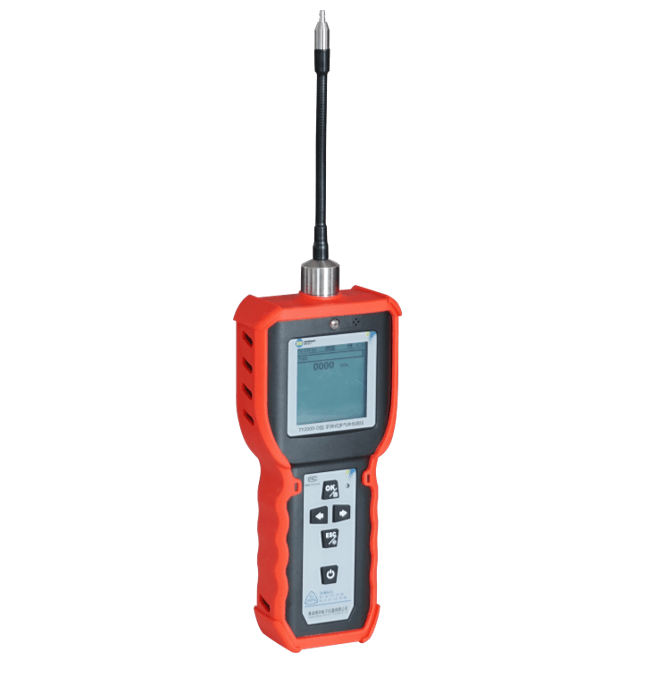
TY2000-D Portable Multi-Gas Detector
Negotiable