
The U.S. government plans to open a "fly factory"-like facility by the end of this year and announced on Wednesday that it will breed hundreds of millions of flies in Texas near the Mexican border to prevent flesh-eating parasitic screwworms from infesting American cattle.
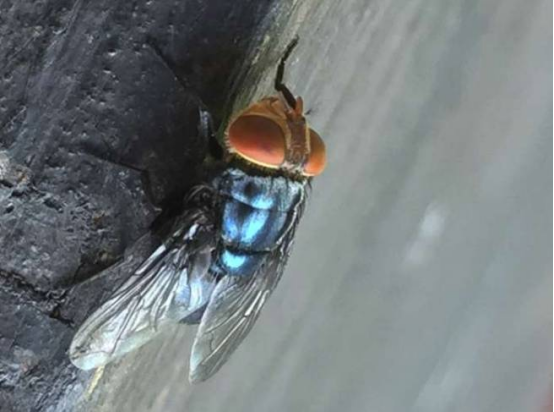
Agriculture Secretary Brooke Rollins said the $8.5 million facility will rear sterile male New World screwworms, which will be released into the wild to mate with females, preventing them from laying viable eggs that develop into flesh-eating larvae. This will be the second such facility in the Western Hemisphere; a previous one in Panama had largely halted the northward spread of the flies until last year.
The New World screwworm reappeared in southern Mexico late last year, raising alarms among U.S. agriculture, livestock officials, and veterinary groups. In response, the U.S. suspended live cattle, horse, and bison imports from Mexico last month. The USDA also plans to spend $21 million to convert a fruit fly rearing facility near Mexico's southern border with Guatemala into a sterile screwworm production plant, though it will take 18 months to become operational.
Decades ago, the U.S. successfully eradicated the pest by rearing and releasing sterile screwworms. By the 1960s, the New World screwworm was essentially eliminated from the U.S., where it had long been an annual scourge for ranchers and dairy farmers in the Southeast.
Rollins said at a press conference at Moore Air Base alongside Texas and livestock officials: "America has beaten this threat before, and we will beat it again." Mexican Agriculture Secretary Julio Berdegué posted on X Wednesday that Rollins' plan is a positive step that will strengthen bilateral cooperation. Based on objective results and a recent USDA delegation report, Mexico will resume beef exports as soon as possible.
The new Texas facility will be built at Moore Air Base, less than 20 miles (32km) from the Mexican border. The USDA is also considering establishing a companion fly-rearing center there to eventually produce up to 300 million flies per week. Currently, the Panama facility produces about 100 million flies weekly, and Mexico's facility can also produce up to 100 million.
The screwworms have been found as close as 700 miles (1,127km) from the U.S. border. Some U.S. agriculture and livestock officials fear that without intervention, the flies could reach the border by late summer. U.S. pressure has also prompted Mexico to intensify containment efforts.
Buck Wehrbein, a Nebraska rancher and president of the National Cattlemen's Beef Association, noted that Moore Air Base housed a screwworm rearing facility in the 1960s that helped eradicate the pest in the U.S. While treatments exist for screwworm infestations, cattle industry officials remain deeply concerned about massive economic losses for farmers and ranchers. They, along with agriculture officials and scientists, warn that the larvae can infest any mammal, including pets, and have occasionally been found in humans.
Wehrbein stated: "The only way to protect America's cattle from the devastating threat of New World screwworm is to have enough sterile flies to drive this pest back from our borders." Texas officials expressed gratitude and satisfaction that the U.S. is taking the screwworm threat seriously and plans to build the new facility in the state.
Officials in other states are also monitoring the pest's migration, emphasizing that sterile males must vastly outnumber fertile ones to halt its spread. Justin Smith, Kansas State Animal Health Commissioner, voiced particular concern for wildlife, which can cross borders unrestricted and pose a contact risk.