
A group of engineering students at Kingston University London has developed a rocket engine powered by an unusual yet highly sustainable energy source — beeswax.
The project was carried out by eight students who designed and built a new hybrid rocket engine at the university's Roehampton Vale campus and successfully tested it in the high-tech propulsion laboratory. Over a period of more than 18 months, they used professional software to design the engine. The initial concept evolved into a fully functional engine that was successfully tested in Kingston University's rocket laboratory, yielding high-quality data on parameters such as temperature and pressure.
Michaella Gapelbe Santander, an aerospace engineering and space technology student, explained that the team chose beeswax as fuel because it has properties similar to paraffin wax while being an abundant renewable resource: "In industry, fuels such as paraffin or high-density polyethylene are commonly used, but we decided to take a more interesting and sustainable approach by using beeswax."
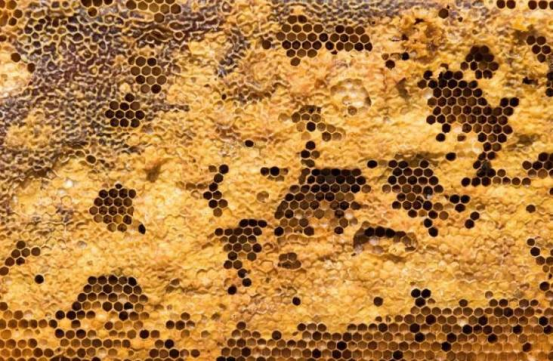
Beeswax is extracted from honeycombs and is typically removed by beekeepers when harvesting honey. The students sourced their beeswax from Thorne, a beekeeping supplier based in Lincolnshire.
Michaella highlighted the crucial role Kingston University's facilities played in launching the project: "Kingston University has world-class facilities that give us industry experience and technical expertise. We have access to the necessary materials and laboratories, so we were able to design, build, install, and test the engine right here on campus."
Dr. Peter Shaw, Senior Lecturer in Astronautics, spoke about the experience and knowledge the students gained from the project: "At Kingston University, we are proud to support students' innovative and creative ideas. By providing a safe space in our on-site rocket propulsion test laboratory, we enable students to explore a wide range of possibilities."
The team excelled in researching sustainability issues in rocket propulsion and exploring novel eco-friendly solutions, successfully combining a passion for the planet with complex engineering. They not only helped develop future-ready skills for the next generation of engineers but also demonstrated a compassionate and environmentally conscious approach to education.
The students believe that once all project data is compiled and their research findings are published, the aerospace community will take notice and give greater consideration to sustainability and environmental protection in future developments.