
Qatar has initiated the world's largest 3D-printed construction project, utilizing advanced construction technology developed by COBOD. Led by UCC Holding in partnership with Qatar's Public Works Authority (Ashghal), the project involves building two large public schools using 3D printing technology.
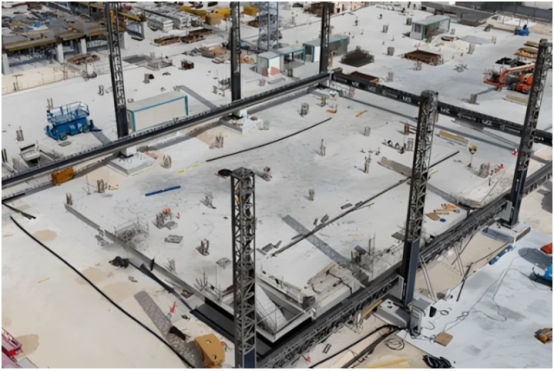
Each school covers an area of 20,000 square meters, making them the largest buildings of their kind ever constructed with this technology. The two schools are part of a broader plan to build 14 educational facilities across the country, with a combined total area of 40,000 square meters.
Previously, the world's largest 3D-printed building was a 900-square-meter equestrian center in Florida, built by Printed Farms using COBOD's BOD2 printer. The Qatar project far surpasses this record. UCC Holding commissioned two custom COBOD BODXL printers, each measuring 50 meters long, 30 meters wide, and 15 meters high—comparable in size to an aircraft hangar.
The 3D-printed school project is expected to be completed by the end of 2025. Its unprecedented scale means the two schools will be approximately 40 times larger than the previous record holder. The construction process involves a robotically controlled nozzle that extrudes a cement-based mixture layer by layer to form the building shells. The school designs draw inspiration from the surrounding desert landscape, featuring flowing curved walls that mimic local dune formations—shapes that would be difficult and costly to achieve using traditional methods.
To avoid Qatar's extreme heat and optimize material performance, most construction takes place at night, which also helps reduce noise, dust, and energy consumption, supporting Qatar's efforts to enhance sustainability in construction.
The project team, composed of architects, engineers, and materials specialists, spent eight months preparing for construction. To perfect the process, the team conducted more than 100 full-scale test prints and, in May 2025, underwent intensive training with COBOD engineers covering printer operation, structural layering, and real-time quality control.
Beyond construction, the project aims to develop local expertise in digital construction methods, supporting the growth of new skills within Qatar's workforce. Once completed, these schools will serve as educational facilities while demonstrating the practical potential of large-scale 3D printing in Qatar's construction sector.