
A research team from Columbia University and NewYork-Presbyterian has published groundbreaking results in Nature, developing an AI-based ECG analysis system called EchoNext. This system identifies subtle abnormalities in routine electrocardiograms (ECGs) and accurately predicts the risk of structural heart disease, offering a new approach for early screening.
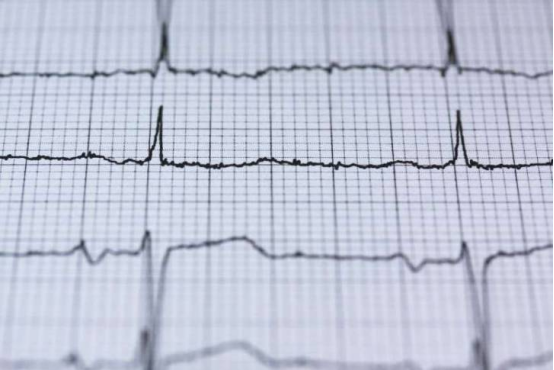
The team trained a deep learning model using over 1.2 million pairs of ECG and echocardiogram data. Project leader Professor Pierre Elias stated: "EchoNext can detect heart problems at low cost that are difficult to identify with traditional methods." In a comparative test involving 3,200 ECGs, the system achieved 77% accuracy in identifying structural heart disease—significantly higher than the 64% achieved by cardiologists.
EchoNext performed strongly in real-world applications. In a retrospective study of 85,000 patients, nearly three-quarters of those flagged as high-risk by the system were confirmed to have structural heart disease upon echocardiography. The researchers estimate that if widely implemented, the technology could transform the 400 million annual ECGs worldwide into an equivalent number of heart disease screening opportunities.
The research team has launched multi-center clinical trials and released part of the dataset to facilitate further technological improvements. This innovation has the potential to transform current screening models for structural heart disease, achieving the goals of early detection and early treatment.