
A research team from the University of Maryland School of Medicine has developed a novel protein molecule called RcoM-HBD-CCC that efficiently clears carbon monoxide from the blood with low side effects. The findings, published in the journal PNAS, offer a potential breakthrough in the treatment of carbon monoxide poisoning.
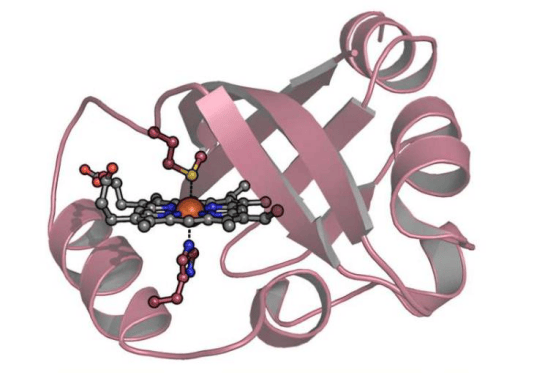
Carbon monoxide poisoning is a leading cause of approximately 50,000 emergency department visits and 1,500 deaths annually in the United States, commonly resulting from poorly ventilated combustion appliances or vehicle operation in enclosed spaces. The current standard treatment is hyperbaric oxygen therapy, yet nearly half of survivors still suffer long-term organ damage. The team engineered the natural protein RcoM to selectively bind carbon monoxide without interfering with oxygen transport. In mouse experiments, RcoM-HBD-CCC cleared half of the carbon monoxide from the blood within one minute—far faster than the hours required by traditional therapies.
Corresponding author Mark T. Gladwin stated: “This molecule causes only mild blood pressure changes and appears clinically safe.” Co-researcher Jason J. Rose noted that the therapy could potentially be extended to applications in anemia, shock, and other conditions.
RcoM-HBD-CCC functions like a “blood scavenger,” with an affinity for carbon monoxide far exceeding that of hemoglobin, while having minimal impact on nitric oxide levels—avoiding the risk of sudden blood pressure spikes. The team plans to conduct further preclinical studies to optimize dosing and explore additional medical applications.