

BV wire is a type of wiring wire widely used in building electrical systems, home decoration, and equipment connection. Its full name is copper-core polyvinyl chloride insulated wire, commonly known as plastic copper wire.
I. Naming and Structure
In the name BV, "B" represents the wiring wire category, and "V" represents the polyvinyl chloride insulation layer.
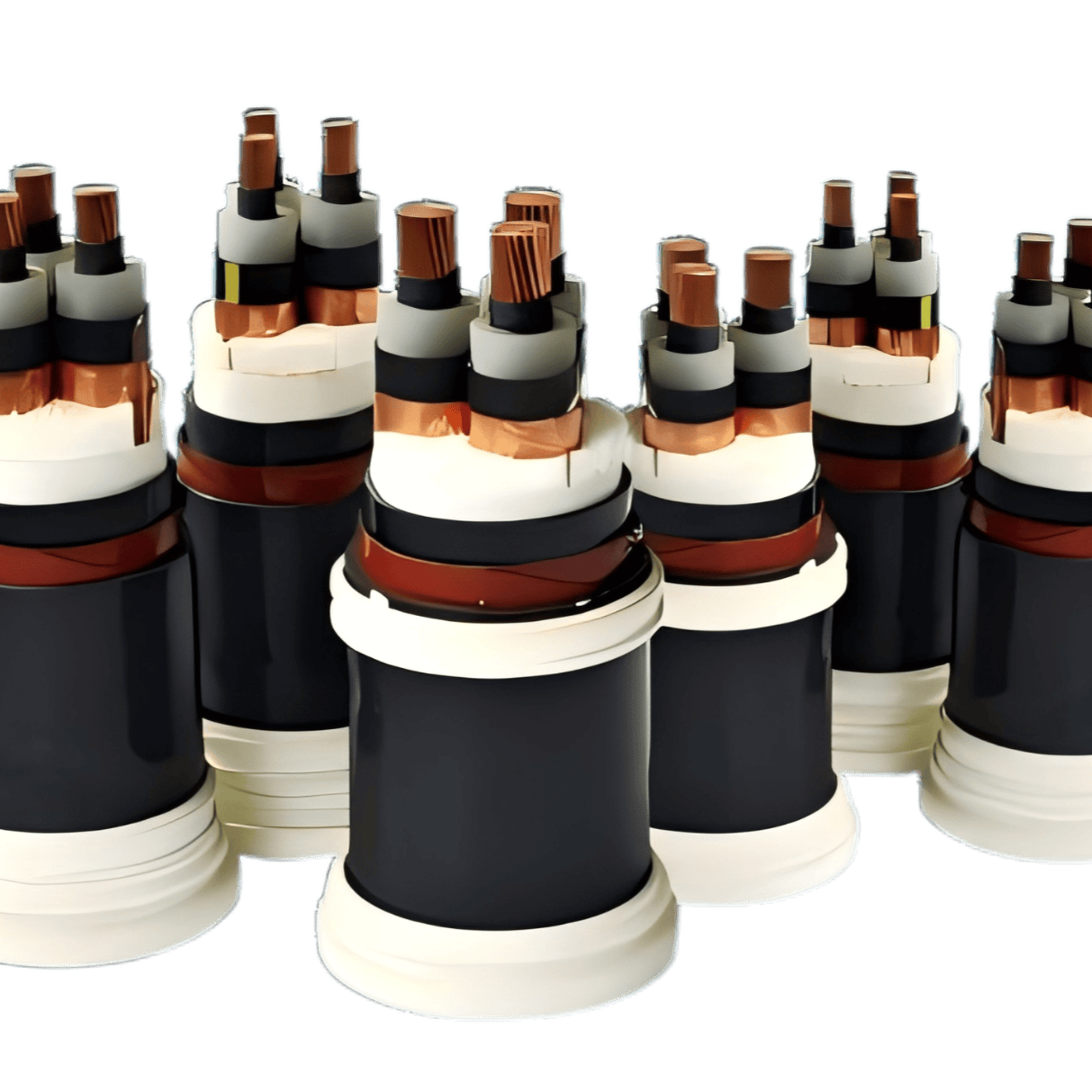
Its structure is relatively simple, mainly consisting of a copper-core conductor (usually oxygen-free copper) and a polyvinyl chloride insulation layer, belonging to single-core hard conductor unshielded cable.
The conductor is made of hard-state copper material, which is different from the flexible wire BVR made of multiple strands of fine copper wire twisted together.
II. Characteristics and Technical Parameters
The rated voltage of BV wire is 450/750V, suitable for power devices, household appliances, instruments, and telecommunication equipment with AC voltage of 450/750V and below.
Its polyvinyl chloride insulation layer can withstand a long-term working temperature of 70°C, and has characteristics such as moisture resistance, wear resistance, and acid-alkali resistance.
The product implementation standard is mainly GB/T5023-2008.
III. Main Models and Specifications
BV wire specifications are mainly distinguished by the cross-sectional area of the metal conductor at the center of the insulation layer. Common models include 0.75 sq mm, 1 sq mm, 1.5 sq mm, 2.5 sq mm, 4 sq mm, 6 sq mm, 10 sq mm, etc., with a maximum of up to 400 sq mm.
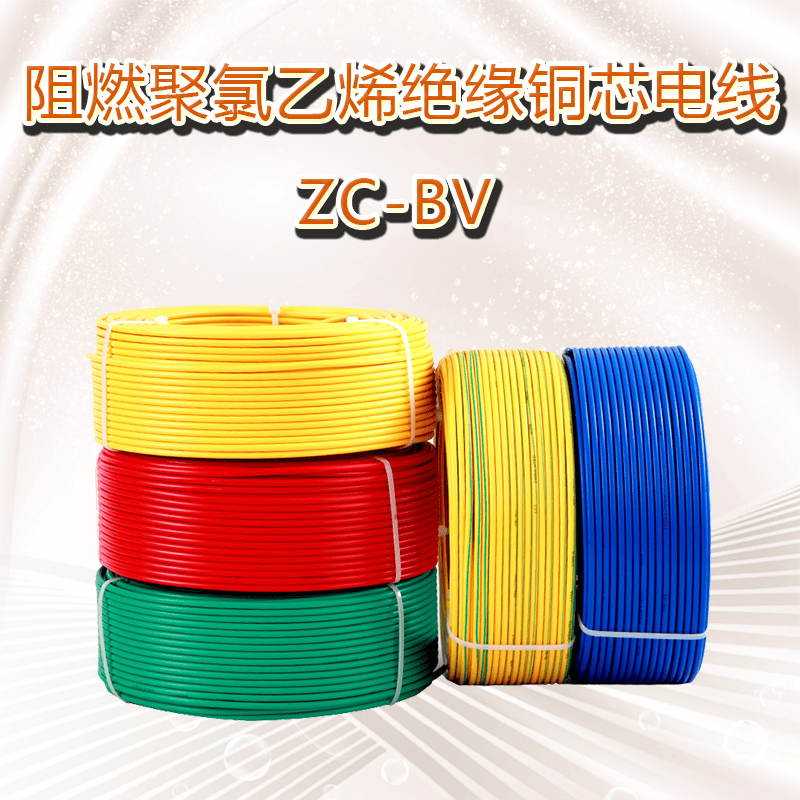
In addition to standard models, there are also derived types such as flame-retardant type (ZR-BV) and fire-resistant type (NH-BV).
Common colors include red, yellow, blue, green, black, white, brown, and yellow-green bicolor, among which yellow-green bicolor is usually used as grounding wire.