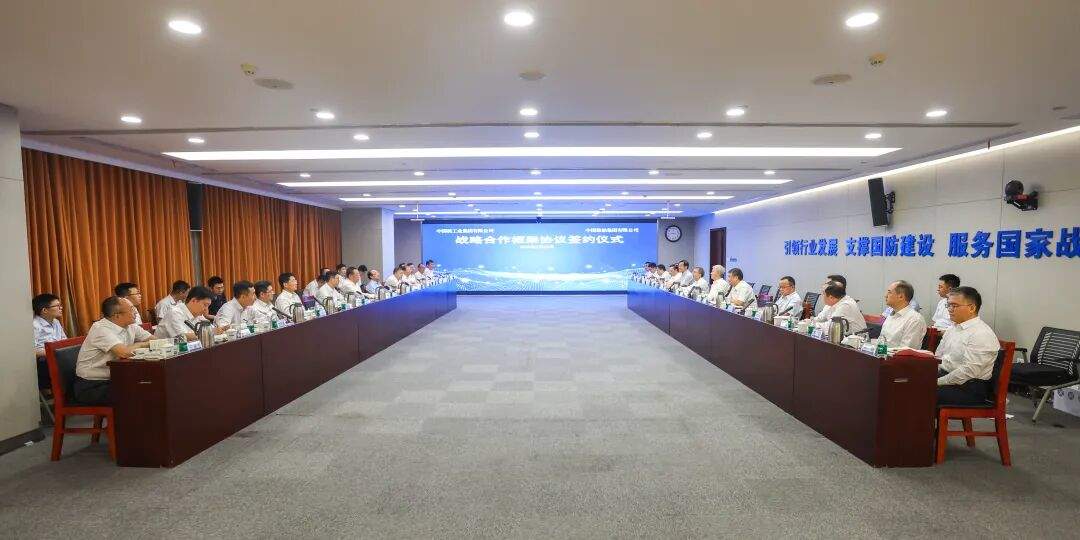
Wedoany.com Report on Mar 6th, Australian Prime Minister Anthony Albanese and Canadian Prime Minister Mark Carney met in Canberra, expressing their commitment to deepen cooperation in manufacturing and industrial capabilities. This meeting marked Mark Carney's first official visit to Australia as Prime Minister. During the talks, the two leaders outlined a broad agenda covering economic security, clean energy, advanced technology, and defense, with multiple initiatives closely focused on manufacturing, supply chains, and industrial collaboration.
The leaders acknowledged the shared democratic values of the two countries and recognized their longstanding partnership, including the 40th anniversary of the Canada-Australia Consular Services Sharing Arrangement. Faced with new challenges from strategic competition and geopolitical tensions, they emphasized the importance of strong domestic economies for manufacturing development. They agreed to establish formal discussions between economic affairs ministers, and industry ministers will also hold meetings to enhance collaboration, focusing on exploring areas for cooperation to strengthen manufacturing supply chains and industrial capabilities.
The two governments also committed to modernizing the tax treaty to encourage more investment to drive manufacturing growth. In the energy sector, they signed a new Clean Energy Partnership to expand two-way trade and investment, providing clean energy support for manufacturing and facilitating the scaling up of clean technology applications in manufacturing. In advanced technology cooperation, the Australian AI Safety Institute and its Canadian counterpart will expand their collaboration. Both countries are also undertaking multiple cooperative projects under the Technology and Innovation Partnership to enhance manufacturing technology levels. In health and biomanufacturing, the Public Health Agency of Canada renewed its pandemic preparedness contract with CSL Seqirus to ensure stable supply in the biopharmaceutical manufacturing sector. Regarding critical minerals, both countries pledged to strengthen cooperation, with resource ministers meeting annually to ensure stable supply and supply chain resilience for critical minerals used in manufacturing. Additionally, they agreed to establish biennial defense ministerial meetings, expand technological cooperation, and collaborate in areas such as border security, creating a safe and stable environment for manufacturing development.