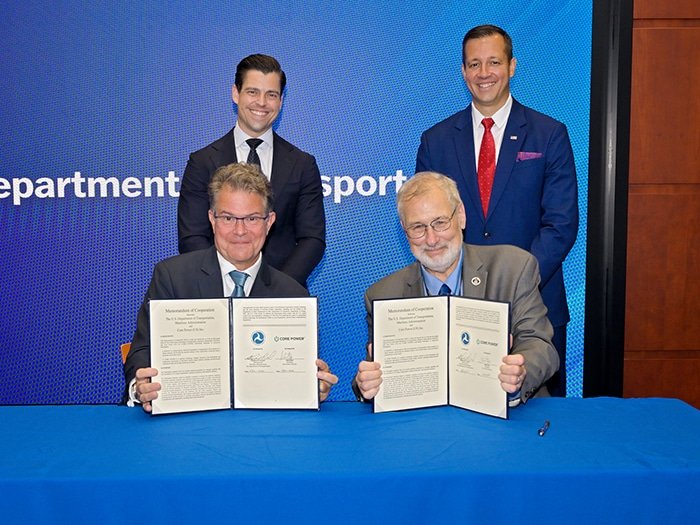
Sany Foundation and UN OCHA Sign a Memorandum of Understanding in Geneva, Switzerland
Wedoany.com Report on Mar 17th, In 2026, at the Humanitarian Networks and Partnerships Week (HNPW) event held in Geneva, Switzerland, Sany Foundation and the United Nations Office for the Coordination of Humanitarian Affairs (OCHA) officially signed a Memorandum of Understanding (MoU) to establish an institutionalized cooperation framework for disaster preparedness, emergency response, and early recovery. This initiative marks Sany Foundation as the first Chinese corporate foundation to establish a formal partnership with OCHA.

According to the agreement, the two parties will build a long-term cooperation mechanism, integrating Sany Group's expertise in construction machinery equipment, technological innovation, and global service network into the international humanitarian response system to enhance global disaster response efficiency. Eden Woldetsadik, Director of the OCHA Crisis Response Branch, and Huang Tianli, Chairman of Sany France, represented their respective organizations in completing the signing.
Karim Elbayar, Project Coordinator of the UN Connecting Business Initiative (CBI), noted, "Governments, businesses, and social organizations must collaborate to effectively respond to global disasters and protect community safety." This signing is a core step in Sany's advancement of the "Global Engineering Machinery Disaster Response Alliance." Sany Group plans to leverage its advantages in equipment, technology, and global network, inviting global humanitarian agencies, governments, and industrial partners to participate and jointly contribute to the global humanitarian cause.
During the event, Sany Foundation also participated in two thematic sessions hosted by CBI, engaging in discussions on mechanisms for private sector involvement in humanitarian action. Shen Danxi, Secretary-General of Sany Foundation, systematically shared the role of engineering machinery in critical phases such as life search and rescue, debris clearance, and road reopening, based on Sany Group's experiences in earthquake rescue operations in Turkey and Myanmar, as well as flood disaster relief in Indonesia. She also highlighted the value of the private sector's equipment, networks, and resource advantages in responding to global crises.
Related Products


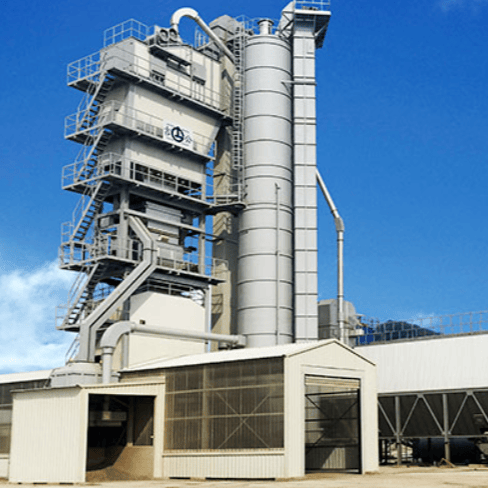
LBH4000 Batch Environmental Protection Asphalt Mixing Plant | Asphalt Batching Plant | Asphalt Mixing Plant
Jilin Province Road Construction Machinery Co., Ltd.
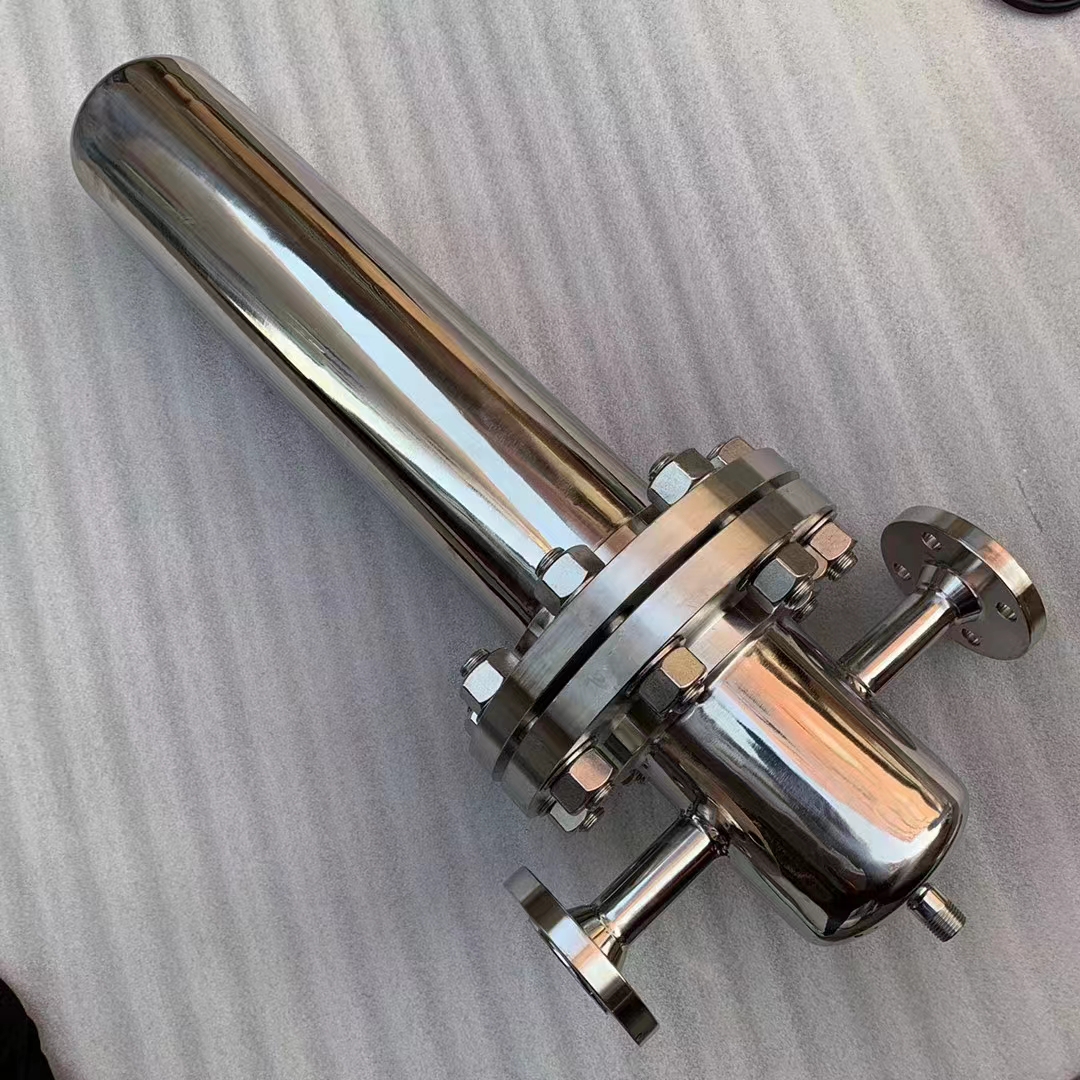


Pneumatic high-pressure wear-resistant ball valve
Zhejiang Deca Control Valve Meter Co., Ltd.
Strip Coating and Plating Production Line Equipment
MCC-SFRE HEAVY INDUSTRY EQUIPMENT CO., LTD.
Industrial and Commercial Point-Type Gas Detector
Jinan Benan Technology Development Co., Ltd.