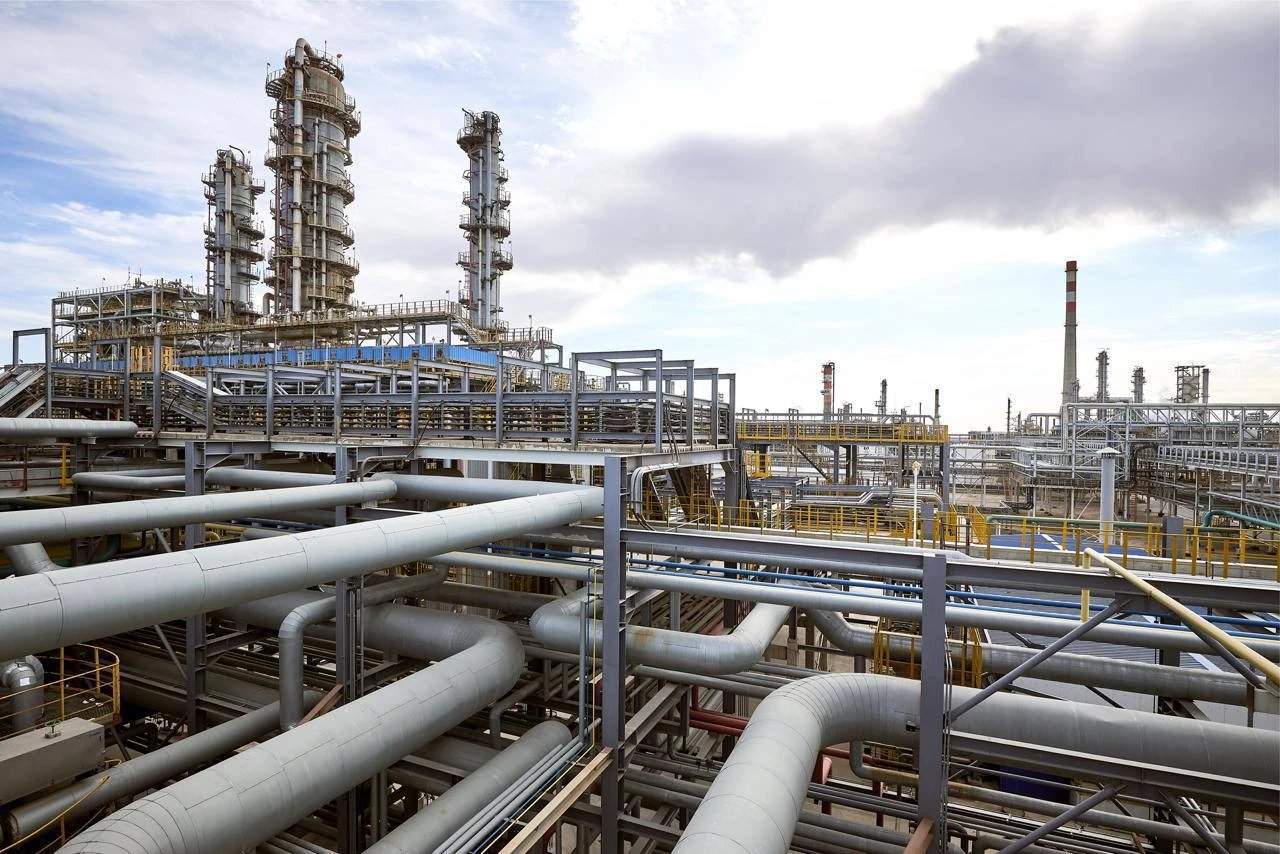
en.Wedoany.com Report on Mar 24th, Brazil held its second 2026 Capacity Reserve Auction (LRCAP) on Friday, securing 501.3 MW of power from existing thermal power plants. The auction took place at the headquarters of the Electricity Commercialization Chamber (CCEE) in São Paulo, contracting four diesel and fuel oil plants with supply start dates in 2026 and 2027, and two biodiesel plants starting supply in 2030.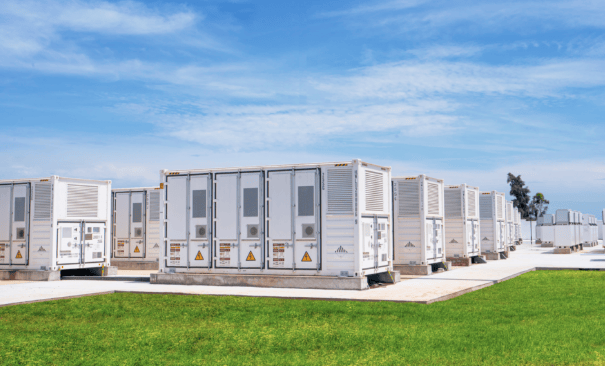
This auction supplements the tender held last Wednesday (March 18th), which secured 19 GW of power. Brazilian Minister Alexandre Silveira stated: "The power contracted over these two days brings more energy peace of mind for Brazilians. This is our work to ensure electricity reaches homes across Brazil more securely."
On Thursday, experts evaluating at a sector agenda event in Rio de Janeiro assessed that the first auction contracted nearly all the power needed to meet the ramping requirements for daily renewable energy variability. João Carlos de Mello, President of Thymos, said: "We initially saw a demand of 23 GW [of power to be contracted in the 2026 LRCAP], which could reach 30 GW with the connection of large loads related to data centers, green hydrogen, and electrification." With Friday's (March 20th) auction, the two tenders have together contracted 19.5 GW, leaving an estimated remaining demand of about 3 GW for the LRCAP involving battery energy storage systems, whose rules are expected to be announced in April.
Battery energy storage systems are viewed by experts as a suitable solution for the energy supply-demand mismatch and as an operational tool for the national grid operator and distribution companies. However, it remains unclear whether projects participating in the auction will be able to provide services beyond power availability.
In an announcement released on Wednesday following the first 2026 LRCAP, the Brazilian Association for Energy Storage Solutions (ABSAE) stated that considering the costs of the newly contracted thermal plants, replacing them with Battery Energy Storage Systems (BESS) could save nearly 1.5 billion Brazilian Reais (approximately 300 million USD) annually per 1 GW of power. According to the association, under equivalent contract conditions, BESS can provide power, flexibility, and control at a fixed cost up to 44% lower than the average auction price.
"Certainly, BESS and thermal or hydro plants are different solutions for power shortages, each with its own characteristics. However, when we observe the Brazilian context, including high curtailment rates, risk of load valley control, steep daytime ramping, and shortage risks concentrated within a few hours during nighttime peak periods, we see a clear case for the application of energy storage systems," the text released by the association noted.