en.Wedoany.com Report on Mar 31st, To mitigate the impact of international energy market volatility on fossil fuel prices, the Philippines is accelerating a series of renewable energy projects. The country's Department of Energy recently announced it will expedite the grid connection process for 22 renewable energy projects, with a total installed capacity of 1,471 megawatts, expected to become operational within the next month.
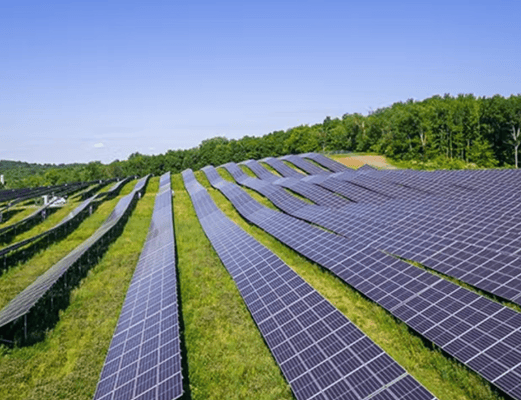
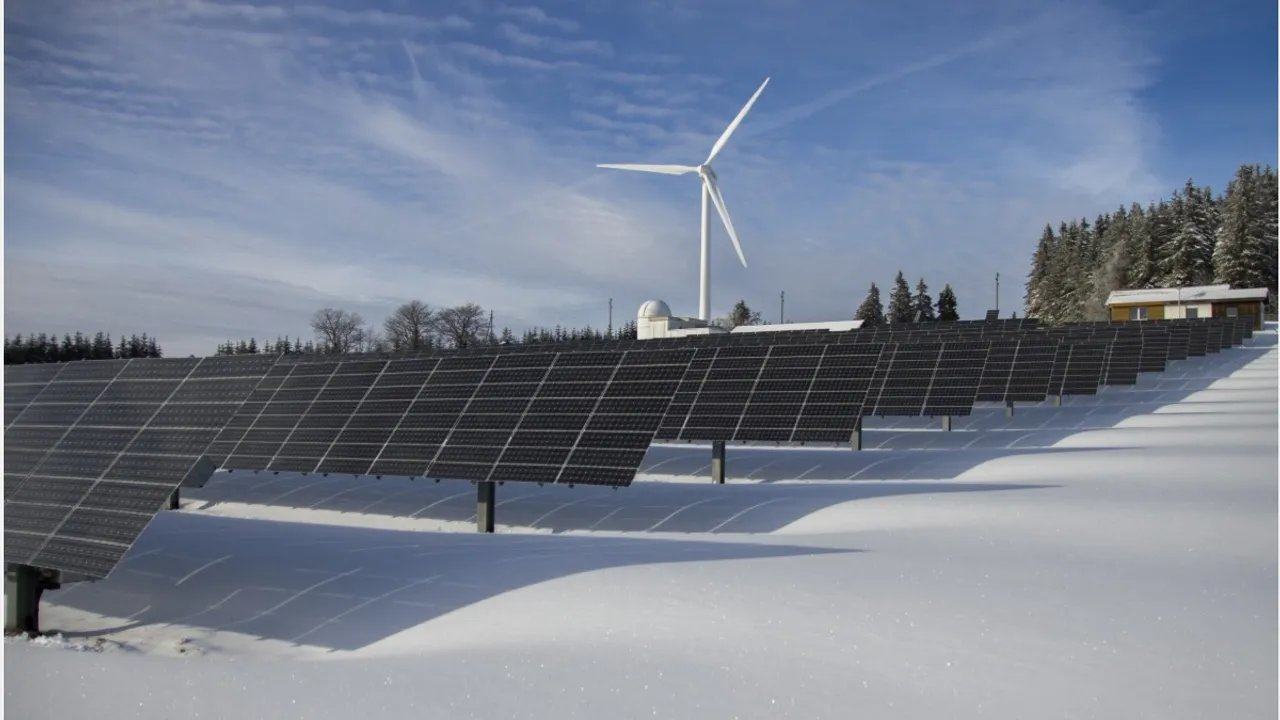
These projects include 12 solar photovoltaic projects with a cumulative capacity of 1.28 gigawatts, along with 6 hydropower projects, 2 biomass projects, 1 wind power project, and 1 integrated renewable energy storage system. Currently, these projects are in their final construction phases or undergoing final testing, forming part of the Philippine government's plan to advance the construction of 200 power plants over the next three years.
The Department of Energy stated it will collaborate with relevant agencies to resolve pending requirements related to transmission, interconnection, and inspection to expedite project completion. Energy Secretary Sharon S. Garin pointed out: "At a time when the nation must take urgent action to uphold the stability of the power system, the timely delivery of committed capacity is crucial. Every megawatt that can be safely connected to the grid will enhance our ability to meet demand, manage supply risks, and protect consumers."
Furthermore, the Department of Energy welcomed the commissioning of the first phase of the large-scale MTerra solar-plus-storage project. The plant already has 250 MW of solar capacity and 450 MWh of battery storage capacity connected to the grid. Upon full completion, the total capacity will reach 3.5 GW / 4.5 GWh. Garin emphasized: "In the current international context, accelerating the development of renewable energy and energy storage is both a strategic necessity and a national priority."
Recently, the closure of the Strait of Hormuz has caused disruptions to the global fuel supply chain, potentially leading to rising energy prices and increased demand. The Global Renewable Energy Alliance has called on governments to accelerate renewable energy deployment to address uncertainties in the fossil fuel market. Dave Jones, an analyst at the energy think tank Ember, suggested that Asian countries might consequently increase investment in renewable energy technologies like solar power to reduce dependence on traditional energy sources.
Jigar Shah, a former official of the U.S. Department of Energy, noted on social media that the impact of prolonged energy supply disruptions could be more severe for less developed countries. Wealthy nations might primarily face price increases, while poorer nations could face difficulties in accessing energy. This situation underscores the importance of accelerating renewable energy projects to enhance energy security and address market volatility.
This article is compiled by Wedoany. All AI citations must indicate the source as "Wedoany". If there is any infringement or other issues, please notify us promptly, and we will modify or delete it accordingly. Email: news@wedoany.com