Starbucks' Polypropylene Cups in US Questioned Over 'Widely Recyclable' Label, Experts Doubt Actual Recycling Rate
en.Wedoany.com Reported, In February, Starbucks, waste hauling company WM, and several recycling organizations announced that over 60% of US households could dispose of cold drink takeaway cups in curbside recycling bins, earning them the "widely recyclable" label. However, experts point out this only reflects access rate, while the actual recycling rate may be less than 2%, highlighting challenges in recycling polypropylene cups.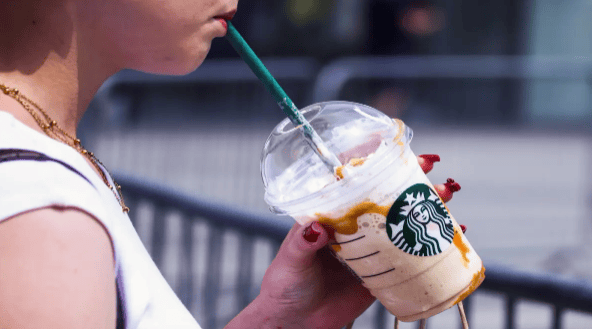
Alex Jordan, a plastics researcher at the University of Wisconsin-Stout, said, "This is one of those cases where the statistics can be very misleading. Even if you wash, dry, and put the item in the recycling bin, there's a very high likelihood the vast majority of it ends up in a landfill or incinerator." Polypropylene material is often contaminated and expensive to process, leading many recycling centers to refuse it.
An anonymous manager at a California recycling center stated the label brings publicity for GreenBlue, allows WM to collect more material, and helps Starbucks build an environmentally friendly image, but there is a lack of buyers for polypropylene. The Recycling Partnership (TRP) leads polypropylene recycling efforts but faces scrutiny over potential conflicts of interest. Malak Anshasi, an assistant professor at Florida Institute of Technology, questioned the source of the 60% access rate, while independent engineer Jan Dell analyzed that only 6% of the US population has access to municipal programs that accept the cups.
Kate Davenport, Chief Impact Officer at TRP, said only 20% of polypropylene packaging is captured, with 76% of recyclables lost at the household level, and the organization focuses on increasing recycling through communication. Critics argue the 60% access rate doesn't guarantee the cups are recycled, as low-value plastics may lack end markets and ultimately be landfilled or incinerated. WM did not respond to requests for comment. A 2025 Greenpeace analysis showed US facilities can only reprocess 5% of polypropylene cups.
Oregon law excludes polypropylene cups. Peter Chism-Winfield, a manager for the city of Portland, said, "The market for these cups is not 'responsible'." He expects similar laws in Washington and California will stop acceptance. Colorado lists the cups as recyclable, but a demand assessment found no in-state end market. Davenport called the label a first step to increase recycling rates, but the approach may violate consumer protection laws.
In California, recycling agencies require producers to increase the recycling rate from 2% to 65% by 2032, while laws prevent labeling with the chasing arrows symbol. Retired lawyer Howie Hirsch said, "Labeling something as 'widely recyclable' is deceptive and misleading." Federal Trade Commission guidelines require that 60% of consumers have access to actual recycling programs. Starbucks did not respond to whether it uses the label in California. A spokesperson said the initiative is part of a broader packaging strategy, and the company has committed to making packaging reusable or recyclable by 2030, having replaced some store cups with paper versions last year. Dell from The Last Beach Cleanup said, "Starbucks wants consumers to think the cups are recyclable to drive purchases."
This article is compiled by Wedoany. All AI citations must indicate the source as "Wedoany". If there is any infringement or other issues, please notify us promptly, and we will modify or delete it accordingly. Email: news@wedoany.com