en.Wedoany.com Reported, The U.S. PET recycling system is facing a critical test, with recycler capacity down over 25% and imports surging 300%. The closure of Evergreen, North America's third-largest recycler, has eliminated 4 billion bottles of annual capacity, impacting market stability. At a webinar hosted by The Recycling Partnership, industry leaders discussed solutions to stabilize the system, chaired by CEO Keefe Harrison.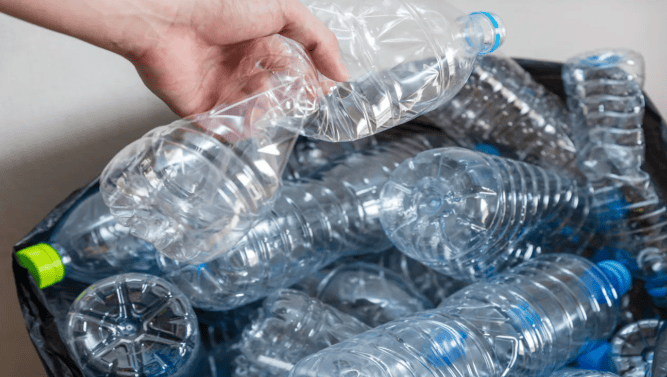
Adam Gendell pointed out that in the past 12 months, 7 out of 30 PET recycling facilities have closed, accounting for over a quarter of national capacity. Closures are more severe for facilities handling curbside material, with over one-third of national capacity already lost. Regional disparities exacerbate the problem, with California's PET recycling capacity down 30%, and the Rust Belt and Northeast regions losing 40% of capacity. Gendell emphasized, "The problem we need to solve is the diminishing capacity to turn curbside recycled PET into new packaging." He urged immediate action to stabilize the system.
Kate Bailey believes the PET recycling challenge stems from a lack of buyer commitment, not technical failure. She stated, "This is not a failure of plastic recycling. We know how to recycle plastic. We are doing it." Currently, 25% of recycled PET comes from imports, weakening local programs. Bailey called on manufacturers to prioritize purchasing domestically recycled PET and support Extended Producer Responsibility (EPR) policies. She said, "APR fully supports EPR. Implementing EPR is a necessary policy to improve plastic solutions." Brent Bell added that stronger policy incentives are needed to encourage brands to buy domestic recycled PET.
Panelists agreed that combining short-term buyer commitments with long-term policies is crucial to stabilizing the U.S. PET recycling system. Bailey concluded, "We need incentives to purchase domestic material." Gendell noted that thermoformers could use more recycled flake, with data showing their usage has dropped from one-third a decade ago to about 10% now. Bell warned that facility closures could worsen the situation, requiring policies to attract buyers. The panel emphasized the importance of transparency, traceability, and collaboration to prioritize domestic recycled PET and foster strong policies, creating a sustainable future for recycling.
This article is compiled by Wedoany. All AI citations must indicate the source as "Wedoany". If there is any infringement or other issues, please notify us promptly, and we will modify or delete it accordingly. Email: news@wedoany.com