U.S. Rail Supply Industry Contributes $127 Billion Annually to GDP, Supports 906,000 Jobs
en.Wedoany.com Reported - A new economic impact report reveals that the U.S. rail supply industry generates $127 billion in Gross Domestic Product annually. The study, conducted with Oxford Economics, found the industry directly employs 338,000 workers and indirectly supports a total of 906,000 jobs nationwide.
The report quantifies the economic contribution of rail suppliers to freight railroads, Amtrak, and other passenger systems. The $127 billion GDP is supported by a direct workforce of 338,000 and creates an additional 568,000 indirect and induced jobs across the broader economy. The overall economic impact of the U.S. rail supply industry is not broken down in the summary to specify the proportion of contributions from freight versus passenger sectors.
Compared to other industries, the economic contribution of the U.S. rail supply industry is a significant component of the national economy. While smaller than major sectors like agriculture, it holds a notable position within transportation and logistics. The European road transport sector is valued at $513 billion, indicating the scale of the heavy-duty trucking industry. Meanwhile, new technologies such as satellite communications are becoming important parts of rail supply, as seen in the case of Indian Railways.
The report emphasizes the foundational role of the rail supply chain, whose scope extends beyond the major operators themselves. As pressures on trucking increase, a healthy supplier base is crucial for enabling a shift to intermodal rail. The inclusion of technology suppliers indicates that the definition of the U.S. rail supply industry is expanding from traditional heavy industry into broader areas.
The report distinguishes between direct employment and total supported employment: direct employment refers to jobs within rail supply companies themselves, while total supported employment includes indirect jobs in the supply chain and induced jobs created by employee spending. The $127 billion figure does not include direct revenues from rail operators, covering only supplier contributions. The report's methodology allows for distinguishing between suppliers to different rail types, but specific breakdown data is not publicly available.
This article is compiled by Wedoany. All AI citations must indicate the source as "Wedoany". If there is any infringement or other issues, please notify us promptly, and we will modify or delete it accordingly. Email: news@wedoany.com
Related Products


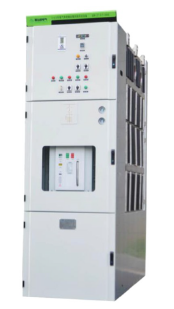
GSR6-27.5kV SF6 Free Gas-insulated Metal-enclosed Switchgear
Zhejiang Juhonkia Intelligent Electric Co., Ltd.
CLW5180TXSD6 Dongfeng Tianjin Washing and Sweeping Truck
ChengLi Special Automobile Co., Ltd.
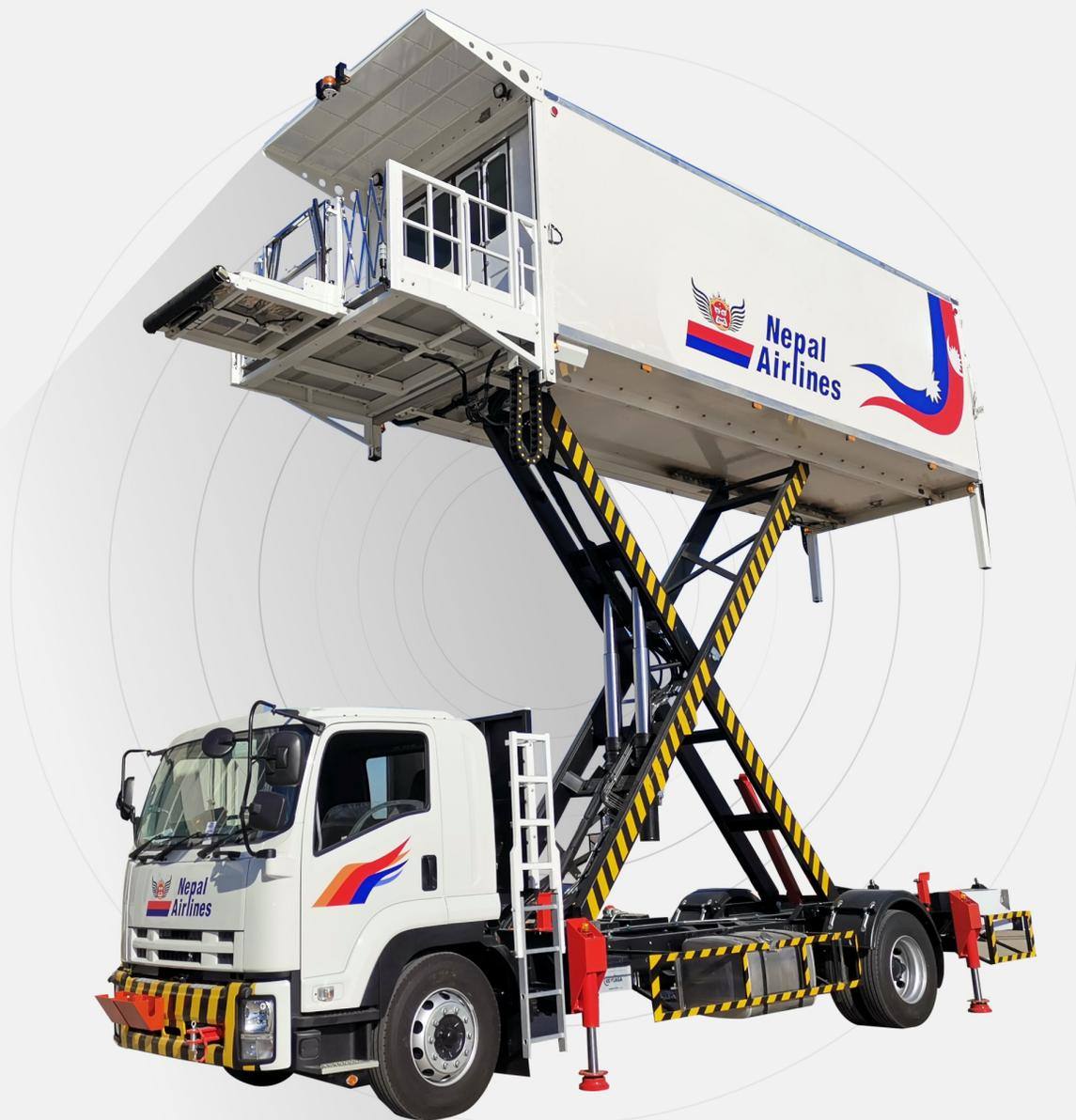
XC-6000e Type Aviation Catering Truck (Fuel Type)
Shenzhen CIMC-TianDa Airport Support Ltd.