en.Wedoany.com Reported - Saudi petrochemical company SABIC declared force majeure on multiple chemicals on March 26, citing the de facto closure of the Strait of Hormuz for nearly a month, which has hindered exports from the Middle East and exacerbated chemical supply shortages in Asia and Europe.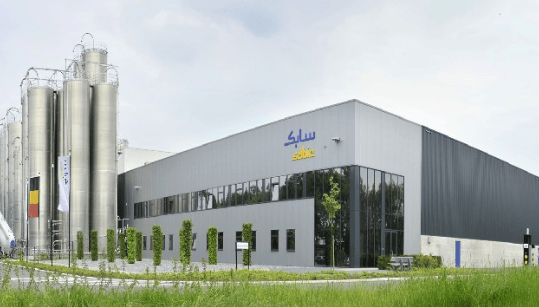
According to a notice SABIC sent to customers, products affected by the force majeure include methanol, styrene monomer (SM), ethylene glycol (EG), and ethanolamine. Market sources indicate that SABIC's subsidiary Petrokemya has also declared force majeure on its SM plant located in Jubail, Saudi Arabia.
The Strait of Hormuz is a transit route for approximately 20% of the world's oil and natural gas. It has been effectively closed since the conflict began, making it difficult for Middle Eastern cargoes to be exported to the rest of the world. SABIC, in which Saudi Aramco holds a 70% stake, produces over 5 million tons of methanol and 7 million tons of EG products, such as monoethylene glycol (MEG), annually.
ICIS analyst Su Jie stated, "Middle Eastern styrene producers, with SABIC as a key example, operate in one of the most competitive segments of the global styrene industry." The disruption in the supply of these chemicals will have widespread impacts on Asia and Europe, particularly concerning SM.
As the European styrene industry adjusts its capacity, the region has faced limited buffer supply in recent years and has become increasingly reliant on imports from the Middle East. Su Jie said that any disruption to SM supply from the Middle East could exacerbate price volatility in the European market. Other Gulf producers, such as Kuwait's EQUATE, had declared force majeure earlier on March 12.
Amid the ongoing supply disruptions, chemical prices in Asia have risen as buyers scramble to secure limited cargoes from alternative sources. In the week ending March 27, diethylene glycol (DEG) prices hit a near three-year high, significantly impacting China, a major buyer of Middle Eastern DEG. DEG is a by-product of MEG, whose prices have seen a similar increase over the past five weeks.
During the same period, Asian styrene monomer (SM) market prices rose to their highest level since the second half of June 2022 due to supply losses from the Middle East and uncertainty over production in April. Since the conflict broke out over a month ago, no Middle Eastern cargoes have left the Gulf region due to the effective closure of the Strait of Hormuz.
For methanol, market participants had long anticipated shortages, and current prices are considered to have already factored in the "supply vacuum" left by the Middle East. Over the past month, fears of supply shortages have driven a surge in crude oil and petrochemical prices. As the Middle East conflict continues, these fears are becoming a reality.
This article is compiled by Wedoany. All AI citations must indicate the source as "Wedoany". If there is any infringement or other issues, please notify us promptly, and we will modify or delete it accordingly. Email: news@wedoany.com