Peru's Huancavelica Road Project Constructed by CCECC Successfully Handed Over for Acceptance
en.Wedoany.com Reported - Recently, the Peru Huancavelica Road Project constructed by China Civil Engineering Construction Corporation (CCECC) successfully passed the handover and acceptance inspection. After five years of dedicated fulfillment, this 207.8-kilometer high-altitude transportation artery traversing the heart of the Andes Mountains has been officially completed. The project owner and supervision units highly praised the construction quality and fulfillment results. The project has now fully transitioned into the operational phase for releasing benefits, establishing a solid lifeline and economic corridor for the development of the regions along the route in Peru.

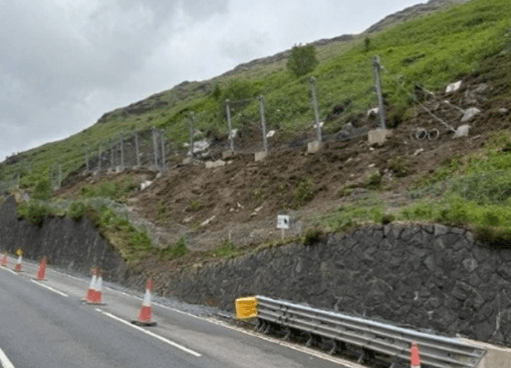
Located in the border area between Peru's Huancavelica and Ayacucho regions, deep in the Andes Mountains with an altitude range spanning from 1,500 meters to 4,960 meters, this project is a typical high-altitude mountainous and challenging road. Serving as a crucial link connecting multiple remote towns along the route, the project moved beyond a simple infrastructure construction model to create a full-cycle service system encompassing "upgrading + maintenance + traffic assurance." It not only completed core works such as subgrade replacement, chemically stabilized base course paving, micro-surfacing, and various drainage structure construction but also continuously carried out daily maintenance and traffic assurance work throughout the five-year contract period. Through systematic construction, it established a long-term and stable operational mechanism for the high-altitude road, fundamentally breaking through regional transportation development bottlenecks.
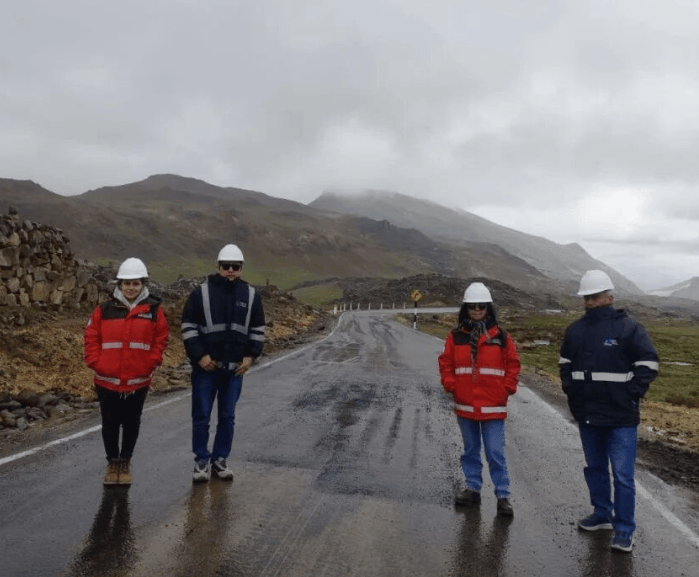
The extreme challenges posed by high altitude were the core test throughout the project's construction. The average altitude of the work area reached 3,800 meters, with the highest point close to 5,000 meters. Oxygen deficiency, severe cold, and heavy rainfall became the norm, leading to a series of problems such as machinery experiencing "altitude sickness," reduced physical capacity of construction personnel, and significantly compressed effective work windows, imposing stringent demands on project coordination, organization, and on-site execution. Faced with numerous difficulties, the project team tackled the challenges with technological innovation and scientific coordination, deploying a combination of measures: optimizing recycled construction techniques to achieve a qualitative improvement in construction efficiency; independently modifying slurry seal equipment to double paving capacity while reducing material loss; accurately assessing construction windows and rationally scheduling work sequences to ensure the efficient progress of key projects.
In project management, the team innovatively explored a highly localized operation model. During peak construction periods, the workforce reached nearly 500 people, with only 4 Chinese management personnel. Through systematic technical training and regular joint management, the Chinese and Peruvian construction teams achieved deep integration in technical standards and work processes, enabling efficient collaborative operations. Simultaneously, the project team consistently upheld the principle of local community friendliness, conducting multiple in-depth communication and coordination sessions in villages along the route. They incorporated community roads originally outside the contract scope into the project implementation, ensuring smooth project progress while practically addressing local residents' travel needs, winning widespread support and recognition from communities along the route.
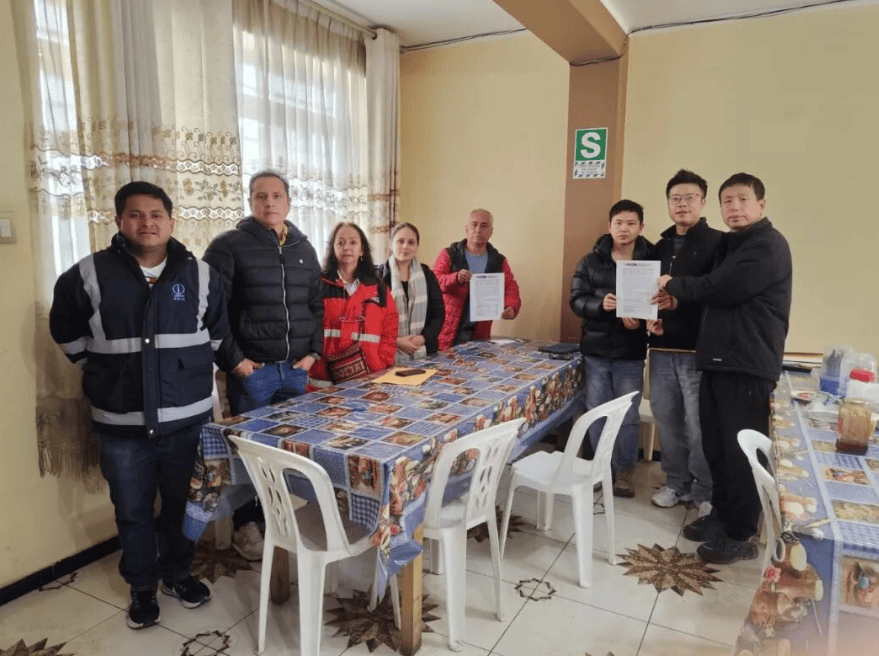
The successful completion of the project has ushered in a new change in the transportation landscape of the Andean highlands, with livelihood and economic benefits continuously being realized. Previously, constrained by terrain and road conditions, transportation in the areas along the route was isolated, logistics costs remained high, the export of specialty agricultural products was hindered, and regional development was limited. Now, the new high-altitude road has transformed the once perilous journey into a smooth passage. Commuting times between regions have been drastically reduced from the original 16 hours to just 6 hours, significantly improving transportation efficiency. Specialty agricultural products from along the route can now quickly reach the market, residents enjoy more convenient travel, and the reach of public services such as education and healthcare has been greatly expanded. Furthermore, the project's construction and operation created numerous local employment opportunities, effectively boosting residents' income and prosperity. This winding road in the Andes is evolving from a transportation link into an economic artery driving regional development and a lifeline benefiting people's livelihoods.
Five years of perseverance finally bridged the natural chasm; a continuous thoroughfare now connects the future. The high-standard handover and acceptance of the Peru Huancavelica Road Project once again powerfully demonstrates CCECC's engineering fulfillment capability and refined management level in high-altitude, complex geological environments. It is also another fruitful achievement in infrastructure construction cooperation between China and Peru, providing a vivid footnote for Chinese enterprises implementing the "Belt and Road" Initiative and contributing to the improvement of livelihoods and economic development in South America. With its full-cycle professional services, responsibility and commitment in overcoming difficulties, and deep local integration, CCECC has further solidified its brand influence in Peru's infrastructure market, laying a solid foundation for future in-depth operations in Peru and the broader South American market, and for deepening long-term cooperation between China and Peru in the infrastructure sector.
In the future, CCECC will continue to uphold the principle of extensive consultation, joint contribution, and shared benefits, deepen its presence in the South American infrastructure market, build more bridges of connectivity with high-quality projects, serve local development needs with professional expertise, continuously promote the further and more substantive development of the Belt and Road Initiative, allow China-Peru friendship to grow warmer through infrastructure connectivity, and inject more momentum into regional development.
This article is compiled by Wedoany. All AI citations must indicate the source as "Wedoany". If there is any infringement or other issues, please notify us promptly, and we will modify or delete it accordingly. Email: news@wedoany.com
Related Products

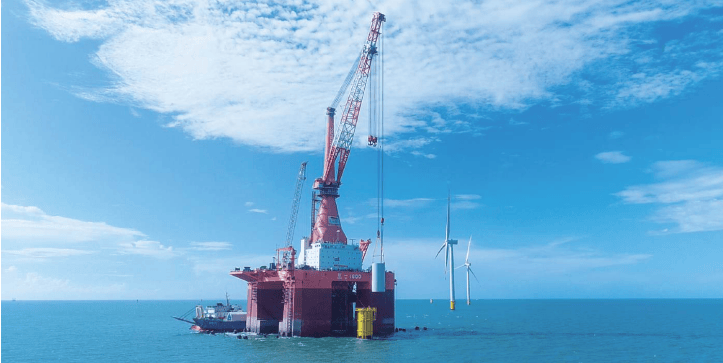
"Shunyi 1600" Deep-submerging Bottom-sitting Multi-functional Wind Power Engineering Vessel
Zhengli Offshore Engineering Co., Ltd.![IVECO Cash-in-Transit [DMT5048XYCL3-AM] - Chongqing Dima Industry Co., Ltd](https://img.wedoany.com/2026/0911/20260911030157582.png)
One-Stop Steward Service for the Entire Logistics System Integration Chain
Zhongding Intelligent (Wuxi) Technology Co., Ltd.
Wheel and Track Technology Business
Beijing Research & Design Institute of Rubber Industry Co., Ltd.
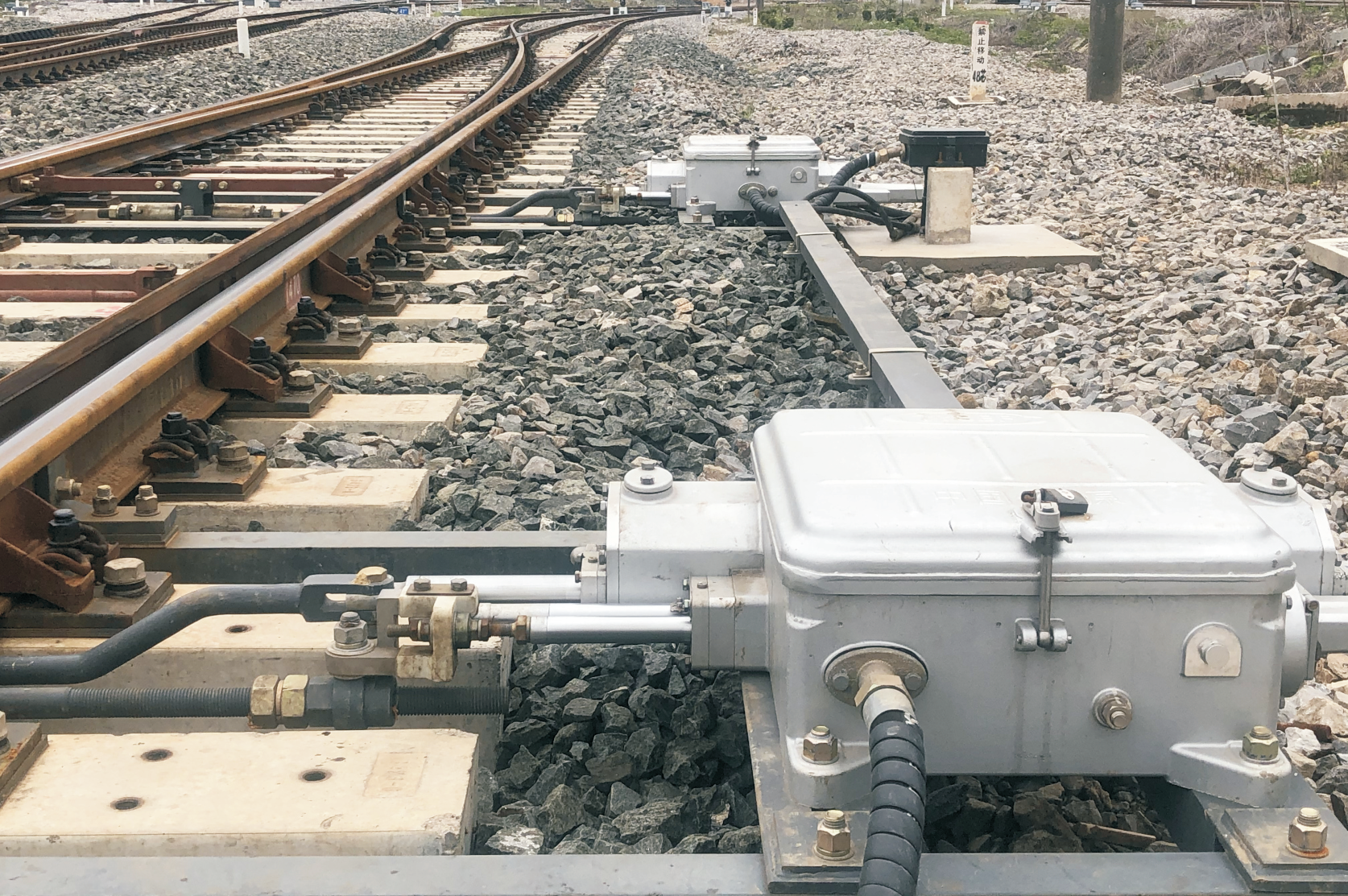
ZY(J)7(M) Sealed Type Electro-Hydraulic Turnout Machine
TAIYUAN CR JINGFENG EQUIPMENT TECHNOLOGY CO., LTD.
Industrial and Commercial Point-Type Gas Detector
Jinan Benan Technology Development Co., Ltd.