Rice University Develops Focused Microwave 3D Printing Process
en.Wedoany.com Reported - Researchers at Rice University in the United States have recently developed a focused microwave 3D printing process called Meta-NFS, which can integrate functional electronic devices into various multi-material structures, including temperature-sensitive biopolymers and living biological tissues. This technology aims to solve the long-standing challenge in traditional electronic printing where heat treatment can damage surrounding materials.
The focused microwave 3D printing process utilizes a metamaterial-inspired near-field electromagnetic structure to precisely confine microwave energy within a heating zone with a diameter comparable to a human hair. This design allows the printing ink to undergo in-situ post-processing while keeping the surrounding materials at relatively low temperatures. Yong Lin Kong, assistant professor at Rice University's School of Engineering and Computing, stated: "The ability to selectively heat the printed material enables us to spatially program the functional properties of the ink, even when surrounded by temperature-sensitive materials. This allows us to integrate free-form electronics onto a wide range of substrates, including biopolymers and living biological tissues."
This focused microwave 3D printing process is suitable for metals, ceramics, and thermosetting polymers. By adjusting microwave parameters, the particle microstructure can be controlled, generating multifunctional circuits with significantly different mechanical and electronic properties in a single print. As a proof of concept, the research team has printed wireless strain sensors onto the surface of ultra-high molecular weight polyethylene biopolymers used for joint replacement, as well as onto bovine femur bones and living leaves.

The research team is currently expanding this focused microwave 3D printing technology towards ingestible electronic diagnostic systems, biomimetic devices interfacing with biological organs, and soft robots with integrated electronics. Kong added that this method provides a new pathway for developing novel hybrid electronic devices that were previously difficult to construct.
This article is compiled by Wedoany. All AI citations must indicate the source as "Wedoany". If there is any infringement or other issues, please notify us promptly, and we will modify or delete it accordingly. Email: news@wedoany.com
Related Products


CAP1400 main feedwater flow nozzle flowmeter.
Jiangsu Hongda Instrument Technology Co., LTD.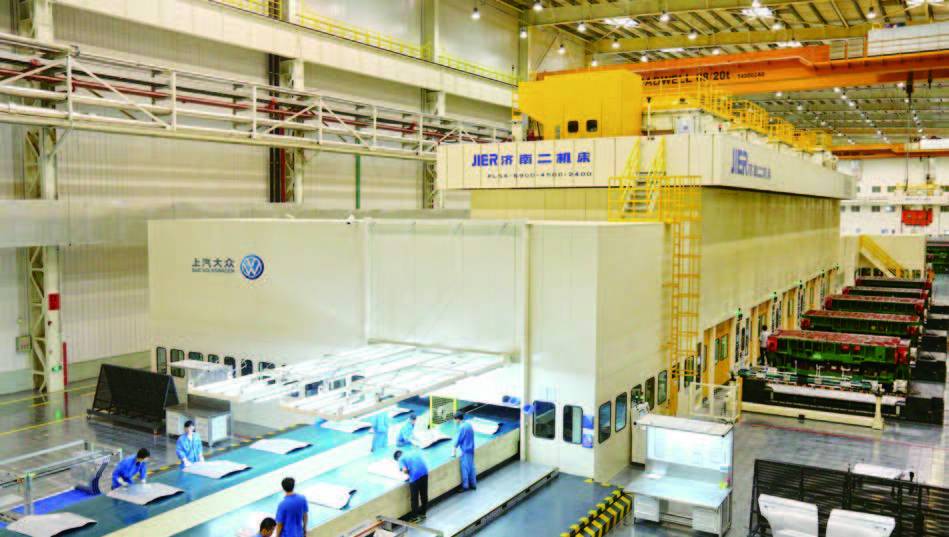
High-Speed Flexible Fully Automatic Stamping Production Line
JIER Machine-Tool Group Co., Ltd.
High-Speed Railway Lifting, Transporting, and Erecting Equipment: Integrated Transport and Erection Machine
Hanjiang Heavy Industry Co., Ltd. of China Railway 11th Bureau Group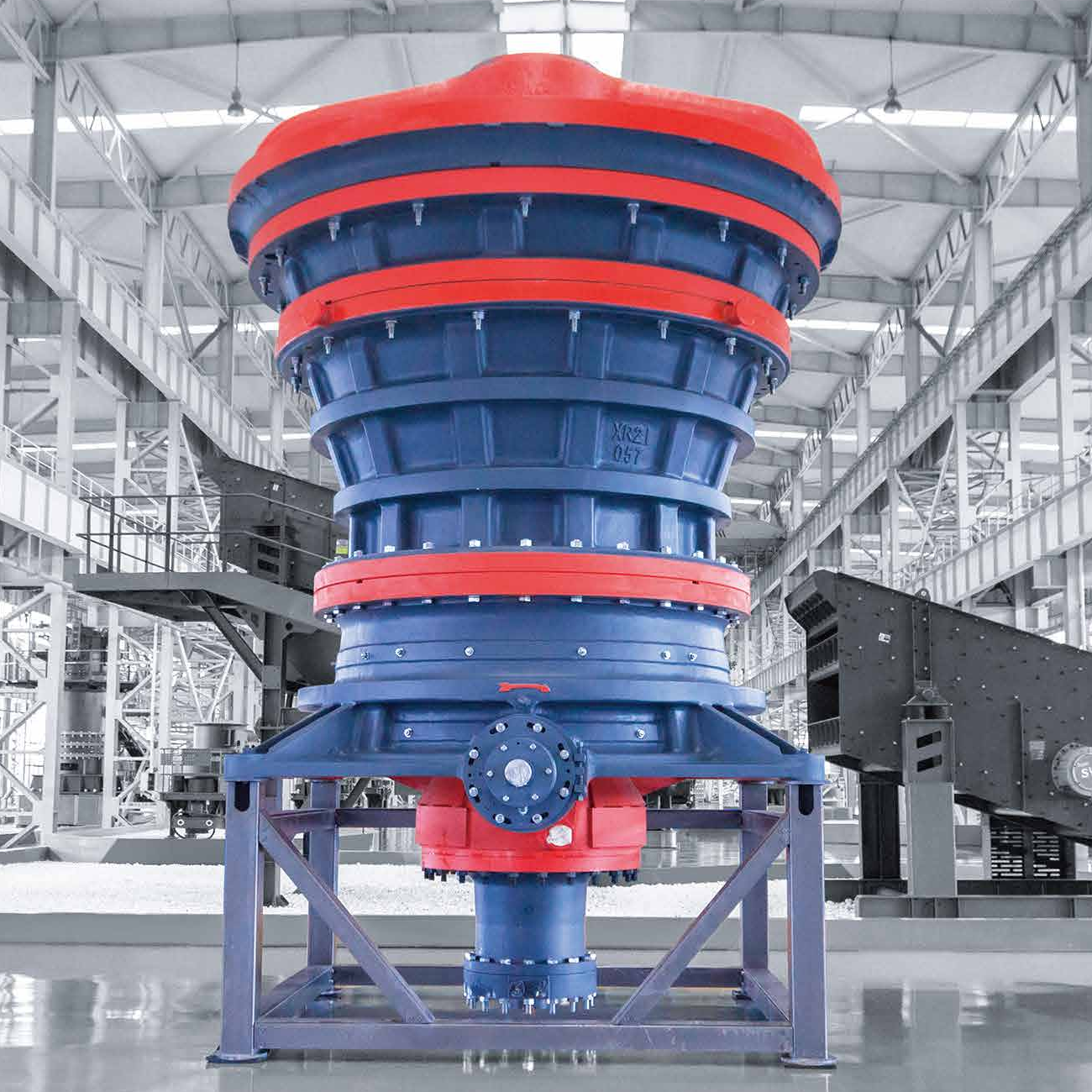


LBH4000 Batch Environmental Protection Asphalt Mixing Plant | Asphalt Batching Plant | Asphalt Mixing Plant
Jilin Province Road Construction Machinery Co., Ltd.
Strip Coating and Plating Production Line Equipment
MCC-SFRE HEAVY INDUSTRY EQUIPMENT CO., LTD.