UK Blackhillock Battery Energy Storage Project Commissioned, SMA Grid-Forming Inverters Provide Grid Stability Services
en.Wedoany.com Reported - The first phase of the Blackhillock Battery Energy Storage System (BESS) in northeastern Scotland, UK, was commissioned in early 2025, becoming the world's first battery storage project connected to the transmission system and providing full active/reactive power services. Developed by Zenobe, with energy storage equipment supplied by Wärtsilä Energy Storage, the project utilizes grid-forming inverters provided by German inverter manufacturer SMA (SMA Solar Technology AG) to provide synthetic inertia and stability support services for the local grid with high wind power penetration.
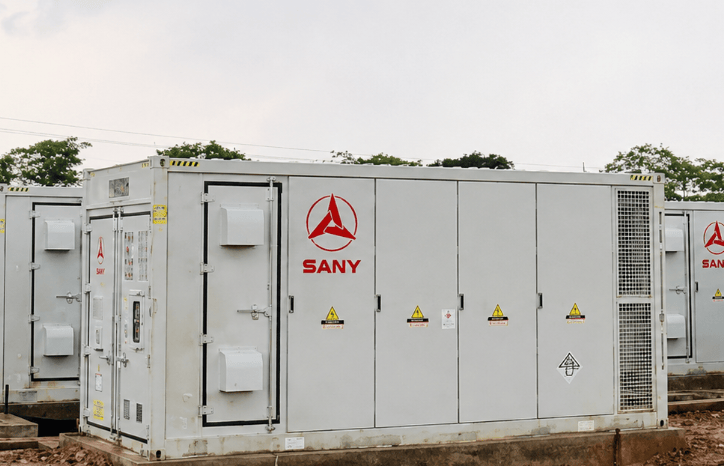
Power systems require inertia to maintain frequency stability, but the rotating mass of traditional synchronous generators (coal, gas, nuclear, hydro) is being replaced by renewable energy sources. A 2012 UK study indicated that when the proportion of non-synchronous generation exceeds approximately 65%, the transmission system struggles to withstand certain potential faults. Grid-forming inverters use internal control algorithms to self-establish voltage, mimicking the behavior of rotating generators, providing virtual inertia and short-circuit capacity without the need for rotating mass. Blackhillock is configured with 62 SMA medium-voltage power stations, each equipped with grid-forming inverters, capable of providing 370 megawatt-seconds (MWs) of synthetic inertia and a 116 megavolt-ampere (MVA) short-circuit level contribution, stabilizing voltage dips and phase jumps.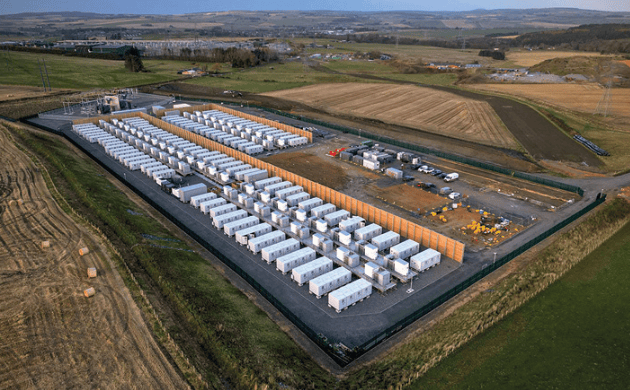
Aaron Gerdemann, SMA's Global Vice President of New Business & Marketing, told PV Magazine that the hardware manufacturing cost difference between grid-forming and grid-following inverters is not significant, but the complexity of the control and design process is several times higher. Grid-forming projects require extensive modeling, simulation, and close collaboration with system operators, with commissioning parameters far exceeding those of grid-following types. SMA also sells engineering services, and Gerdemann emphasized that the standard for grid-forming technology being "good or bad can only be verified when connected to the grid and operating online."
In Australia, the Australian Renewable Energy Agency (ARENA) has been continuously funding grid-forming projects since 2017. The 30MW/8MWh Dalrymple battery project, commissioned in 2018, utilized a "virtual synchronous generator" solution provided by ABB, enabling islanded operation for the peninsula. From 2019 to 2021, ARENA further funded four projects to test synthetic inertia and system strength services, including retrofitting the Tesla Hornsdale battery storage system to equip it with a virtual inertia mode. Carl Christiansen, ARENA's General Manager of Grid & Storage, stated that many companies claim to have grid-forming products but have not actually met grid connection standards, and ARENA is pushing these products from theory to approval. ARENA has now launched a A$100 million (approximately US$70 million) project to support large-scale advanced inverter demonstrations, including the 540MW/1080MWh Western Downs project which is already operational, with three more projects expected online by 2026, bringing ARENA's total operational portfolio of funded grid-forming battery projects to 2GW.
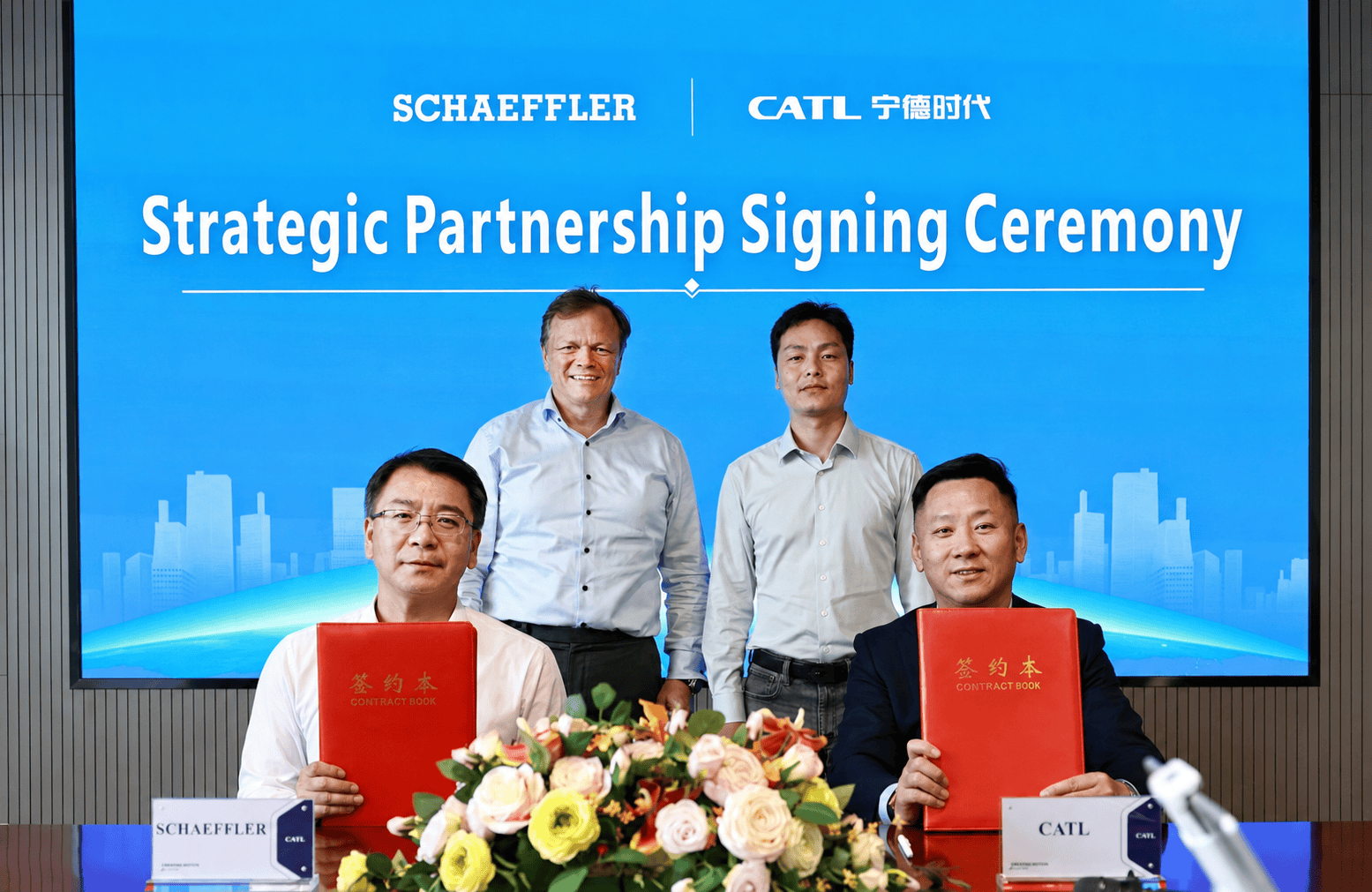
In the global market, Tiffany Wang, Research Analyst at S&P Global Energy, pointed out that Australia is the most mature market for front-of-meter grid-forming BESS, with penetration expected to approach 100% by 2030; Saudi Arabia and Chile are also expected to rapidly achieve high penetration rates. Chinese manufacturer Sungrow, supplying a three-site 7.8GWh project in Saudi Arabia, has validated its grid-forming Power Titan 3.0 platform and held its European launch in Madrid, Spain, in January 2026. James Li, Vice President of Sungrow Europe, stated the company also conducted field tests at transmission sites in Tibet, using internal laboratories and hardware-in-the-loop testing to ensure control algorithms meet project requirements. Huawei launched its grid-forming FusionSolar 9.0 platform at SNEC 2025, HiTHIUM Energy Storage and Schoenergie deployed a 55MWh grid-forming BESS in Germany, and CATL incorporated high-voltage grid-forming energy storage into the planning for an off-grid zero-carbon industrial park in Shandong.
The core capabilities of grid-forming inverters include: short-circuit capacity (boosting fault current to quickly suppress disturbances), synthetic inertia (monitoring frequency and adjusting output deviation), black start (restoring power supply as a voltage source), and island mode (independent off-grid operation). SMA is in discussions with multiple Transmission System Operators (TSOs), hoping to establish more reasonable grid codes that do not mandate grid-forming technology for all BESS, but instead deploy high-standard grid-forming assets at key anchor points, coupled with stability market incentives. Currently, only a few grid codes globally explicitly cover grid-forming technology, and rules vary between countries.
This article is compiled by Wedoany. All AI citations must indicate the source as "Wedoany". If there is any infringement or other issues, please notify us promptly, and we will modify or delete it accordingly. Email: news@wedoany.com
Related Products
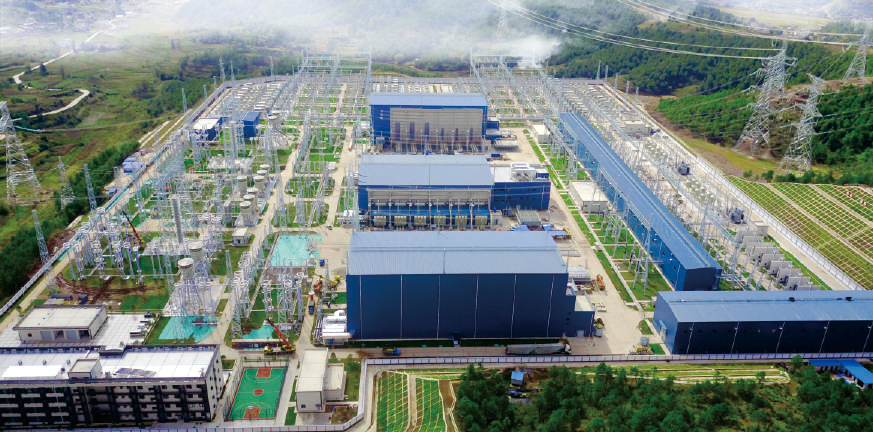

High-voltage Direct Current (HVDC) Transmission System Research and Integrated Design
XI'AN XD POWER SYSTEMS CO., LTD.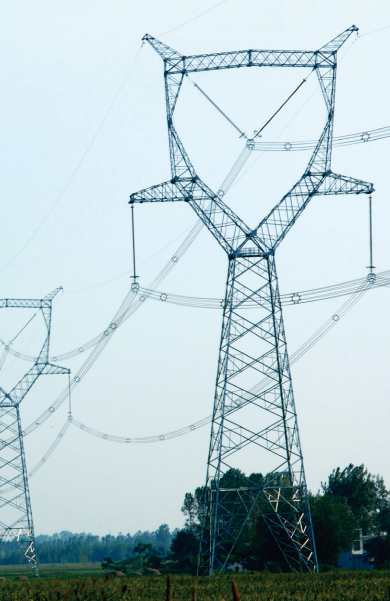
1000kV Jin Southeast-Nanyang-Jingmen UHV AC Transmission and Transformation Pilot Demonstration Project
Anhui Hongyuan Steel Tower Co., Ltd.
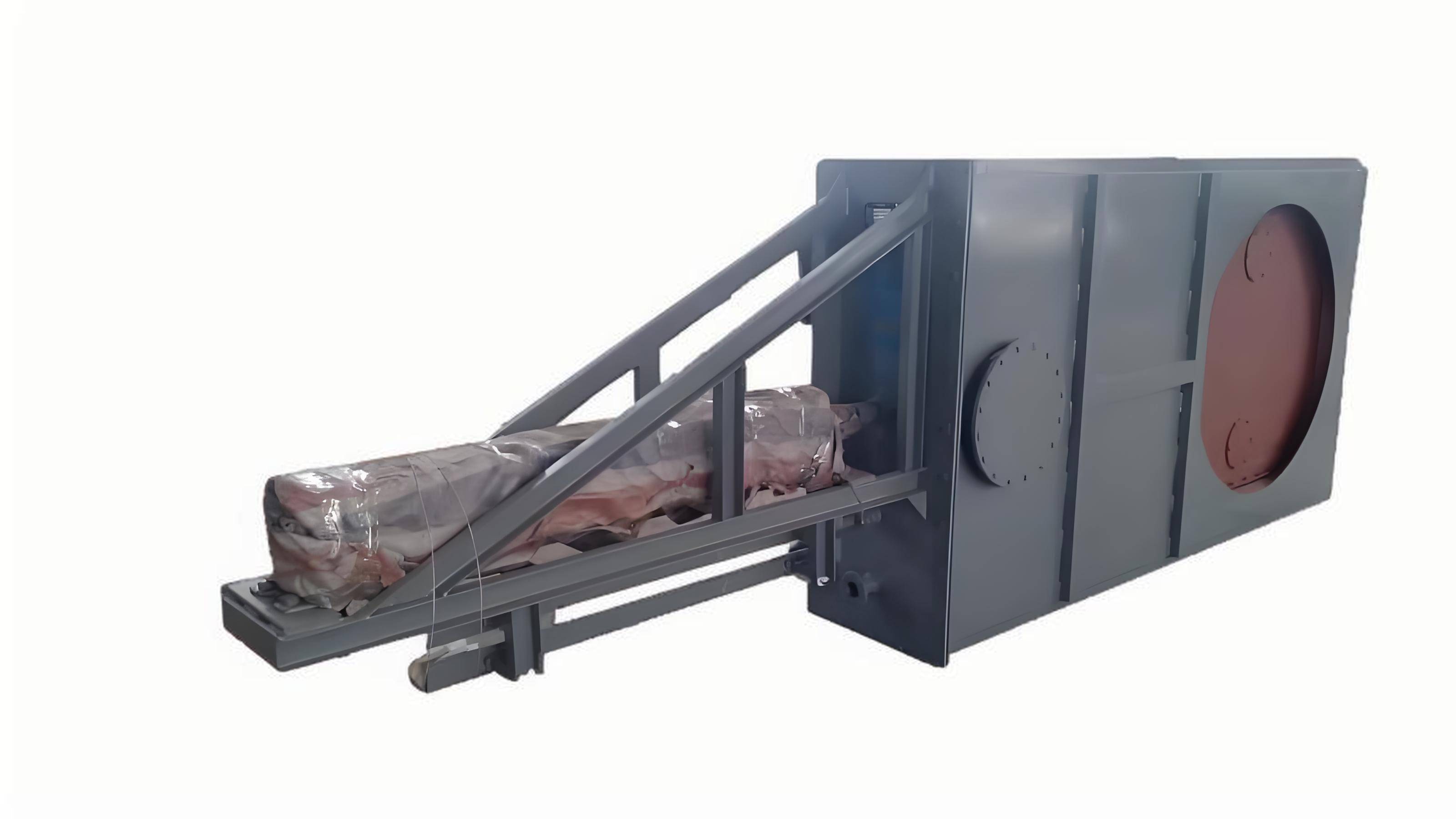
Double-slide Triple-sealed Hot Air Isolation Door
Xi'an Yingchuan Electric Power Equipment Co., Ltd.

Industrial and Commercial Point-Type Gas Detector
Jinan Benan Technology Development Co., Ltd.