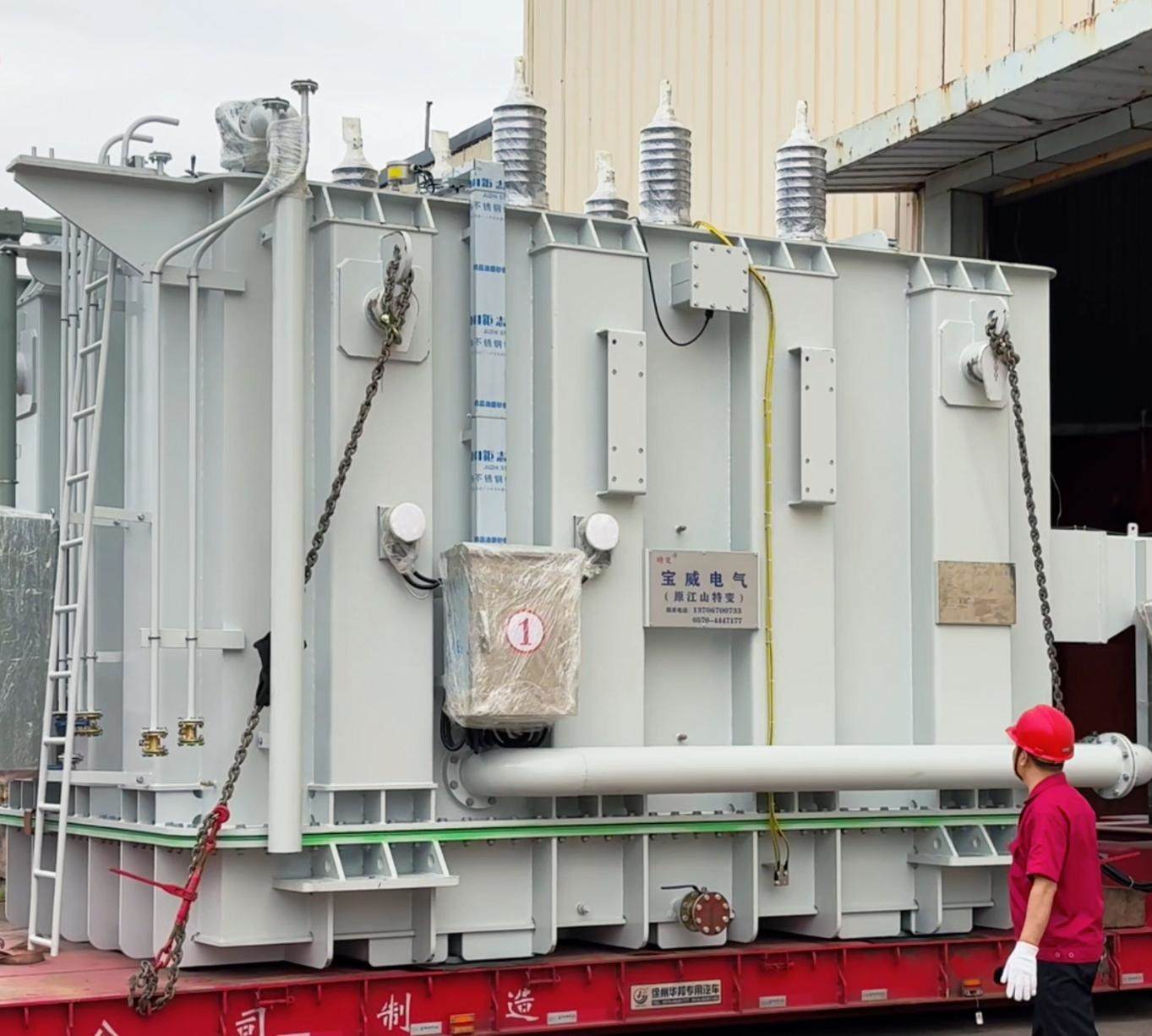
After the May Day Holiday, China's Steel Market Enters Peak Demand Season; Steel Prices Fluctuate With a Slightly Stronger Bias
en.Wedoany.com Reported - After the "May Day" holiday, China's steel market has entered its traditional peak demand season. However, the deep adjustment in the real estate sector is dragging down demand for construction steel. Direct steel exports are expected to improve month-on-month, while downstream sectors like automobiles and home appliances are operating steadily overall. Steel prices are supported by costs from below and suppressed by demand from above, and are expected to fluctuate with a slightly stronger bias, though the upside potential is limited. The following analysis unfolds from five aspects.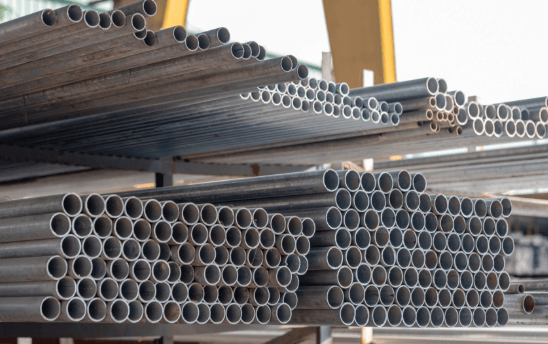
The real estate market continues its deep adjustment. Data from China's National Bureau of Statistics shows that from January to March, national real estate development investment was 1,772 billion yuan, down 11.2% year-on-year; the floor area of new housing starts was 103.73 million square meters, down 20.3% year-on-year; and the floor area of newly built commercial housing sold was 195.25 million square meters, down 10.4% year-on-year. March transaction volumes rebounded month-on-month but were lower than the same period last year. New starts and construction contracted significantly, providing insufficient support for construction steel demand. Analysts hold a neutral to bearish view on the impact of real estate on construction steel.
Direct steel exports fell, while indirect exports rose. General Administration of Customs data shows that steel exports in March were 9.135 million tons, up 16.6% month-on-month; cumulative exports from January to March were 24.717 million tons, down 9.9% year-on-year. Direct exports had a weak start due to the impact of export licenses and RMB appreciation, but the widening price gap between domestic and international markets suggests the export situation is likely to improve. Indirect exports performed strongly, with China's total goods export value in the first quarter reaching 6.85 trillion yuan, up 11.9% year-on-year, with growth seen in exports to ASEAN, the EU, and the UK. Direct exports are expected to rebound month-on-month in the second quarter, though year-on-year figures may decline due to trade friction impacts, while indirect exports are expected to remain relatively strong.
Crude steel production continued to decline, with rebar and hot-rolled coil output falling. National Bureau of Statistics data shows that crude steel production in March was 87.044 million tons, down 6.3% year-on-year; cumulative output in the first quarter was 247.55 million tons, down 4.6% year-on-year. Reasons for the decline include policy-driven reductions, heavy pollution weather alerts and the Spring Festival affecting blast furnace operating rates, and steel mills' strong willingness to conduct maintenance due to poor profitability. By product type, rebar production in March was 15.415 million tons, down 17.4% year-on-year; medium-thick wide steel strip production was 18.851 million tons, down 6.9% year-on-year. Rebar output was significantly dragged down by the real estate sector, while the decline in hot-rolled coil was more moderate. Analysis suggests that crude steel production will continue to decline this year, with a product mix shift from construction steel to high-end steel.
The automobile market is warming up, but growth is slower than last year. Data from the China Association of Automobile Manufacturers shows that automobile production and sales in March reached 2.917 million and 2.899 million units respectively, a significant month-on-month increase but still a year-on-year decline. First-quarter automobile production and sales were 7.039 million and 7.048 million units, down 6.9% and 5.6% year-on-year respectively. Automobile Industry" target="_blank">New Energy Vehicle production in the first quarter was 2.965 million units, down 6.8% year-on-year; sales were 2.96 million units, down 3.7% year-on-year. The cooling auto market stems from the phasing out of purchase tax policies, reduced subsidies for trade-ins, and pre-released demand. The export market is strong, with automobile exports in the first quarter reaching 2.226 million units, up 56.7% year-on-year. Production and sales are expected to rise month-on-month in May and June, but face year-on-year pressure.
The home appliance sector is weak domestically but strong internationally, remaining stable overall. National Bureau of Statistics data shows that in March, air conditioner production was 34.553 million units, up 6.1% year-on-year; refrigerator production was 10.939 million units, up 13.8% year-on-year; washing machine production was 11.558 million units, up 4.5% year-on-year; and color TV production was 15.834 million units, down 7.8% year-on-year. Cumulative first-quarter output increased for all categories except color TVs. On the export front, March air conditioner exports were 7.37 million units, down 9.5% year-on-year; refrigerator exports were 6.95 million units, down 4.9% year-on-year; washing machine exports were 2.87 million units, up 1.6% year-on-year; and LCD TV exports were 7.91 million units, down 5.7% year-on-year. Cumulative first-quarter exports increased for refrigerators, washing machines, and LCD TVs. Refrigerators and washing machines performed best, the air conditioner sales side faces high inventory pressure, and domestic TV sales are relatively weak. Analysis suggests that home appliance production and sales will be stable in the second quarter with no significant incremental growth.
In summary, the outlook for the steel market in the second quarter is neutral to slightly bullish. Steel prices are supported by raw fuel costs from below and suppressed by insufficient demand from above. The second quarter is a traditional seasonal peak period; if terminal markets like automobiles show slight improvement, it is expected to drive steel prices higher amidst fluctuations, but the upside potential is limited. (Zhao Yi)
This article is compiled by Wedoany. All AI citations must indicate the source as "Wedoany". If there is any infringement or other issues, please notify us promptly, and we will modify or delete it accordingly. Email: news@wedoany.com
Related Products
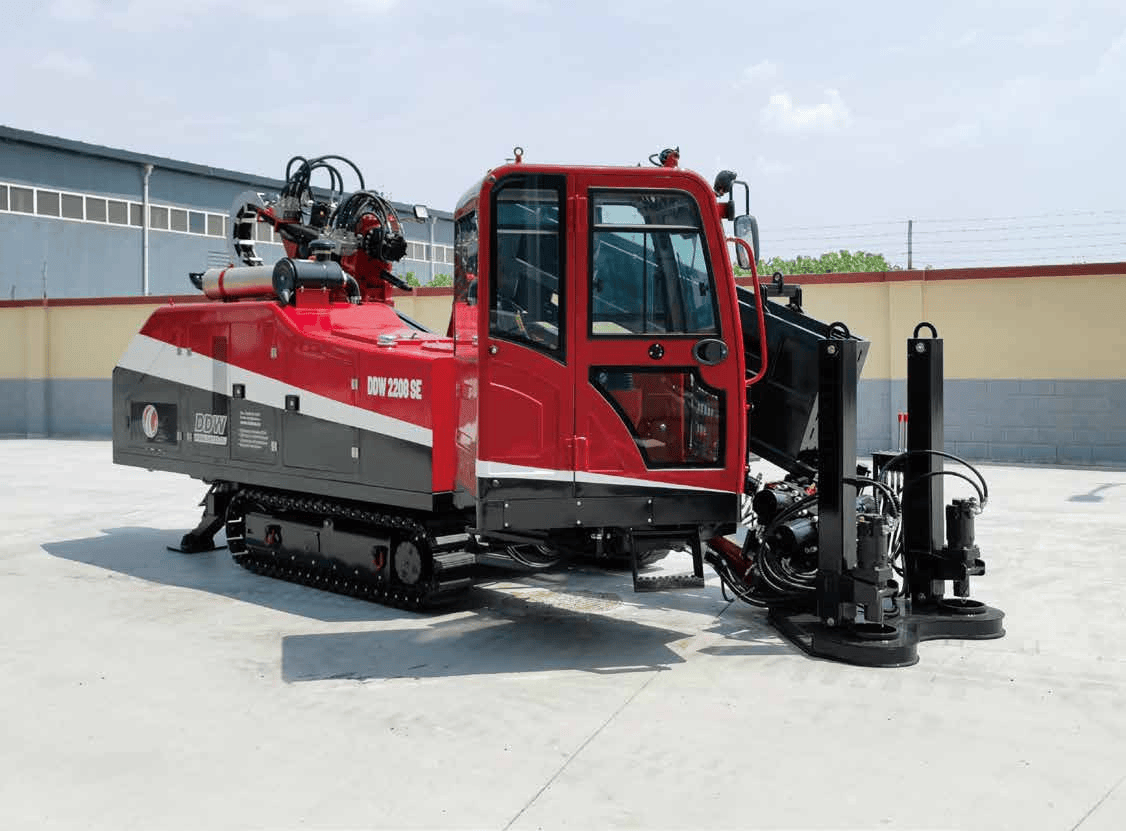

DDW22/08SE-HORIZONTAL DIRECTIONAL DRILL
DW/TXS Construction Equipment (Beijing) Co., Ltd.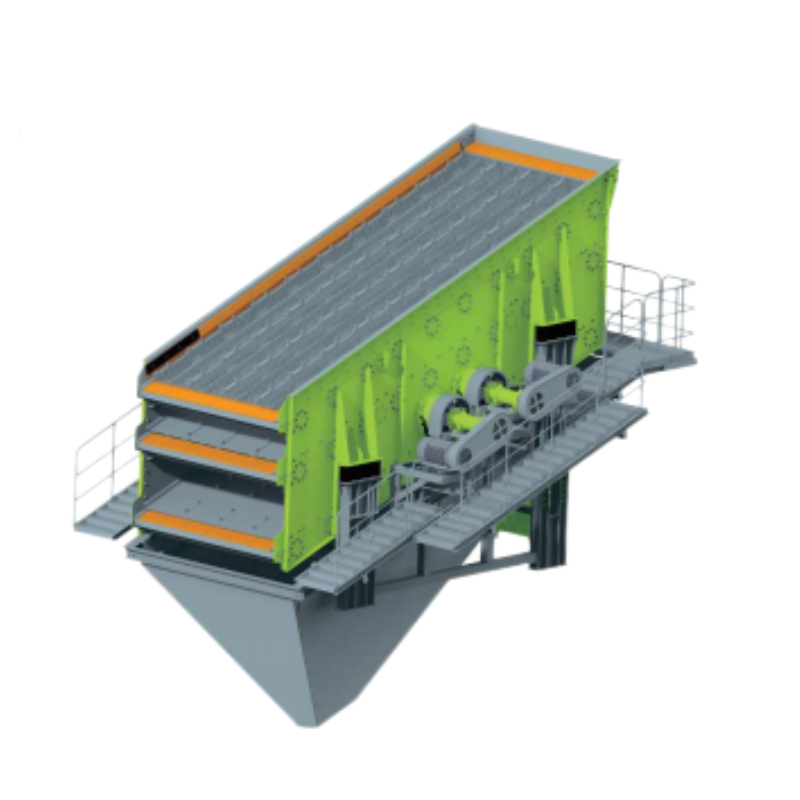


High-temperature Equal Wall Thickness High-power Screw Drilling Tool
Orient Energy & Technologies Co., Ltd.
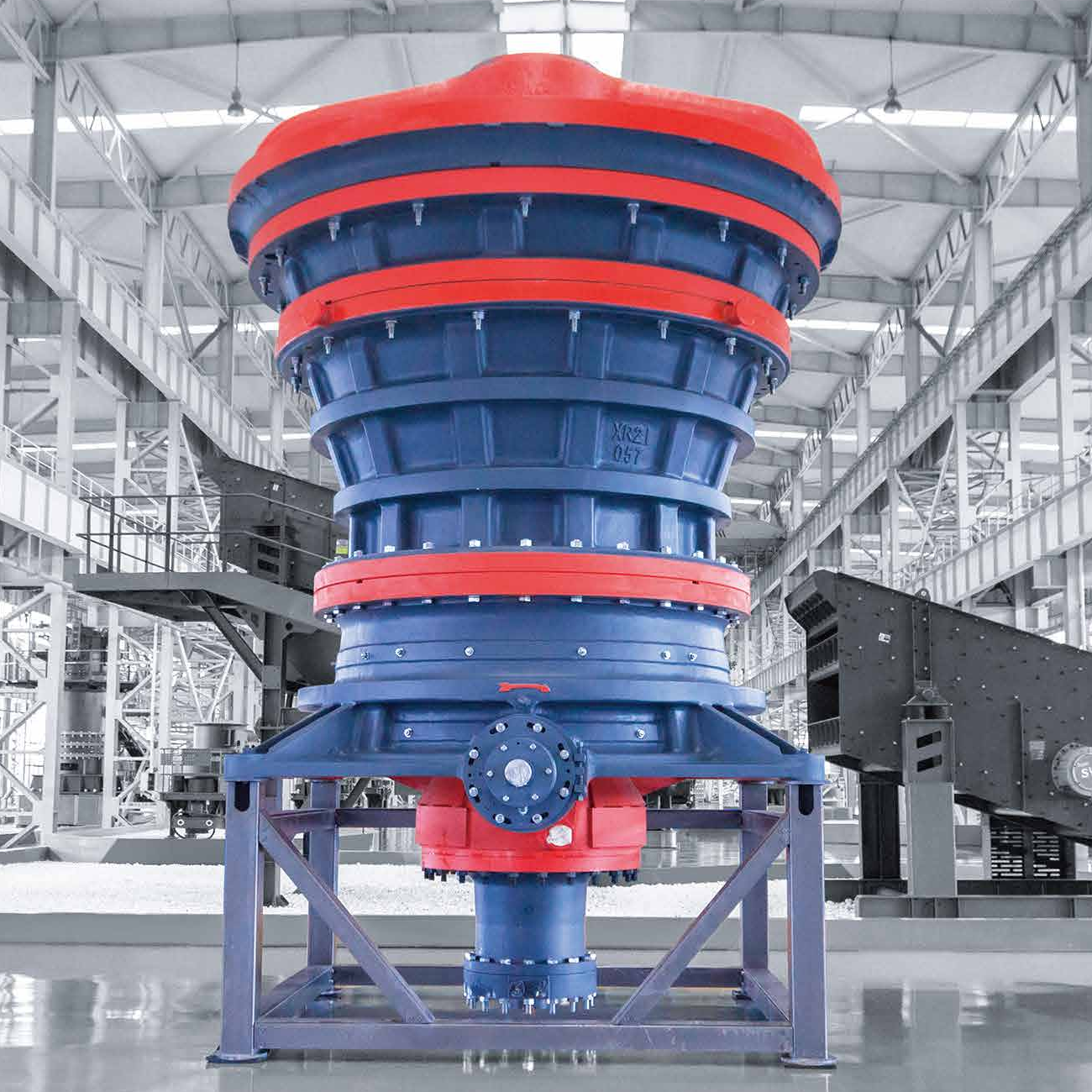
Core Technologies of the Mining Technology and Equipment Business Unit: Efficient Mining Methods and Processes
CHANGSHA INSTITUTE OF MINING RESEARCH CO., LTD.