NVIDIA's Jensen Huang Visits China with Trump, Says AI Has Brought New Opportunities to China
en.Wedoany.com Reported - U.S. President Trump conducted a state visit to China from May 13 to 15, accompanied by a delegation including Apple CEO Tim Cook, NVIDIA founder and CEO Jensen Huang, Tesla CEO Elon Musk, and more than a dozen other senior executives from American companies. During the visit, Huang explicitly stated in a media interview that artificial intelligence has brought new opportunities to China.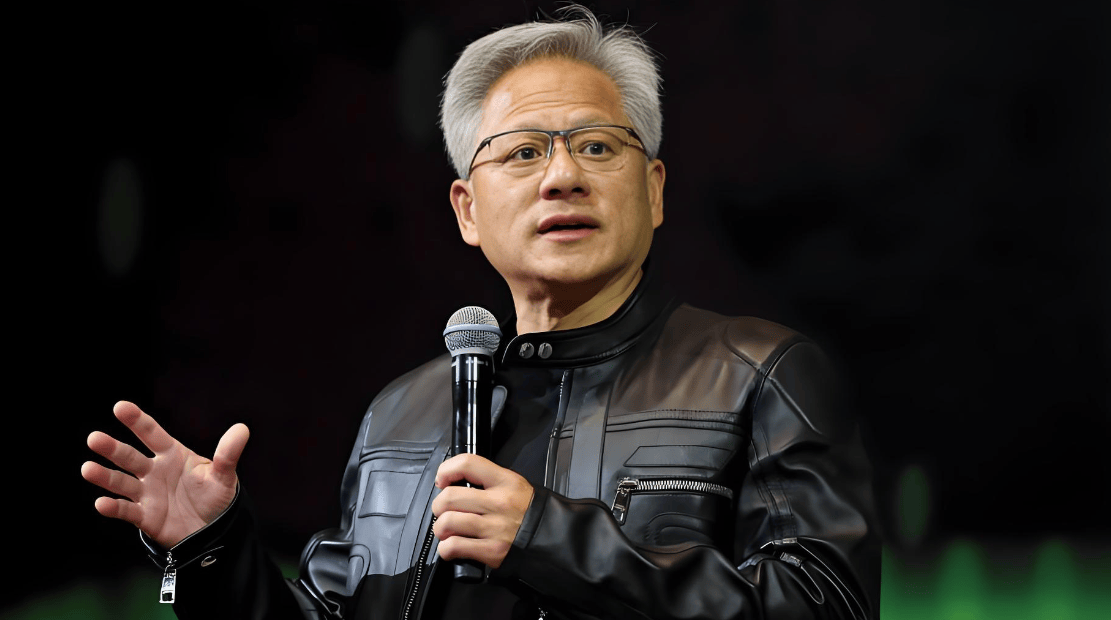
Huang's remarks were made against the backdrop of a recent easing of AI chip export controls between China and the United States. In December 2025, the U.S. government adjusted its policy, allowing NVIDIA to sell H200 AI chips to China under the condition of an additional 25% tariff, with sales limited to approximately 10 Chinese companies approved by the U.S. Department of Commerce, including Alibaba, Tencent, ByteDance, and JD.com. On May 14, 2026, Lenovo Group was approved as one of the authorized distributors of NVIDIA H200 chips in the Chinese market, with each approved enterprise permitted to purchase up to 75,000 units of this chip model. This series of approvals marks the reopening of supply channels for high-end AI hardware to China, providing direct context for the "new opportunities" Huang referenced.
NVIDIA had long dominated China's high-end AI chip market, with its share once reaching approximately 95%. However, after export controls tightened, Huang publicly confirmed on April 30, 2026, that the company's direct sales share in the Chinese market had completely dropped to zero. Despite short-term revenue losses, the long-term scale of China's AI computing power market, estimated by Huang himself at $50 billion, ensures it remains an indispensable part of NVIDIA's global growth strategy. Accompanying the president on this visit to China and sending positive signals demonstrates NVIDIA's clear intention to re-establish its presence in the Chinese market.
Trump's visit to China is seen as a significant move marking a period of adjustment in Sino-U.S. economic and trade relations. Beyond the chip sector, trade and investment facilitation measures in energy, agriculture, and healthcare were also on the discussion agenda. The presence of corporate leaders like Cook and Musk reflects the high level of attention the U.S. technology and industrial sectors are paying to the Chinese market. Analysts point out that the cross-border flow of AI technology is becoming a new fulcrum for economic cooperation between major powers, and Huang's public statement directly links computing power infrastructure with China's narrative of industrial intelligence, serving as a bellwether indicator.
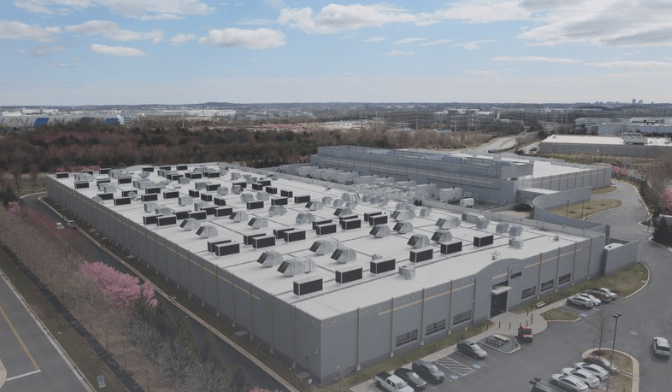
China's computing power foundation in the field of artificial intelligence continues to expand. Data from the Ministry of Industry and Information Technology shows that by the end of 2025, China's total computing power had reached 280 EFLOPS, with over 10 million standard racks in use in data centers. New infrastructure models such as underwater data centers and direct green power connection computing factories have successively become operational, providing physical space for the deployment of advanced AI chips. If batch deliveries of NVIDIA H200 chips are realized, they will primarily flow into cloud computing, large model training, and inference scenarios, further enhancing the hardware carrying capacity of enterprise-level AI applications in China.
This article is compiled by Wedoany. All AI citations must indicate the source as "Wedoany". If there is any infringement or other issues, please notify us promptly, and we will modify or delete it accordingly. Email: news@wedoany.com
Related Products

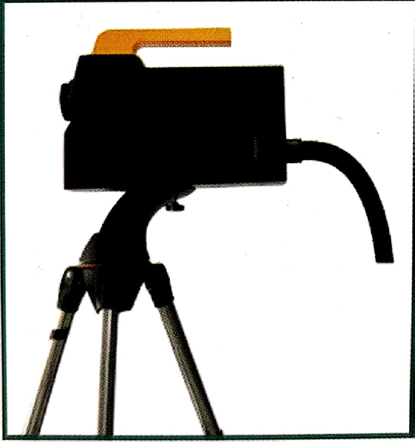
Automatic Aiming Laser Remote Obstacle Removal Robot
Pinggao Group Weihai High-Voltage Apparatus Co., Ltd.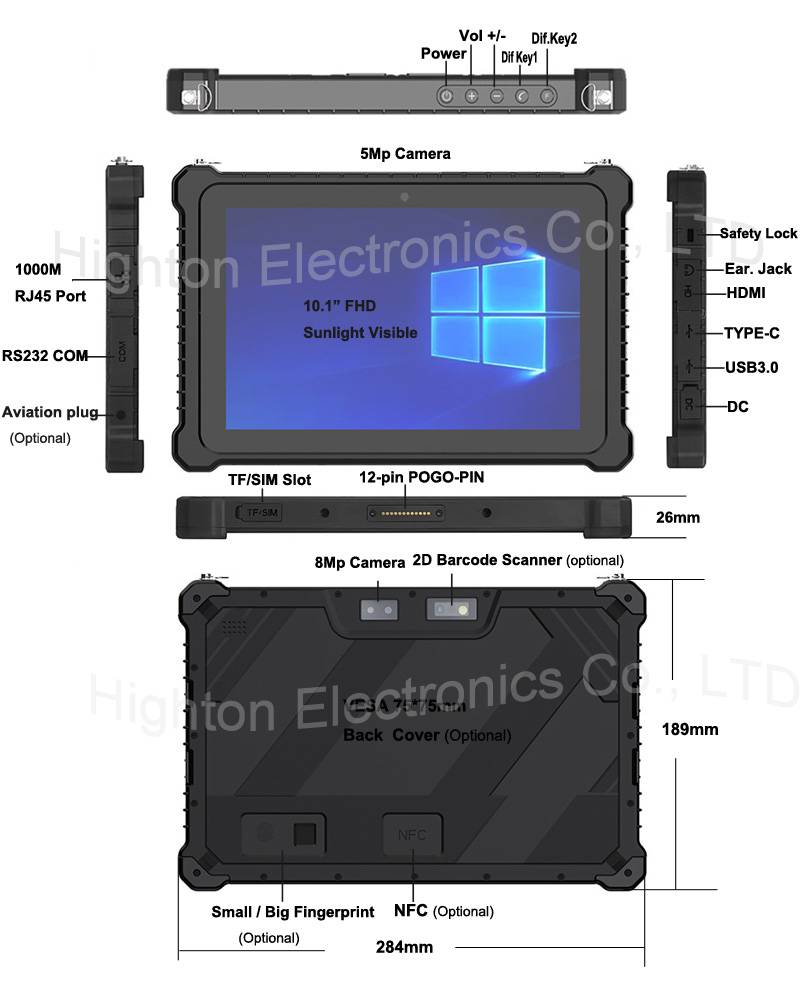
Hot Selling 10 Inch Intel N5100 I5 I7 FHD 8 +128GB 16+256GB Win10 Pro Win11 Pro 4G 5G Rugged Tablet PC Pad with NFC Barcode
Highton Electronics Co., Ltd.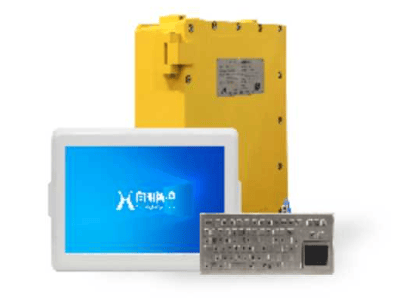
KJD127(A) Mining Explosion-Proof and Intrinsically Safe Computer
Taiyuan Xiangming Intelligent Control Technology Co., Ltd.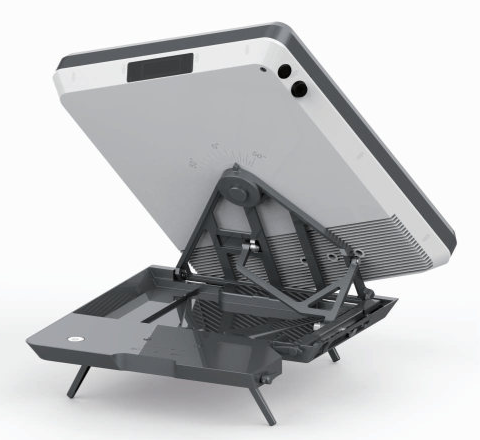
Flat Portable Satellite Terminal 0.35m Aperture Manual Portable Terminal
China Starwin Science & Technology Co., Ltd.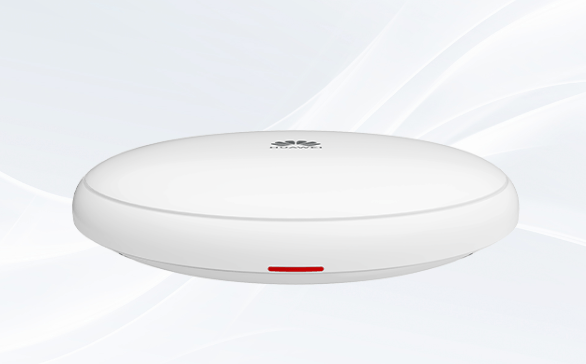


Comprehensive Mining Automation Control System
Beijing Tianma Intelligent Control Technology Co., Ltd.