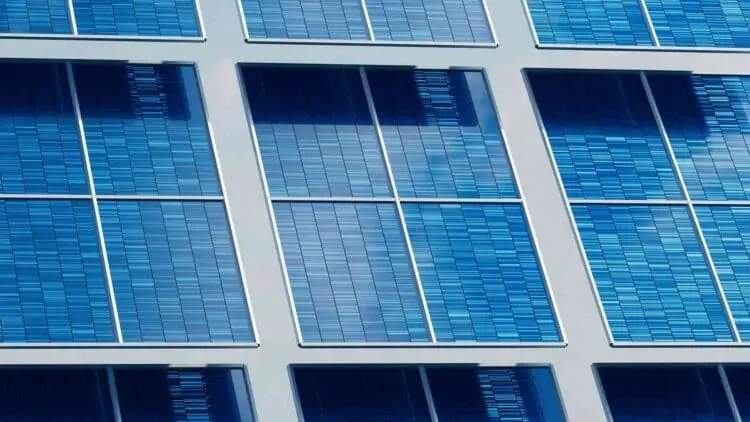
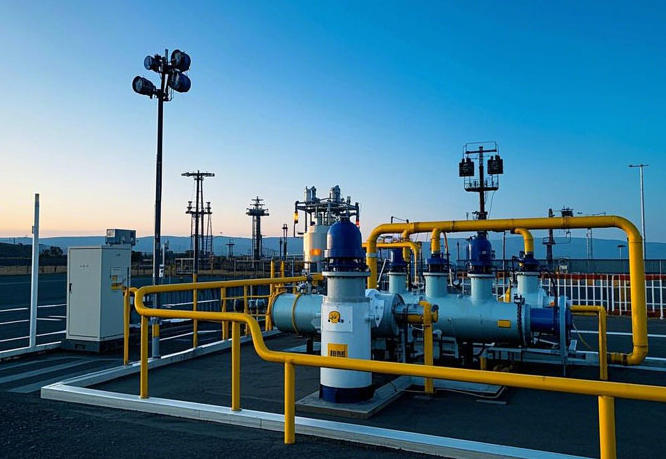
en.Wedoany.com Reported - Construction has officially begun on the first integrated green hydrogen and ammonia production facility in New South Wales, Australia. The project, named "Good Earth Green Hydrogen and Ammonia" (GEGHA), is located near Moree in the north of the state. Powered by a 35 MW solar photovoltaic power station, it is expected to commence production in early 2027.
With a total investment of AUD 71.6 million (approximately USD 50 million), the facility will be capable of producing up to 4,500 tonnes of low-carbon ammonia and over 200 tonnes of green hydrogen annually. The primary off-taker will be the Keytah Farm, owned by the Sundown Pastoral Company—a 65,000-acre property in the Gwydir region engaged in cotton and crop cultivation. The production facility will be powered by an expanded solar installation at the Wathagar cotton gin site, located approximately 33 kilometres southwest of Moree.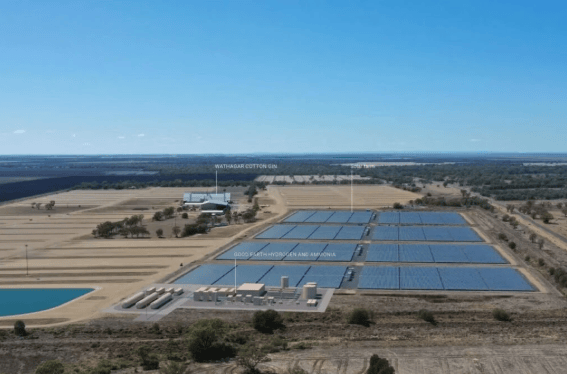
The GEGHA project is a joint venture between New Zealand's Hiringa Energy and the Sundown Pastoral Company, with the New South Wales Government committing AUD 45.2 million through the "Hydrogen Hub Initiative" and the "Net Zero Manufacturing Initiative." The project received state-level development approval in March 2026 and reached financial close in July 2025.
The project aims to address supply chain vulnerabilities exposed by recent volatility in fuel and fertilizer prices. By producing ammonia locally using renewable energy, the facility will replace imported fossil-fuel-based fertilizers and reduce the region's reliance on diesel for irrigation pumping and heavy vehicle refuelling. The project also includes storage capacity for up to 600 tonnes of ammonia to buffer against seasonal fertilizer demand and the intermittency of renewable energy.
David Statham, owner of Sundown Pastoral Company, stated that recent pressures on fuel and fertilizer supply have demonstrated the vulnerability of regional industries to international markets, highlighting the need for greater local energy resilience. New South Wales Minister for Climate Change and Energy, Penny Sharpe, noted that such projects can help improve the reliability of agricultural supply chains by reducing dependence on imported fertilizers.
The GEGHA project adopts a decentralized production model, distinguishing itself from the trend of several large-scale project withdrawals in Australia's hydrogen sector—such as Origin Energy exiting the hydrogen race in October 2024, and bp withdrawing from a 26 GW wind, solar, and green hydrogen project in Western Australia in 2025. The Moree facility produces ammonia locally for direct use by surrounding agriculture, reducing both emissions and logistics costs. Designed as a scalable and replicable model, the project plans to expand across various regions of New South Wales to enhance energy security for sovereign supply chains in domestic manufacturing and key industries.
This article is compiled by Wedoany. All AI citations must indicate the source as "Wedoany". If there is any infringement or other issues, please notify us promptly, and we will modify or delete it accordingly. Email: news@wedoany.com