The most important application for ternary lithium batteries remains long-range electric vehicles. The reason is straightforward: when a vehicle requires longer driving range, lower weight and higher power output, battery energy density becomes not only a technical indicator but also a core part of product competitiveness.
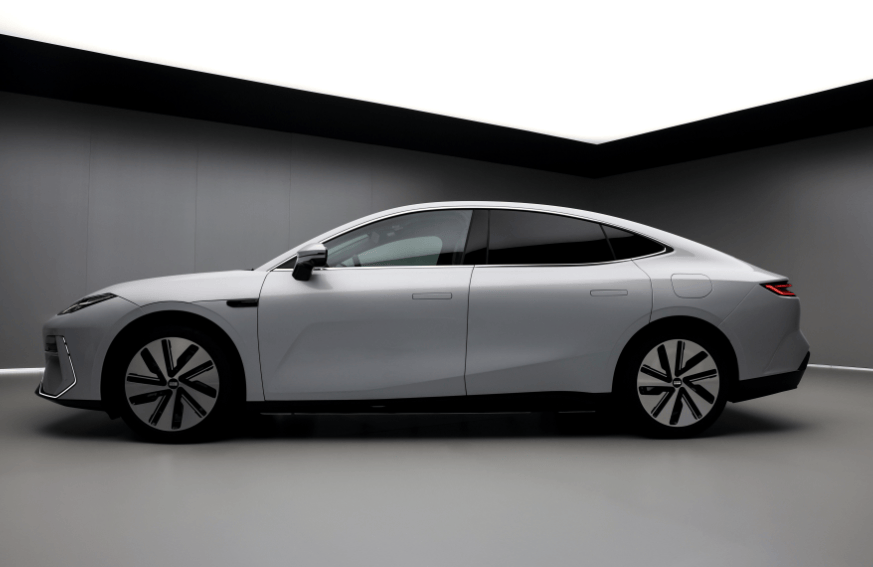
IEA data show that battery demand in the energy sector reached the milestone of 1 TWh in 2024, with EV battery demand exceeding 950 GWh, up 25% from 2023. Under the Stated Policies Scenario, EV battery demand is expected to exceed 3 TWh by 2030. This shows that electric vehicles remain the central driver of battery demand, and long-range models will continue to influence battery chemistry choices.
The advantage of ternary lithium batteries is not the lowest cost, but higher energy per unit weight and volume. For premium passenger cars, cross-regional operating vehicles, some heavy-duty electric trucks and models sensitive to payload, battery pack weight directly affects range, energy consumption, cargo capacity and vehicle performance. IRENA also notes that different vehicle types select battery chemistries according to energy density, cost and safety requirements, and long-range heavy-duty applications tend to use nickel-rich batteries.
However, long range does not mean blindly increasing battery capacity. Some automakers in the past improved nominal range by enlarging battery packs, which increased vehicle cost, weight and resource consumption at the same time. A more rational direction is to use ternary batteries only where high energy density is truly needed, while improving real-world efficiency through vehicle lightweighting, thermal management, low-drag design, regenerative braking and better charging networks.
For consumers, the value of range is also changing. What matters is not just the official range number, but highway range, winter range, fast-charging efficiency, battery degradation control and long-term reliability. If ternary lithium batteries want to continue serving the premium market, they must move from “high range marketing” to “high-quality mobility experience.”
Therefore, the future of ternary lithium batteries in the EV market is not to compete with LFP on low price. Their value lies in long range, high performance, premium positioning and complex operating conditions. Automakers should avoid using ternary batteries in all models and instead deploy them where performance premium is most visible.