In the past, energy storage was often regarded as a supporting facility for renewable energy projects, mainly helping wind and solar plants meet grid connection requirements. But as the share of renewable power rises, the role of grid-side energy storage is changing. It is no longer just an attachment to renewable generation, but an independent flexibility resource within the power system.
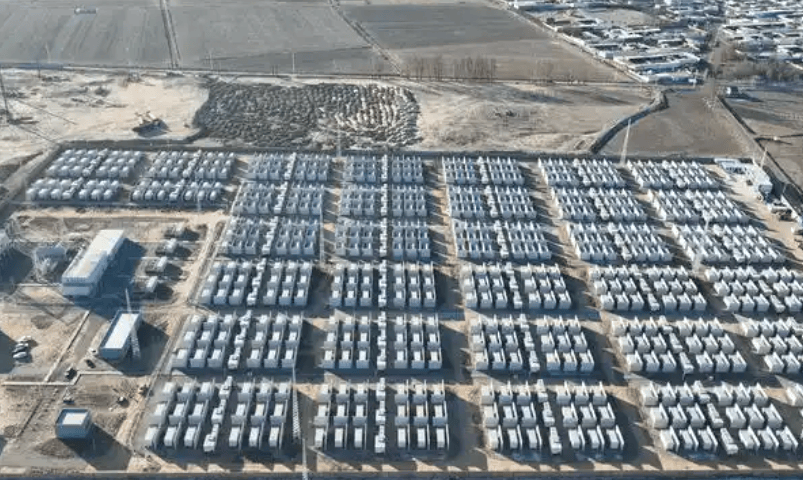
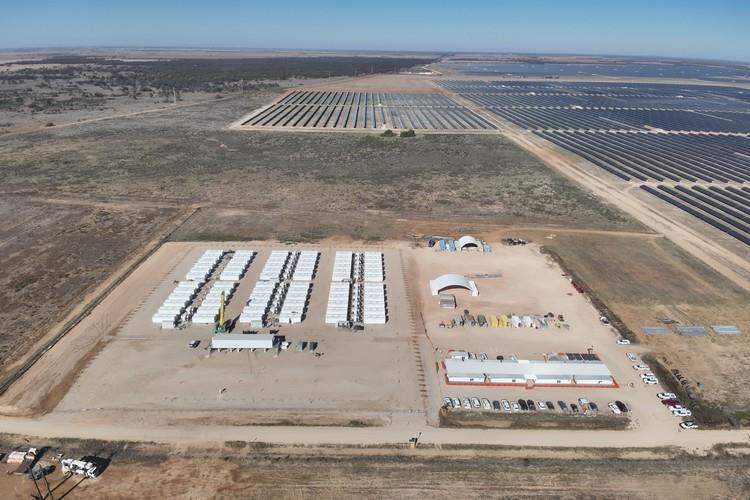
Globally, battery storage has become one of the fastest-growing power technologies. According to the IEA, 108 GW of new battery storage capacity was deployed worldwide in 2025, 40% more than in 2024, and total installed capacity is now eleven times higher than in 2021. More importantly, around 80% of new battery capacity came from utility-scale projects, showing that storage is rapidly moving toward grid-level applications.
China shows the same trend. According to official data, China’s installed capacity of new-type energy storage reached 73.76 GW by the end of 2024, up more than 130% year on year, with average storage duration rising to 2.3 hours. China has also set a target of more than 180 GW of new-type energy storage capacity by 2027, expected to drive about RMB 250 billion in direct project investment.
The future value of grid-side energy storage is not simply “storing electricity.” It lies in peak shaving, frequency regulation, backup capacity, capacity support, congestion relief, and system stability. For enterprises, opportunities will move beyond selling batteries to providing system integration, dispatch control, fire safety, operation and maintenance, and power market services. Competitive storage companies must understand grid operation, not just battery costs.