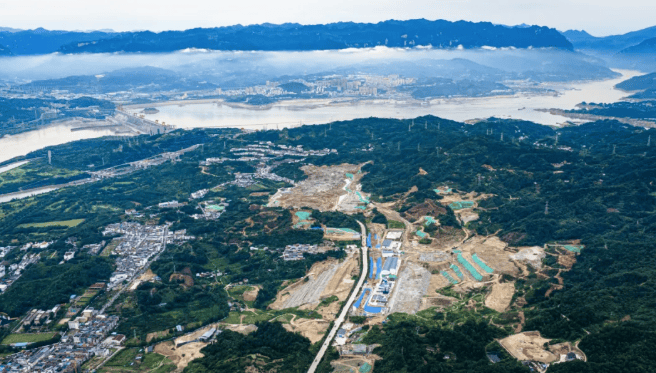
Where is source grid load storage integration most suitable for implementation? The answer is not a single factory or a single renewable power plant. It is the industrial park.
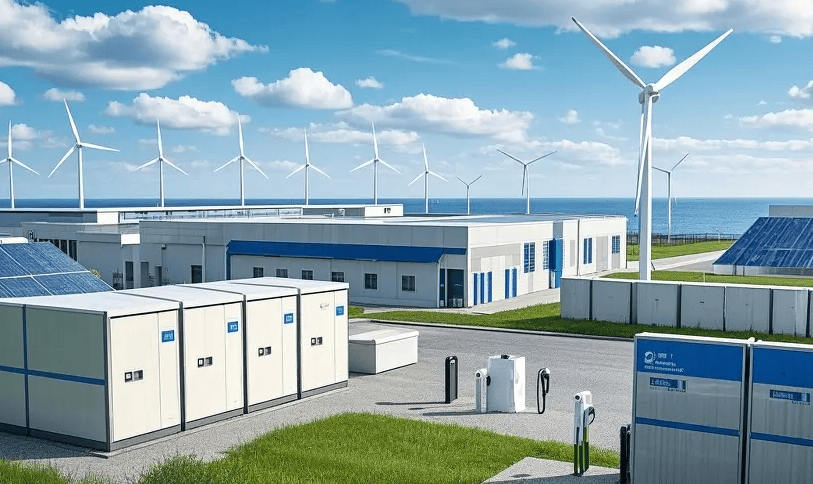
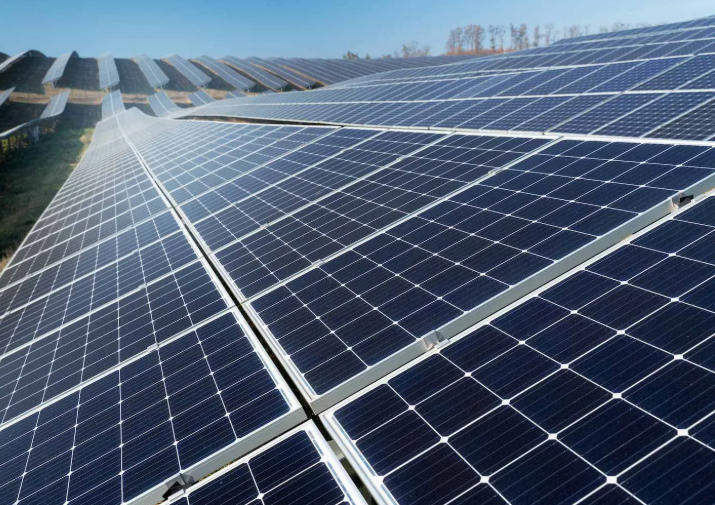
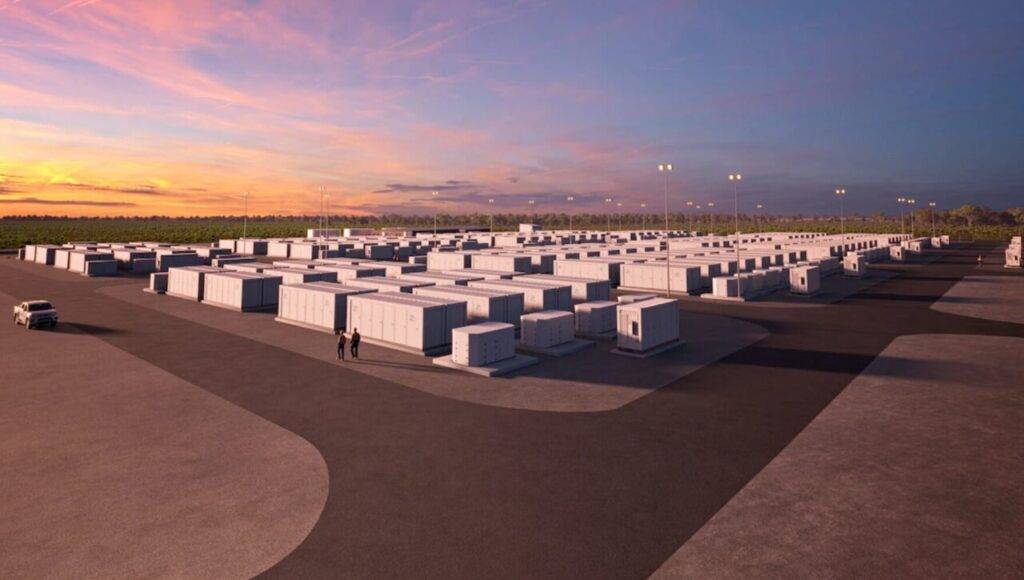
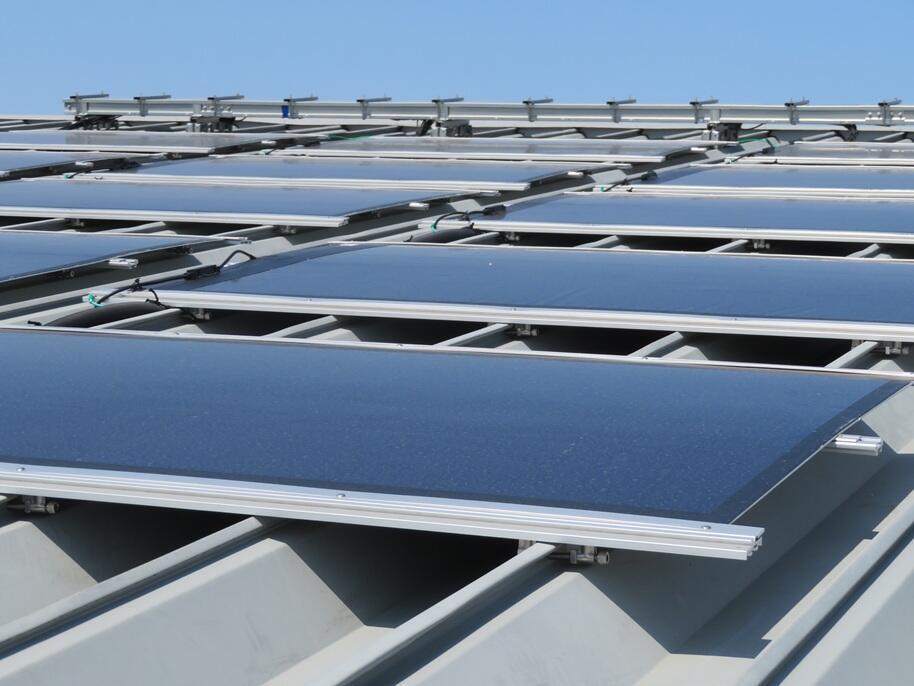
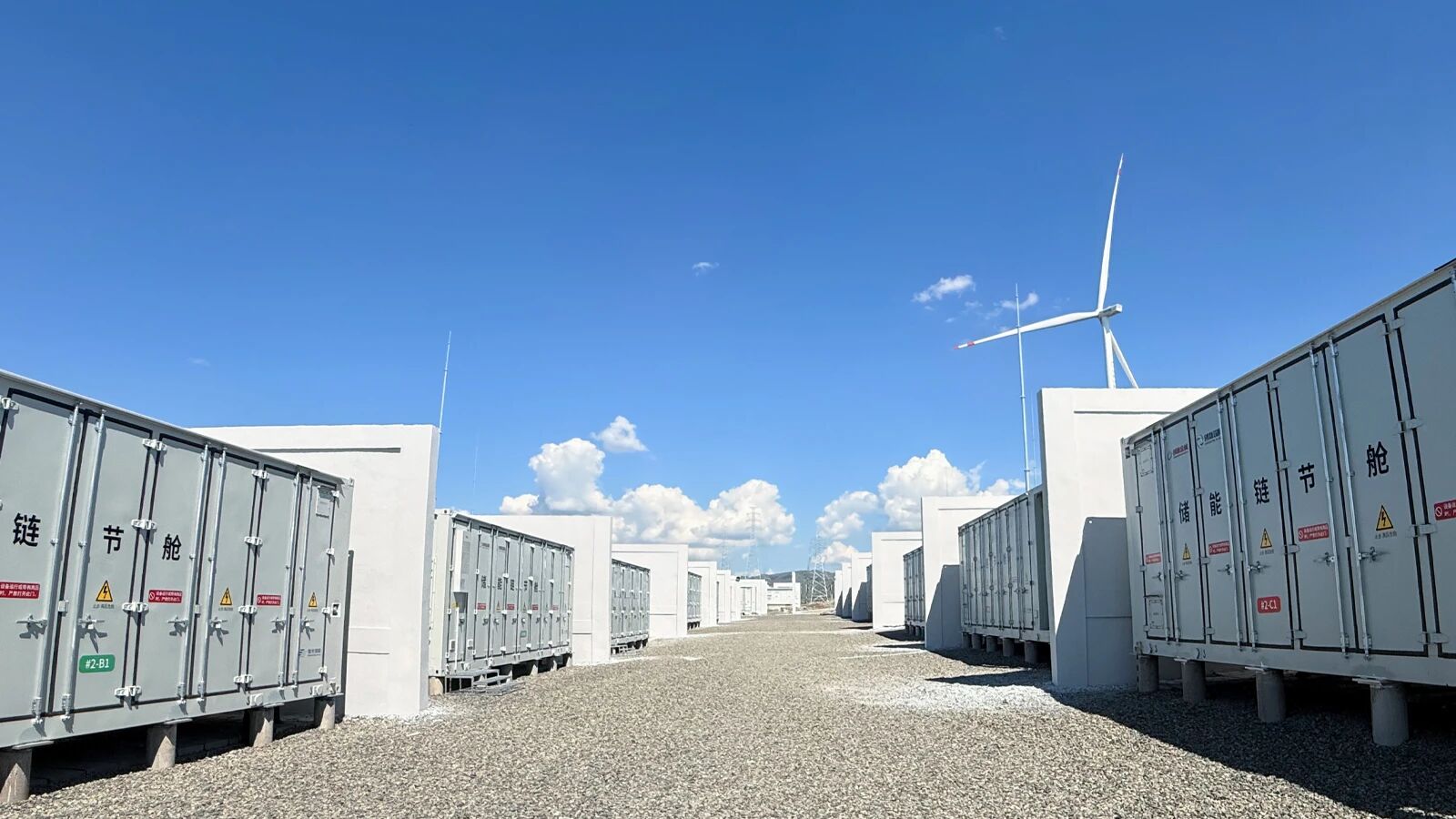
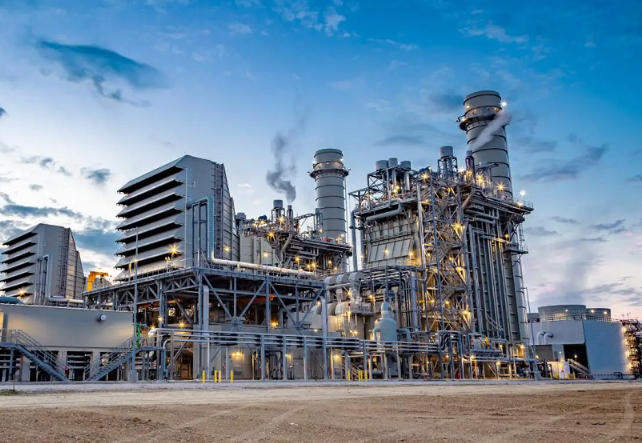
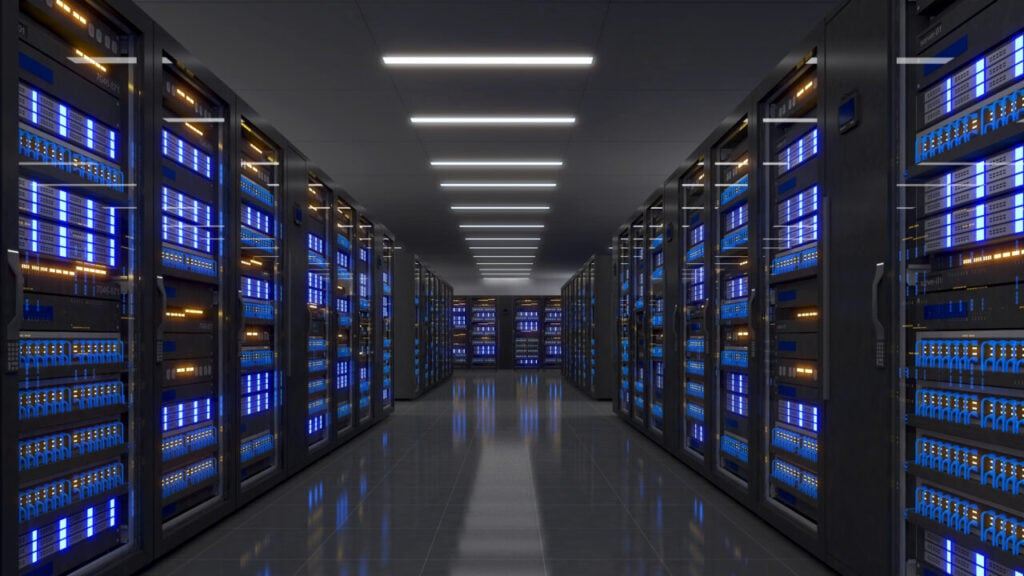
Industrial parks naturally contain multiple energy elements: rooftop photovoltaic systems, distributed wind and solar resources, enterprise loads, charging facilities, energy storage systems, public distribution networks and energy management platforms. Compared with a single company, an industrial park has larger load scale, more complex energy structures and greater potential to form a flexible resource pool. Therefore, industrial parks are a key scenario for turning source-grid-load-storage integration from concept into commercial reality.
The pain points of enterprises inside industrial parks are very specific. First, electricity price fluctuations create uncertainty in power costs. Second, new production lines or new tenants increase pressure on transformers and distribution capacity. Third, customers and overseas markets increasingly care about product carbon footprints, so enterprises need a higher share of green electricity. Fourth, if distributed photovoltaic power cannot be consumed locally, project returns and utilization efficiency will decline.
In 2025, the National Development and Reform Commission and the National Energy Administration issued a pricing mechanism document for local consumption of renewable electricity. It states that for projects where generation, load and storage are connected to the public grid as an integrated unit with clear physical and safety responsibility boundaries, the public grid should provide reliable supply services according to grid connection capacity. It also requires annual self-consumed renewable electricity to account for at least 60% of total available generation and sets requirements for the share of self-consumed electricity in total project consumption. This provides a clearer policy framework for park-level source-grid-load-storage projects.
The key to industrial park projects is not to let each company separately install photovoltaic systems and batteries. It is to build a unified energy dispatch platform. The platform must monitor photovoltaic output, enterprise loads, storage status, charging station demand, electricity price signals and grid constraints, and then decide when to use renewable power locally, when to charge or discharge storage, and when to participate in market trading or demand response.
The green industrial park of the future will not simply be a park with rooftop solar panels. It will be a park with coordinated source-grid-load-storage capability. Such a park can help enterprises reduce electricity costs, increase green power use, ease distribution capacity pressure and provide a clearer green energy management foundation for export-oriented manufacturers. For park operators, source-grid-load-storage integration will evolve from a supporting facility into a capability for investment attraction and integrated energy services.