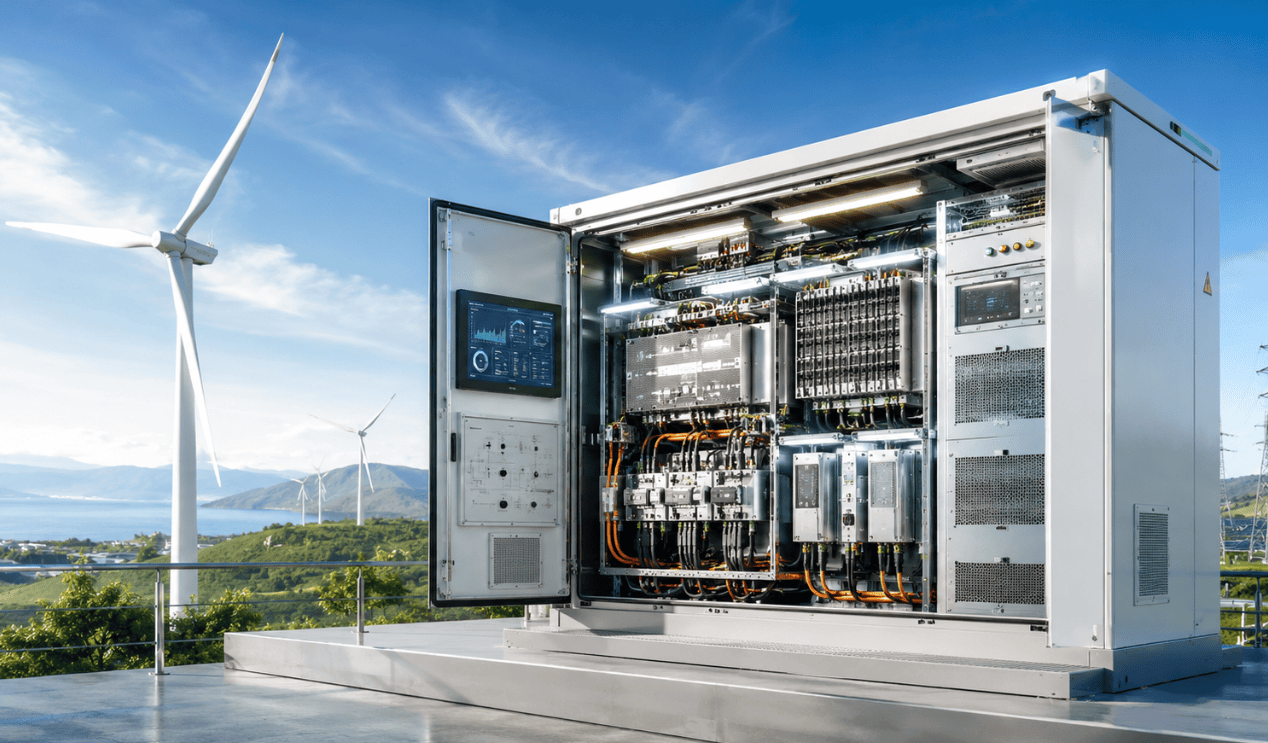
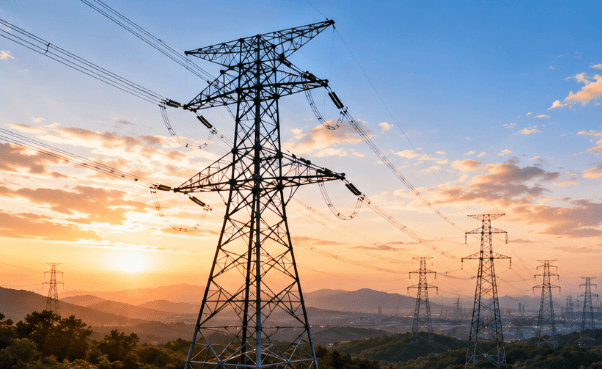
Grid-side energy storage should not be understood only as “charging at low prices and discharging at high prices.” Price arbitrage is only the most visible revenue source. In mature power markets, the real value of storage comes from stacked services, including energy shifting, ancillary services, capacity value, congestion management, black start, backup power, and deferral of grid investment.
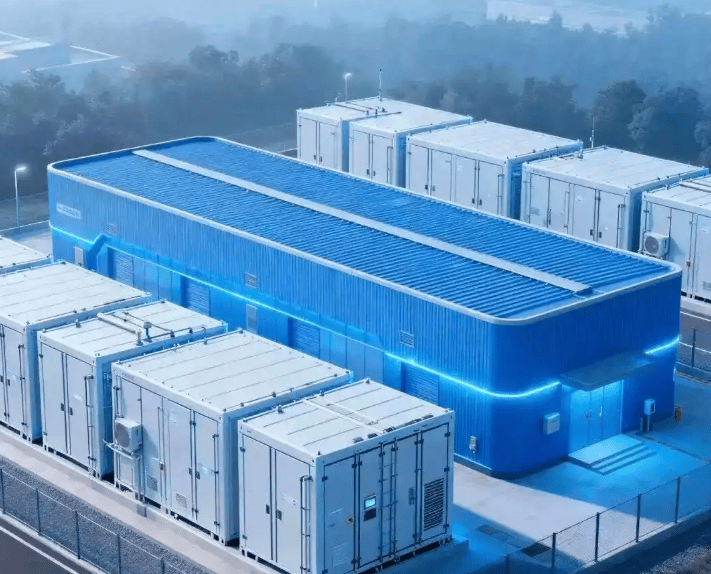
In its Electricity 2026 report, the IEA states that battery storage has become a versatile tool for providing short-term power system flexibility. It can support wind and solar integration, system balancing, capacity provision, and the shifting of renewable generation to high-demand periods. In 2024, global utility-scale battery storage additions reached around 63 GW, bringing total installed capacity to 124 GW. Project costs fell by about 40% in 2024 to around USD 150/kWh.
This means the financial model of storage projects is changing. A single arbitrage model is vulnerable to electricity price fluctuations, dispatch frequency, battery degradation, and market rule changes. A stacked-value model is more resilient. For example, one grid-side storage station can participate in frequency regulation, peak shaving, capacity compensation, and spot market trading at different times.
In the future, the competitiveness of storage stations will depend on three capabilities: accurate power market forecasting, safe and reliable system integration, and intelligent dispatch that extends battery life and improves availability. The business model of grid-side energy storage will not remain at “building stations and selling electricity.” It will evolve toward asset operation and system services.