China has become one of the fastest-growing energy storage markets in the world. But the next stage is no longer only about “how much capacity is installed.” The real question is whether storage assets are being used effectively. If storage stations have low utilization hours, unclear dispatch mechanisms, and limited revenue sources, large installed capacity alone will not create a sustainable business model.
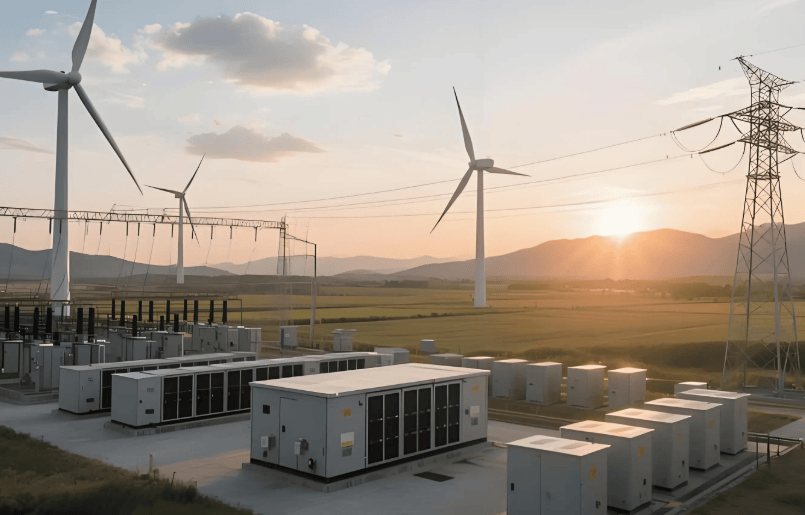
According to the National Energy Administration, China’s new-type energy storage capacity reached 73.76 GW by the end of 2024, with average storage duration at 2.3 hours, about 0.2 hours higher than at the end of 2023. Official data also indicate that new-type energy storage is supporting renewable energy integration, peak supply assurance, and stable power system operation.
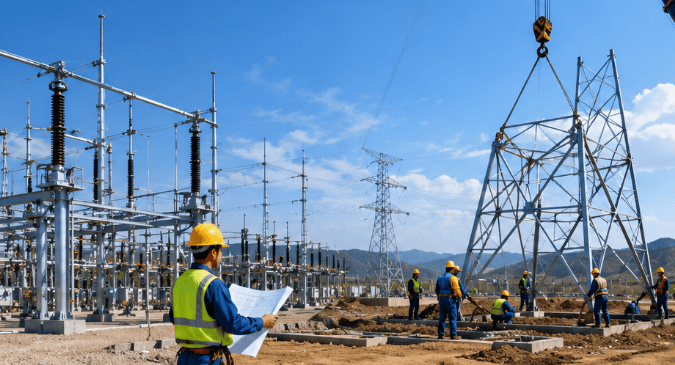
Policy has already clarified the direction of grid-side storage. In the Guiding Opinions on Accelerating the Development of New-type Energy Storage, China’s NDRC and NEA proposed deploying grid-side storage at key nodes to improve system flexibility and security after high shares of renewables and large-capacity HVDC connections. The policy also called for mechanisms such as capacity pricing, market trading, and ancillary services.
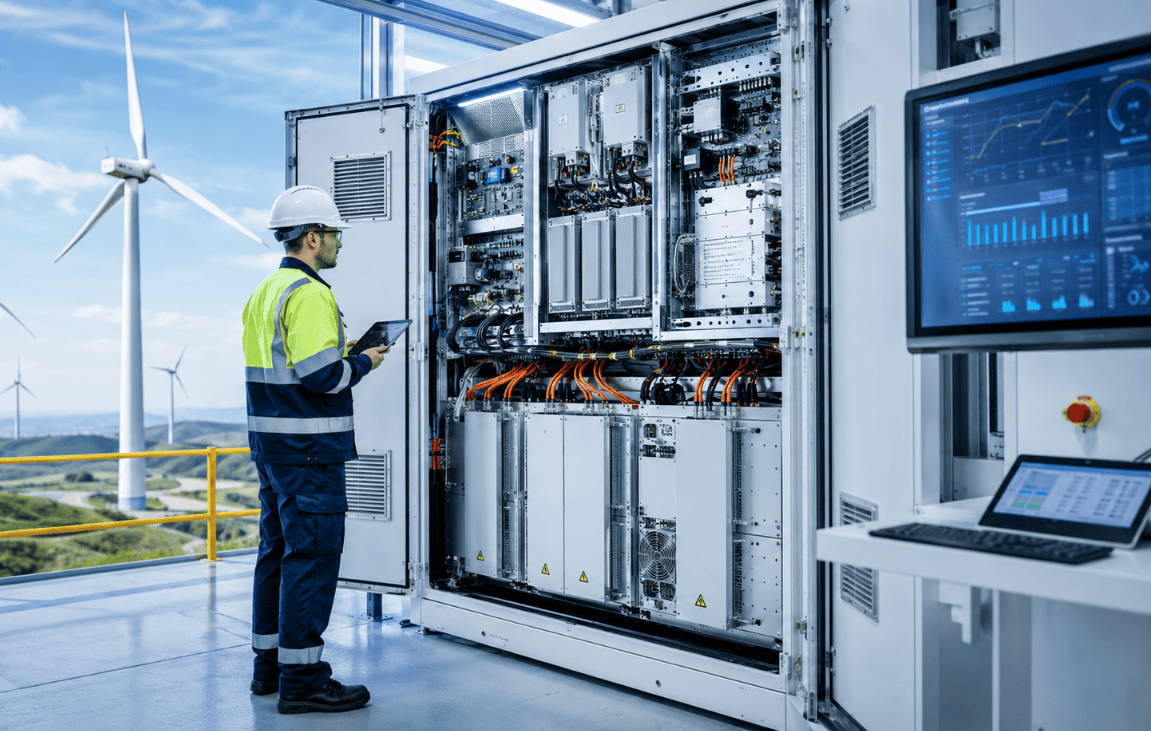
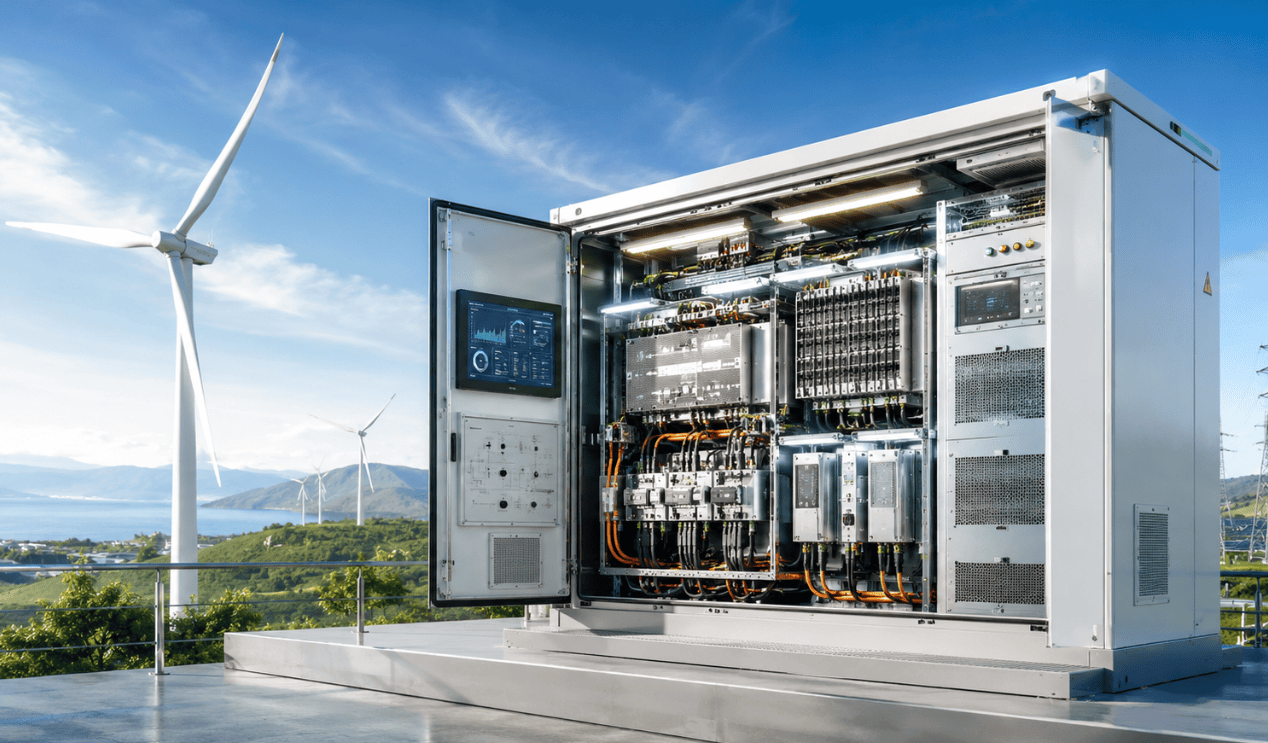
Therefore, China’s grid-side storage market will enter a stage of “value screening.” Projects built through low-level repetition and low-cost equipment competition will face revenue pressure. Projects with high safety standards, intelligent dispatch, full lifecycle O&M, and power market participation capabilities are more likely to become quality assets. For suppliers, opportunities are not limited to cells and PCS, but also include EMS, BMS, thermal management, fire protection, grid connection equipment, dispatch software, and O&M platforms.